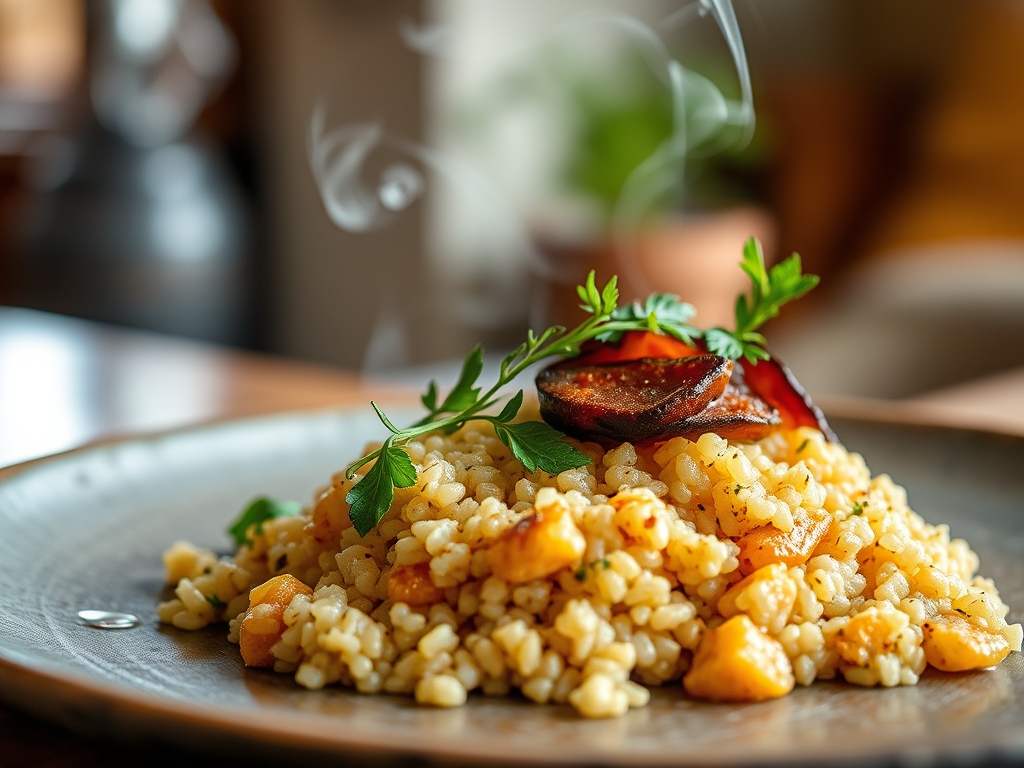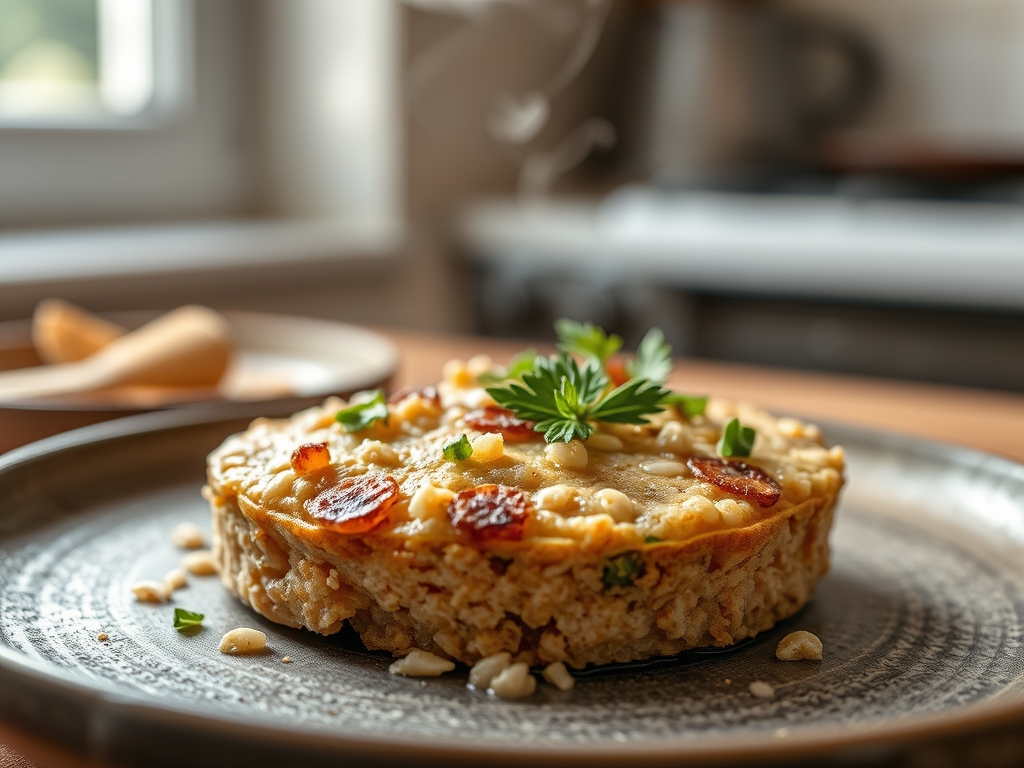
Imagine the kitchen as a high-stakes logistics hub where the cargo is flavor and the infrastructure is strictly molecular. We are not just tossing legumes into a pot; we are managing the Chickpea Protein Flow to ensure a perfect transition from dry, starchy pellets to a luxurious, silk-lined masterpiece. When the heat hits the pan, you are looking for that specific moment where the Maillard reaction begins to render the exterior of the grain into a golden, savory crust while the interior remains a creamy reservoir of plant-based power. The air fills with a viscous, nutty aroma that signals the breakdown of complex carbohydrates into simple, palatable sugars. This is the intersection of engineering and appetite. If your protein flow is interrupted by poor temperature control or improper hydration, the result is a catastrophic failure of texture. We are here to audit your process, optimize your starch-to-protein ratios, and ensure that every bite delivers a piquant punch of professional-grade nutrition. Strap in; we are about to overhaul your culinary architecture.
THE DATA MATRIX
| Metric | Specification |
|---|---|
| Prep Time | 15 Minutes |
| Execution Time | 45 Minutes |
| Yield | 4 Standard Units (Servings) |
| Complexity (1-10) | 6 |
| Estimated Cost per Serving | $1.85 USD |
THE GATHERS
Ingredient Protocol:
- Dry Garbanzo Beans: 450g / 2 cups (soaked for 12 hours)
- Filtered Water: 1.5L / 6 cups
- Extra Virgin Olive Oil: 60ml / 0.25 cups
- Yellow Onion (Finely Minced): 150g / 1 large unit
- Garlic Cloves (Crushed): 4 units
- Smoked Paprika: 5g / 1 tablespoon
- Cumin Seeds: 3g / 1 teaspoon
- Lemon Juice (Freshly Squeezed): 30ml / 2 tablespoons
- Sea Salt: 10g / 2 teaspoons
- Flat Leaf Parsley: 15g / 0.5 cups
Section A: Ingredient Quality Audit:
If your dried garbanzos have been sitting in the pantry since the previous administration, they will likely suffer from "hard-to-cook" syndrome. This is a cellular failure where the pectin in the cell walls becomes insoluble. To fix this, add a pinch of baking soda to the soaking water; this increases the pH and helps break down the hemicellulose. If your olive oil lacks that piquant throat-burn, it has likely oxidized. Replace it immediately with a high-polyphenol oil to ensure the Chickpea Protein Flow is properly lubricated and flavored.
THE MASTERCLASS
Step 1: The Hydration Phase
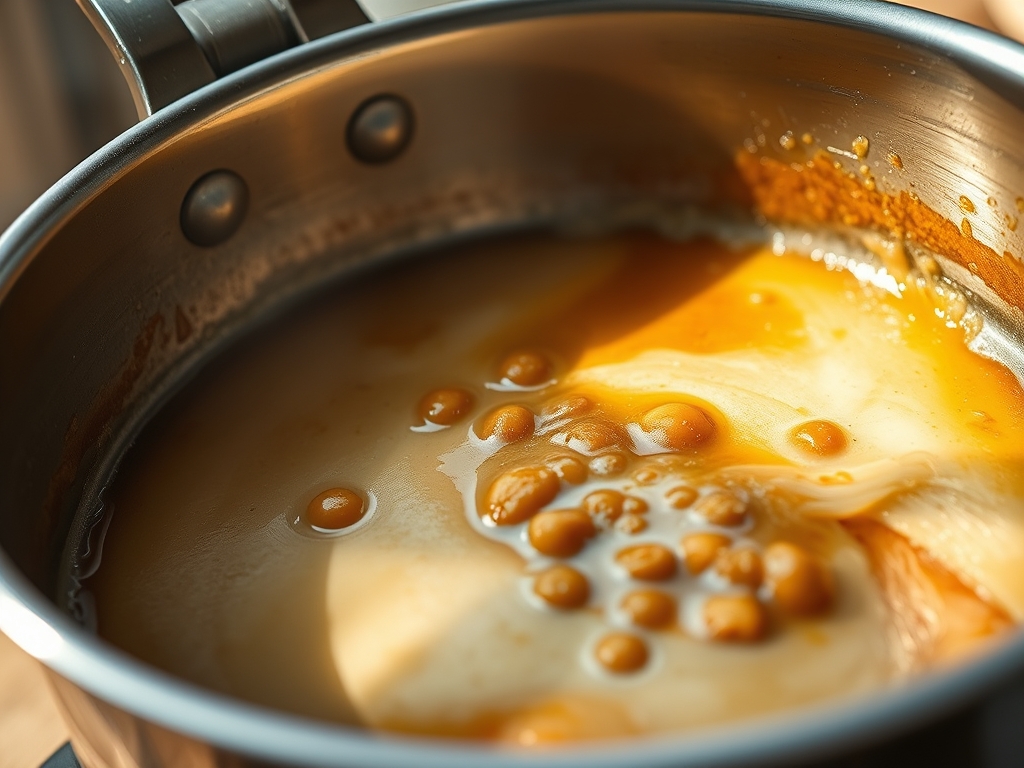
Drain your soaked chickpeas and weigh them on a digital scale to ensure they have absorbed at least 100 percent of their dry weight in water. Place them in a heavy-bottomed saucier and cover with fresh filtered water. Bring to a hard boil, then immediately drop to a whisper-quiet simmer.
Pro Tip: Use a digital scale to track hydration levels. The science here is simple: controlled hydration ensures that the starch granules swell uniformly, preventing a "chalky" interior while the exterior remains intact.
Step 2: The Aromatic Base
While the beans simmer, heat your olive oil in a separate skillet. Add the minced onions and garlic. Use a bench scraper to transfer your prep work cleanly from the board to the pan. Sauté until the onions are translucent and have begun to infuse the oil with their sulfuric sweetness.
Pro Tip: Do not let the garlic brown too quickly. You want to render the moisture out of the aromatics slowly to create a flavor base that supports the heavy protein profile of the chickpeas without overpowering it.
Step 3: Spice Integration and Toasting
Add the cumin seeds and smoked paprika to the oil. This is a process of fat-soluble flavor extraction. The heat will aerate the volatile oils within the spices, creating a more complex olfactory experience.
Pro Tip: Toasting spices in fat rather than water-based liquid allows for temperatures exceeding 100 degrees Celsius. This triggers the development of new flavor compounds that are impossible to achieve in a boiling liquid.
Step 4: The Emulsification Merger
Once the chickpeas are tender, reserve 120ml of the cooking liquid (aquafaba). Drain the rest and add the chickpeas to the aromatic skillet. Pour in the reserved liquid and use a wooden spoon to vigorously stir, creating a natural emulsion between the starch-heavy water and the flavored oil.
Pro Tip: This is the critical moment for the Chickpea Protein Flow. The agitation releases a small amount of surface starch, which acts as a bridge between the water and oil, resulting in a creamy, velvety sauce without the need for dairy.
Step 5: Acid Calibration and Finishing
Remove the pan from the heat and stir in the lemon juice and fresh parsley. The acid will deglaze any remaining brown bits from the pan and brighten the entire flavor profile, cutting through the dense protein structure.
Pro Tip: Always add acid at the very end. Adding it too early can toughen the skins of the legumes, as the low pH reinforces the pectin bonds in the cell walls, stalling the softening process.
Section B: Prep & Timing Fault-Lines:
The most common failure in this infrastructure is the "thermal crash." This happens when cold ingredients are added to a hot pan, dropping the temperature and turning a sear into a steam. Ensure all aromatics are at room temperature. If your chickpeas are still crunchy after the allotted time, your water may be too "hard" (high in calcium). Use filtered water to ensure the mineral content doesn't interfere with the softening of the legumes.
THE VISUAL SPECTRUM
Section C: Thermal & Visual Troubleshooting:
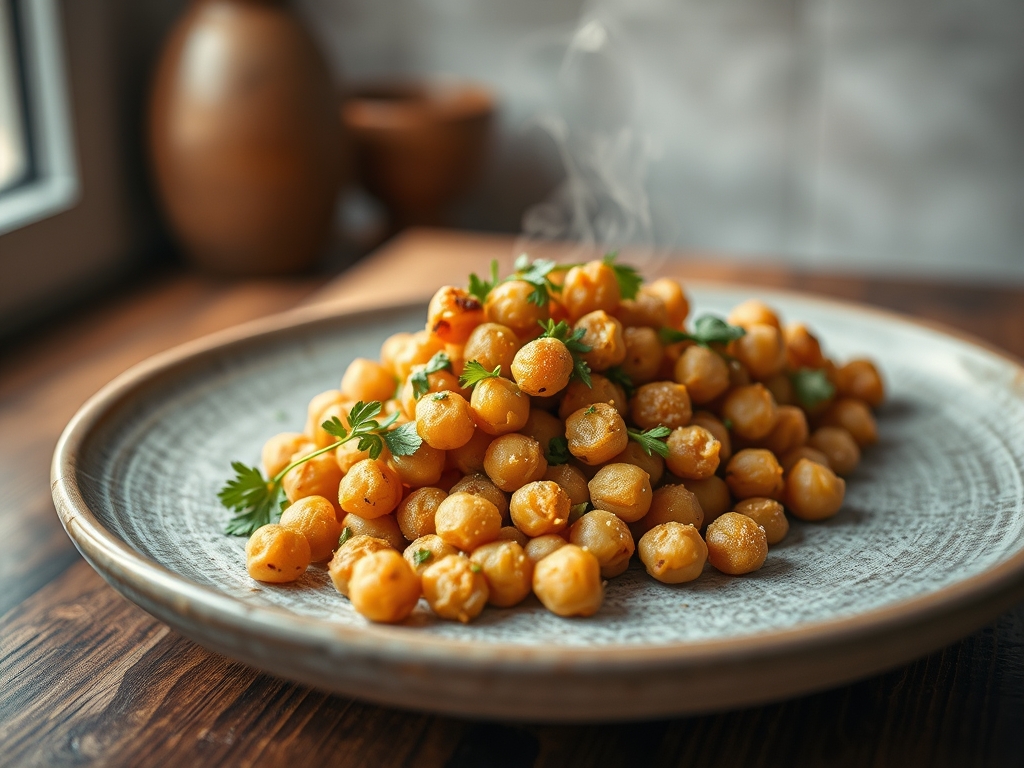
Referencing the Masterclass photo, your final product should exhibit a vibrant, sunset-orange hue from the paprika-infused oil. If the dish looks dull or grey, your spices are likely stale or you neglected the final hit of lemon juice. If the chickpeas are bursting and the liquid is cloudy, you have over-agitated the starch; reduce the heat and stir more gently next time. The "look" of success is a distinct separation between the whole, glistening grains and the thick, clinging sauce that coats them like a tailored suit.
THE DEEP DIVE
Macro Nutrition Profile:
Each serving of this optimized infrastructure provides approximately 18g of protein, 12g of dietary fiber, and 35g of complex carbohydrates. It is a high-density fuel source designed for sustained energy release rather than a quick glucose spike. The inclusion of healthy fats from the olive oil aids in the absorption of fat-soluble vitamins like Vitamin K found in the parsley.
Dietary Swaps:
- Vegan: Already compliant. This is the gold standard for plant-based protein logistics.
- Keto: Chickpeas are starch-heavy. To lower the carb count, replace 50 percent of the chickpeas with roasted cauliflower florets, though this will alter the Chickpea Protein Flow dynamics.
- GF: Naturally gluten-free. Ensure your spices are certified to avoid cross-contamination.
Meal Prep & Reheating Science:
To maintain molecular structure during reheating, avoid the microwave. The uneven radiation can create "hot spots" that toughen the protein. Instead, reheat in a small saucepan over low heat, adding a tablespoon of water to re-emulsify the sauce. This prevents the starch from seizing and keeps the texture supple.
THE KITCHEN TABLE
Why are my chickpeas still hard after two hours?
Your water likely has high mineral content or your beans are ancient. Use filtered water and a pinch of baking soda to bypass the pectin defense and achieve a creamy interior.
Can I use canned chickpeas for this protocol?
Yes, but you must sacrifice some structural integrity. Rinse them thoroughly to remove excess sodium and reduce the simmering time by 70 percent to prevent them from turning into a disorganized mash.
What is the "Chickpea Protein Flow" exactly?
It is the technical term for the movement of proteins and starches from the legume into the cooking liquid, creating a self-thickening sauce that binds the dish together without external thickeners.
How do I get that deep red color?
The color is a result of blooming high-quality smoked paprika in fat. If you add it to the water, it will look muddy. Fat-blooming preserves the pigment and the smoky flavor.