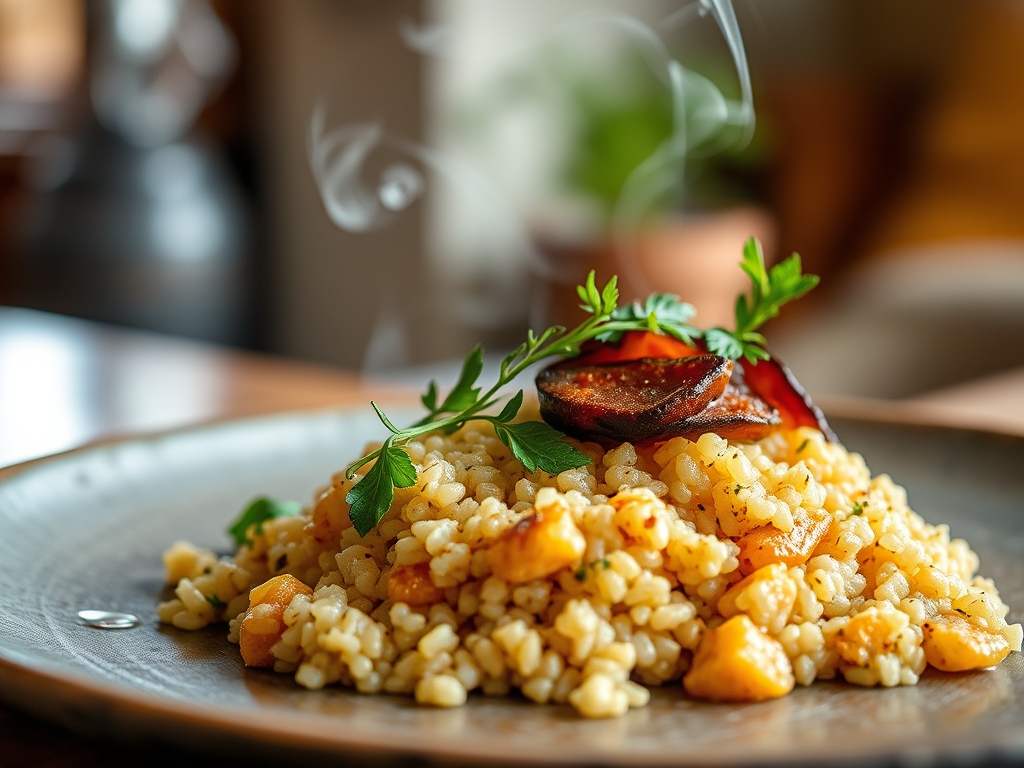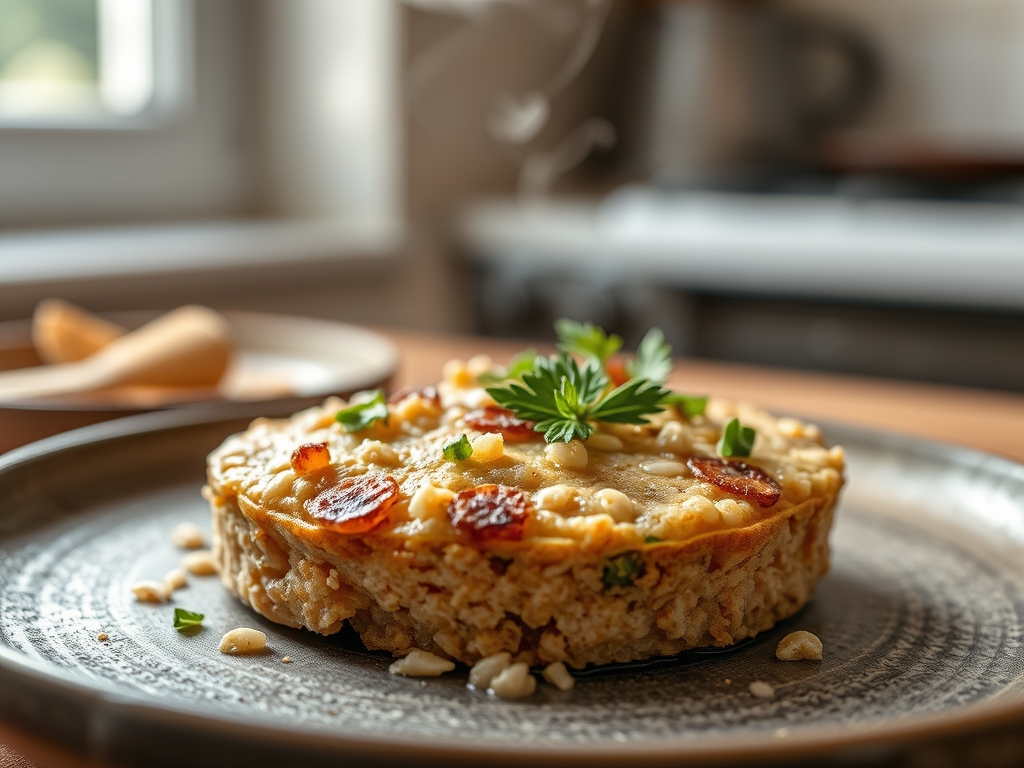
Stop settling for the soggy, sulfurous disappointment of amateur vegetable prep. You are here because you understand that the transition from starch-heavy grains to cruciferous alternatives is not a sacrifice; it is a technical optimization of your metabolic engine. We are dismantling the myth that healthy eating requires the texture of wet cardboard. Enter Cauliflower Rice Logic. This is the rigorous application of heat, moisture control, and surface area maximization to transform a humble Brassica oleracea into a fluffy, savory vehicle for flavor. We are not just chopping vegetables; we are engineering a low-calorie substrate that mimics the mouthfeel of short-grain rice while slashing the caloric payload by eighty percent. Imagine the sizzle as the moisture evaporates, the Maillard reaction kicking in to provide that nutty, toasted aroma, and the perfect al dente bite that holds up under a heavy sauce. This audit provides the blueprints for structural integrity. We are moving beyond the "diet food" stigma and into the realm of high-performance culinary architecture. Prepare to recalibrate your kitchen.
THE DATA MATRIX
| Metric | Specification |
|---|---|
| Prep Time | 12 Minutes |
| Execution Time | 8 Minutes |
| Yield | 4 Servings |
| Complexity (1-10) | 3 |
| Estimated Cost per Serving | $1.15 |
THE GATHERS
Ingredient Protocol:
- 1 Large Head Cauliflower (approx. 800g / 1.75 lbs)
- 30ml / 2 tbsp Extra Virgin Olive Oil or Ghee
- 5g / 1 tsp Diamond Crystal Kosher Salt
- 2g / 0.5 tsp Freshly Cracked Black Pepper
- 15ml / 1 tbsp Fresh Lime Juice (for enzymatic brightness)
- 10g / 0.25 cup Fresh Cilantro, finely minced
Section A: Ingredient Quality Audit:
The primary failure point in Cauliflower Rice Logic is the selection of aging, oxidized produce. If your cauliflower exhibits "brown freckling," you are dealing with cellular breakdown. Technical fix: Use a microplane or bench scraper to shave off the oxidation before processing. If the head feels light or hollow, it has dehydrated; soak the florets in ice water for ten minutes to re-hyndrate the cell walls before ricing. Avoid pre-bagged "crumbles" whenever possible. These are often processed with high-speed blades that bruise the tissue, leading to premature leaching of water and a "mushy" final product. Always opt for whole, dense heads with tightly packed curds to ensure a clean mechanical fracture during the ricing phase.
THE MASTERCLASS
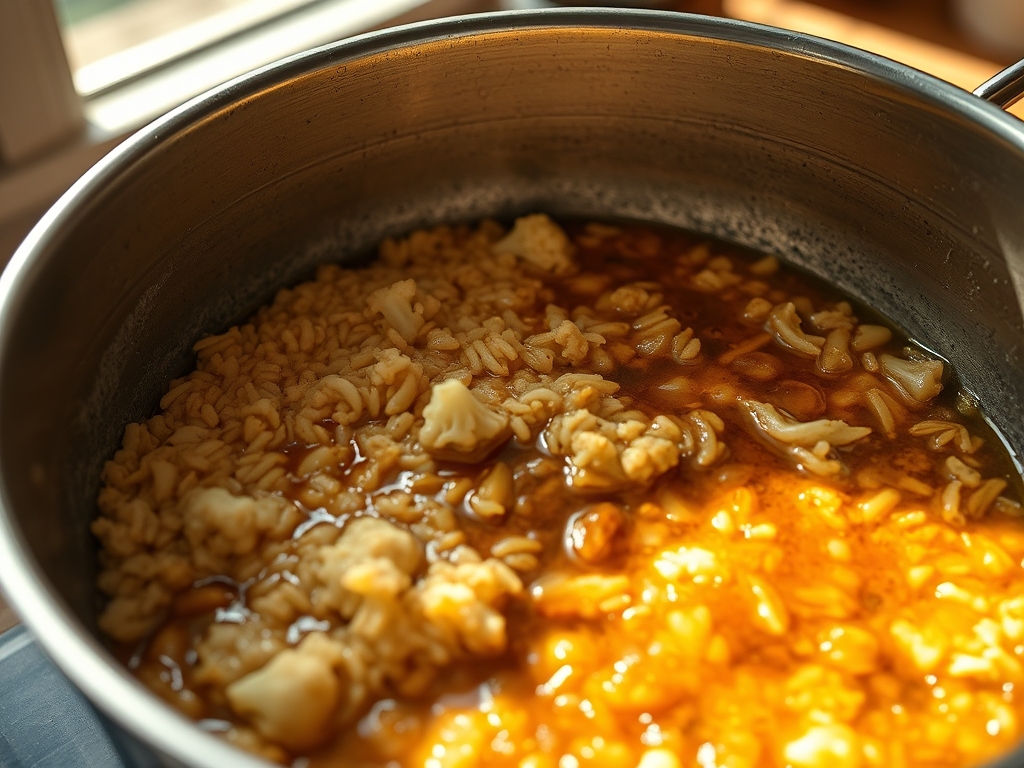
Step-by-Step Execution:
1. Mechanical Reduction
Break the head into manageable florets. Use a food processor equipped with the grater attachment rather than the "S" blade. Pulse in short bursts until you achieve uniform 2mm to 3mm granules. Pro Tip: Using a digital scale to ensure uniform batch sizes prevents the bottom layer from turning into a puree while the top remains intact. The goal is geometric consistency to ensure simultaneous thermal transition.
2. Moisture Extraction
Spread the raw granules onto a clean lint-free towel. Roll it up and wring it with maximum torque. You must render the internal cellular water out before it hits the pan. Pro Tip: This step is non-negotiable for achieving a "grain-like" texture. Removing excess moisture prevents the cauliflower from steaming in its own juices, which is the primary cause of the dreaded "sulfur funk."
3. High-Velocity Thermal Application
Heat a wide saucier or cast-iron skillet over medium-high heat. Add your lipid of choice. Once the oil begins to shimmer (indicating low viscous resistance), add the cauliflower in a single, even layer. Do not overcrowd the vessel. Pro Tip: A wide surface area allows for rapid evaporation. Use a bench scraper to move the grains efficiently, ensuring every granule makes contact with the hot surface to trigger the Maillard reaction.
4. Aeration and Infusion
Sauté for exactly five to seven minutes. Do not cover the pan. At the four-minute mark, add your salt and pepper. Just before pulling from the heat, add the lime juice to infuse the grains with acidity. Pro Tip: Adding salt too early draws out moisture via osmosis, leading to a soggy result. Seasoning at the end preserves the structural "snap" of the vegetable.
Section B: Prep & Timing Fault-Lines:
The most common human error is the "Slow Heat Crawl." Starting with a cold pan causes the cauliflower to absorb oil like a sponge before it can sear, resulting in a greasy, heavy mouthfeel. Use an infrared thermometer to ensure the pan surface is at least 375 degrees Fahrenheit. Another fault-line is the "Over-Process." If you run the food processor too long, you create "snow" rather than "rice." This destroys the fiber network and results in a paste. Watch the clock and the texture; stop the moment the largest chunks disappear.
THE VISUAL SPECTRUM
Section C: Thermal & Visual Troubleshooting:
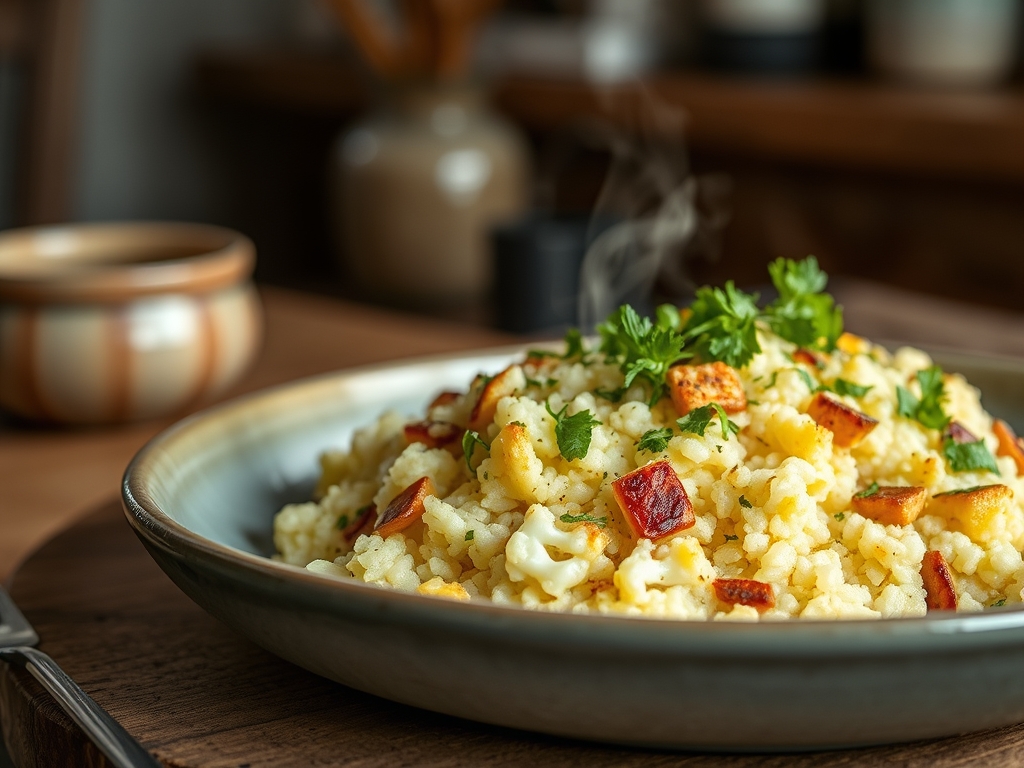
Referencing the Masterclass photo above, look for the "Golden Singe." If your rice is stark white, you have failed to develop flavor through browning. If it is grey, you have steamed it. The ideal visual cue is a vibrant, creamy white base with sporadic flecks of toasted amber. If you notice uneven browning, it means your knife work or pulsing was inconsistent. If the color looks dull, a splash of acid (lime or lemon) will brighten the pigments. To fix a "wet" look, increase the heat and aerate the grains by tossing them vigorously with a spatula to encourage steam escape.
THE DEEP DIVE
Macro Nutrition Profile:
Per serving (approx. 150g cooked): 65 Calories, 4g Fat, 5g Net Carbs, 3g Protein. This represents a 90% reduction in carbohydrates compared to traditional white rice. The high fiber content (3g) ensures a low glycemic response, making it an elite tool for insulin management.
Dietary Swaps:
- Vegan: Use avocado oil or coconut oil instead of ghee.
- Keto: Increase the lipid ratio by adding a tablespoon of grass-fed butter during the final minute of cooking.
- GF: Naturally gluten-free, but ensure your spices are not bulked with flour-based anti-caking agents.
Meal Prep & Reheating Science:
To maintain molecular structure during storage, undercook the cauliflower by sixty seconds. Spread it on a baking sheet to cool rapidly before refrigerating. When reheating, avoid the microwave; it excites water molecules and causes sogginess. Instead, flash-fry in a hot skillet for two minutes to deglaze any residual moisture and restore the al dente texture.
THE KITCHEN TABLE
Why does my cauliflower rice smell like sulfur?
Sulfur compounds (isothiocyanates) are released when cauliflower is overcooked or steamed. To prevent this, use high heat, short cooking times, and never cover the pan with a lid, which traps the volatile gases.
Can I use a box grater instead of a processor?
Absolutely. Use the large holes of a box grater for a more "rustic" and varied texture. This method often produces less "dust" than a food processor, leading to a superior, fluffier mouthfeel in the final audit.
How do I stop the rice from being soggy?
The "Towel Wring" is your primary defense. If you skip the manual moisture extraction, the water trapped inside the cells will leak out during cooking, turning your sauté into a braise. Dry grains are the key to success.
What is the best way to add flavor?
Treat it like a blank canvas. Infuse the oil with garlic or ginger before adding the rice. For a Mediterranean profile, toss with toasted pine nuts and lemon zest. The logic remains the same: flavor follows texture.