
Forget everything you think you know about grains because we are dealing with a botanical imposter of the highest order. Buckwheat is not a cereal; it is a fruit seed related to rhubarb that brings a heavy hitting nutritional profile to the table. When we talk about the Buckwheat Nutrient Load, we are discussing a dense concentration of manganese, magnesium, and phosphorus packed into a triangular husk that demands respect. Raw buckwheat is a pale, green, unassuming pebble. However, when subjected to the thermal kinetic energy of a hot pan, it undergoes a radical transformation. The Maillard reaction triggers a cascade of nutty, toasted aromas that fill the room with an earthy intensity. We are not just cooking dinner; we are auditing the molecular potential of a pseudo cereal. This is about structural integrity and flavor extraction. We want every kernel to remain distinct, firm, and bursting with mineral complexity. If you are looking for mushy porridge, look elsewhere. Today, we execute precision roasting to unlock the full power of the kasha.
THE DATA MATRIX
| Metric | Specification |
|---|---|
| Prep Time | 5 Minutes |
| Execution Time | 20 Minutes |
| Yield | 4 Servings |
| Complexity (1-10) | 4 |
| Estimated Cost per Serving | $0.85 |
THE GATHERS
Ingredient Protocol:
- 200g / 1 cup Raw Green Buckwheat Groats
- 1 Large Egg (for protein-binding encapsulation)
- 480ml / 2 cups Filtered Water or Bone Broth
- 30g / 2 tbsp Unsalted Grass-Fed Butter
- 5g / 1 tsp Fine Sea Salt
- 2g / 0.5 tsp Cracked Black Pepper
- 15ml / 1 tbsp Cold-Pressed Olive Oil
Section A: Ingredient Quality Audit:
The primary failure point in this protocol is the use of pre-roasted "Kasha" from a dusty supermarket shelf. These groats are often over-oxidized and lack the vibrant Buckwheat Nutrient Load found in fresh, green groats. If your buckwheat smells like old cardboard, it is past its prime. To fix sub-par, dusty groats, perform a high-velocity rinse in a fine-mesh sieve until the water runs clear. This removes excess surface starch that causes unwanted clumping. If your butter lacks a high fat content, the lipids will not sufficiently coat the kernels, leading to a dull finish. Always opt for European-style butter with at least 82 percent butterfat to ensure a luxurious mouthfeel and superior browning.
THE MASTERCLASS

1. The Protein Encapsulation Phase
Place your raw groats into a stainless steel mixing bowl. Whisk the egg thoroughly and pour it over the seeds. Use a silicone spatula to ensure every single kernel is coated in a thin film of albumen. This creates a protective barrier that prevents the starch from leaching out during the hydration phase.
Pro Tip: Use a digital scale to measure your buckwheat. Volumetric measurements are notoriously inaccurate due to the irregular shape of the groats. Precision measurement ensures the water-to-grain ratio is perfect for a fluffy result.
2. The Thermal Toasting Audit
Heat a heavy-bottomed saucier over medium heat. Add the egg-coated groats to the dry pan. Stir constantly with a wooden spoon or heat-resistant spatula. You are looking for the egg to dry out and the kernels to separate into individual, toasted units. The aroma should shift from grassy to intensely nutty.
Pro Tip: The Maillard reaction is your goal here. By toasting the groats, you are creating new flavor compounds that do not exist in the raw state. This step is essential for maximizing the sensory impact of the Buckwheat Nutrient Load.
3. The Hydration and Infusion Cycle
Once the groats are toasted and separate, pour in your boiling liquid and add the salt. The reaction will be violent; expect a cloud of steam. Immediately reduce the heat to a low simmer and cover the pot with a tight-fitting lid to trap the moisture.
Pro Tip: Use a heavy-bottomed pot to ensure even heat distribution. Thin pans create hot spots that will scorch the bottom of your buckwheat while the top remains undercooked. Consistency is the hallmark of a professional kitchen.
4. The Resting and Aeration Protocol
After 12 to 15 minutes, the liquid should be fully absorbed. Remove the pot from the heat but do not open the lid. Let it sit for 5 minutes. Finally, remove the lid and use a fork or a bench scraper to gently fluff the grains, breaking up any small clusters without mashing the kernels.
Pro Tip: Resting allows the residual steam to redistribute through the grain bed. This ensures the center of every groat is fully hydrated without the exterior becoming viscous or slimy.
Section B: Prep & Timing Fault-Lines:
The most common human error is the "Curiosity Gap," which is the urge to lift the lid during the simmering phase. Every time you lift the lid, you lose critical thermal energy and steam pressure. This results in unevenly cooked grains. If you find the water has evaporated but the grains are still crunchy, add 30ml of boiling water and seal the lid immediately. Temperature control is also vital; if the simmer is too aggressive, the outer layer of the buckwheat will disintegrate before the core is tender. Keep the heat at the lowest possible setting.
THE VISUAL SPECTRUM
Section C: Thermal & Visual Troubleshooting:
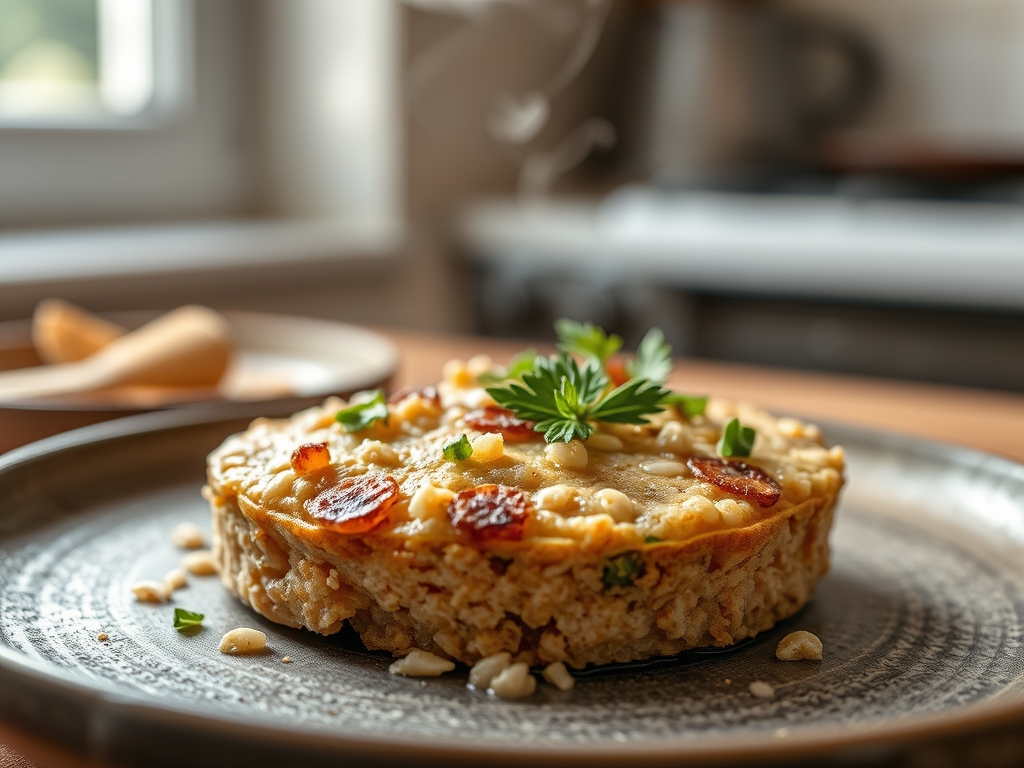
Referencing the Masterclass photo, your final product should exhibit a deep, golden-bronze hue. If your buckwheat looks pale or grey, you failed to achieve sufficient caramelization during the toasting phase. If the kernels appear fused together in a solid mass, the egg coating was either insufficient or you stirred the pot during the simmering phase. Never stir the buckwheat once the water is added. The visual cues of success are individual, distinct kernels that "pop" when pressed between the tongue and the roof of the mouth. If you see a "dull" finish, toss in a small knob of cold butter at the very end to infuse the dish with a glossy, professional sheen.
THE DEEP DIVE
The Buckwheat Nutrient Load is a powerhouse of slow-release carbohydrates and high-quality plant protein. It contains all nine essential amino acids, making it a complete protein source that is naturally gluten-free. From a macro perspective, a single serving provides a significant portion of your daily fiber needs, which aids in metabolic regulation.
Dietary Swaps:
- Vegan: Replace the egg with 15ml of flax-meal slurry and use avocado oil instead of butter.
- Keto: While buckwheat is a pseudo-cereal, its high fiber content means lower net carbs; however, it should be consumed in moderation.
- GF: Naturally gluten-free, but ensure your source is certified to avoid cross-contamination.
Meal Prep & Reheating Science:
To maintain the molecular structure when reheating, avoid the microwave if possible. The microwave agitates water molecules unevenly, often leading to "rubberized" grains. Instead, reheat in a pan with a splash of water or broth over medium heat. This re-hydrates the starch granules without destroying the toasted exterior.
THE KITCHEN TABLE
Why is my buckwheat bitter?
Bitterness usually stems from tannins in the hull. A thorough pre-rinse in cold water can mitigate this. Also, ensure you do not burn the groats during the dry-toasting phase; carbonization tastes like failure.
Can I skip the egg?
You can, but the texture will suffer. The egg acts as a structural sealant. Without it, the Buckwheat Nutrient Load becomes a mushy porridge rather than distinct, elegant kernels.
What liquid is best for cooking?
While water works, a high-quality bone broth will infuse the grains with collagen and deep umami notes. This elevates the dish from a simple side to a complex, nutrient-dense foundation.
How do I store leftovers?
Store in an airtight glass container for up to five days. The low moisture content of roasted buckwheat makes it highly resistant to premature spoilage compared to wetter grains like white rice.