Forget everything you know about the humble porridge bowl. We are not just cooking breakfast; we are auditing a structural masterpiece of soluble fiber. When you drop pearled barley into a simmering liquid, you are initiating a high stakes chemical deployment of Barley Beta Glucans. These long chain polysaccharides are the architects of texture. They do not just sit there. They hydrate, they swell, and they create a viscous, velvet mouthfeel that puts quick oats to shame. This is culinary infrastructure at its finest. We are looking for that perfect point of gelatinization where the grain maintains a resilient, al dente core while shedding enough starch to create a self thickening sauce. It is a balancing act of thermal energy and hydration. If you get it right, you have a nutrient dense powerhouse that stabilizes blood sugar and satiates the soul. If you get it wrong, you have a pot of wallpaper paste. We choose the former. Prepare your station for a deep dive into the molecular mechanics of the world's most underrated ancient grain.
THE DATA MATRIX
| Metric | Specification |
|---|---|
| Prep Time | 10 Minutes |
| Execution Time | 45 Minutes |
| Yield | 4 Servings |
| Complexity (1-10) | 4 |
| Estimated Cost per Serving | $1.25 |
THE GATHERS
Ingredient Protocol:
- 200g / 1 cup Pearled Barley (Triple rinsed)
- 750ml / 3 cups Filtered Water or Bone Broth
- 30ml / 2 tbsp Extra Virgin Olive Oil or Grass Fed Butter
- 5g / 1 tsp Sea Salt (Fine grain)
- 2g / 1/2 tsp Cracked Black Pepper
- 15ml / 1 tbsp Fresh Lemon Juice
- 50g / 1/2 cup Grated Parmigiano Reggiano
- 10g / 2 tbsp Fresh Flat Leaf Parsley (Chiffonade)
Section A: Ingredient Quality Audit:
The primary failure point in barley infrastructure is age. Old grains undergo enzymatic degradation, resulting in a "dusty" flavor profile that no amount of salt can fix. If your barley smells like a cardboard box, discard it. Another common issue is inconsistent pearling. If the bran is not uniformly removed, your hydration rates will vary, leading to a mix of mushy and rock hard grains. To fix this, perform a visual inspection. If the grains vary wildly in color, increase your simmering time by 10% and use a saucier with a heavy bottom to ensure even heat distribution.
THE MASTERCLASS
1. The Desiccation and Toasting Phase
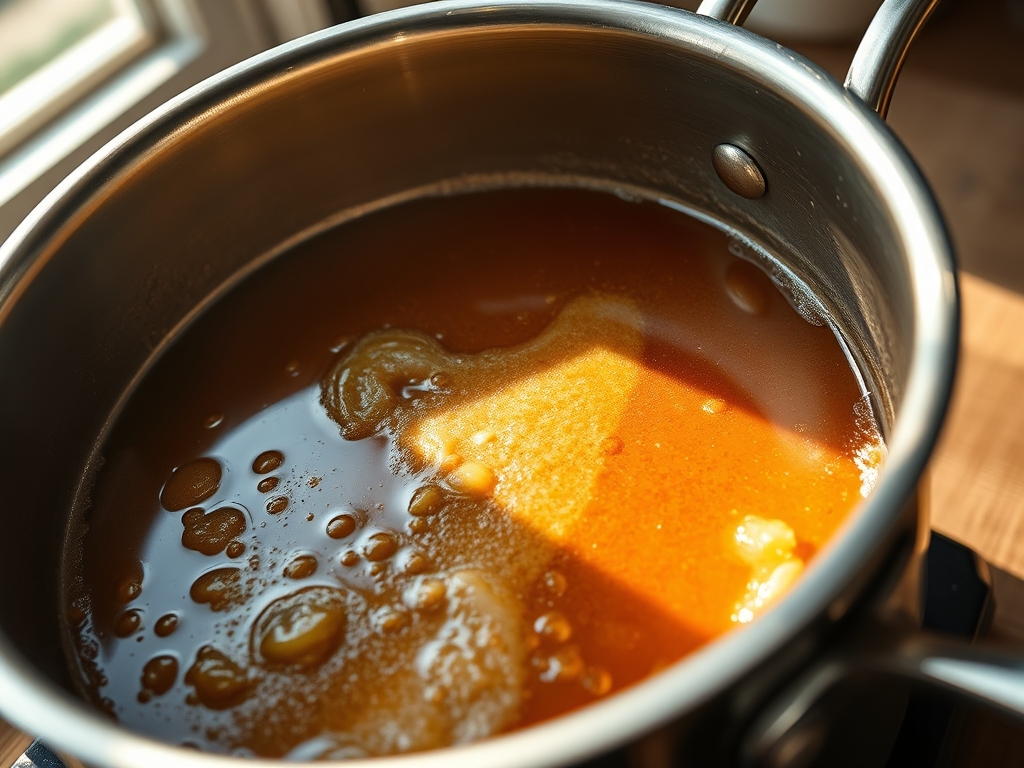
Place your dry, rinsed barley into a preheated saucier over medium heat. We are not adding liquid yet. We are looking to render out the residual moisture from the rinse and initiate a light Maillard reaction on the grain surface. Stir constantly with a silicone spatula for 3 to 5 minutes until a nutty aroma fills the air.
Pro Tip: Toasting the grain creates a hydrophobic barrier of aromatic compounds. This ensures that when the liquid is added, the Barley Beta Glucans release slowly, preventing the grain from collapsing into a starch slurry. Use a digital scale to ensure your grain weight is precise before toasting.
2. Hydration and Thermal Deployment
Add your 750ml of liquid all at once. Bring the mixture to a hard boil for exactly sixty seconds to jumpstart the molecular expansion of the fiber. Immediately reduce the heat to a whisper thin simmer. Cover the pot with a tight fitting lid to prevent steam loss, which would skew your hydration ratio.
Pro Tip: Use a digital probe thermometer to ensure your simmer stays between 185F and 195F. This temperature range is the "sweet spot" for softening the cellulose without rupturing the starch granules entirely.
3. The Viscosity Integration
After 35 minutes, remove the lid. The liquid should be mostly absorbed, leaving a shimmering, viscous coating on the grains. This is the Barley Beta Glucans in their active state. Add your salt, pepper, and fat source. Stir vigorously for 60 seconds to emulsify the fats into the starchy residual liquid.
Pro Tip: This vigorous stirring is essentially a "risotto technique." It uses mechanical shear to pull more soluble fiber into the sauce, creating a creamy texture without the need for heavy cream or thickeners.
4. The Acidic Brightening
Remove from heat and fold in the lemon juice and Parmigiano Reggiano. The acid in the lemon juice will infuse the dish with a piquant brightness that cuts through the earthy density of the barley. Let the dish rest, covered, for 5 minutes before serving.
Pro Tip: Resting allows the internal pressure of the grains to equalize. This prevents "weeping," where water leaks out of the grain after plating. Use a bench scraper to cleanly gather any chopped herbs for the final garnish.
Section B: Prep & Timing Fault-Lines:
The most common human error is the "Boil and Forget" syndrome. High heat for extended periods will cause the exterior of the barley to disintegrate while the interior remains chalky. If you find your liquid has evaporated too quickly, do not add cold water. Add boiling water in 50ml increments. Adding cold water shocks the grains and halts the gelatinization process, resulting in a "tough" texture.
THE VISUAL SPECTRUM
Section C: Thermal & Visual Troubleshooting:
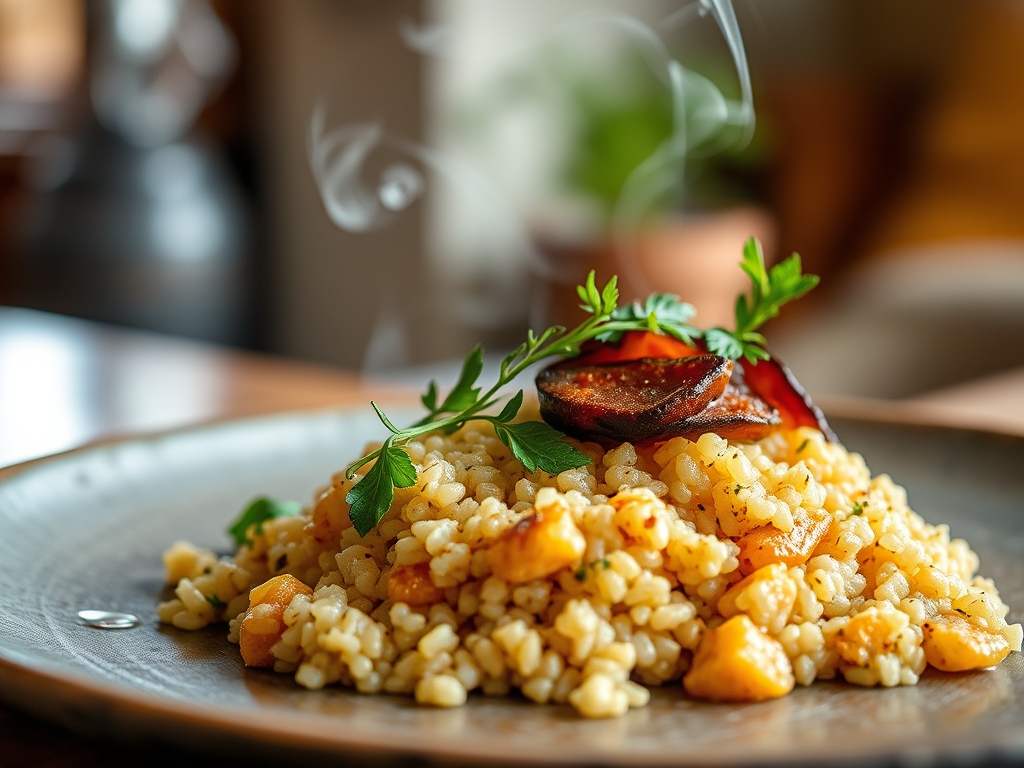
Look at the Masterclass photo. Notice the individual definition of each grain; they are coated in a glossy sheen but are not stuck together in a monolithic block. If your barley looks dull or matte, you likely skipped the toasting phase or under-seasoned with fat. If the color is greyish, your water may have a high mineral content. A teaspoon of lemon juice during the simmering phase can help maintain a brighter, more golden hue. If you see "blowouts" (grains that have split open like popcorn), your simmer was too aggressive. Next time, use a heat diffuser to manage the flame.
THE DEEP DIVE
Macro Nutrition Profile:
A single serving of this audited barley provides approximately 220 calories, 5g of fat, 45g of carbohydrates, and 10g of fiber. The star of the show is the 3.5g of Barley Beta Glucans, which have been clinically shown to lower LDL cholesterol by binding to bile acids in the digestive tract.
Dietary Swaps:
- Vegan: Swap the butter for avocado oil and the cheese for nutritional yeast or a fermented cashew crumble.
- Keto: Barley is a high carb grain. For a lower carb alternative with similar structural integrity, consider "riced" cauliflower mixed with a small amount of glucomannan powder to mimic the viscosity.
- Gluten-Free: Barley contains gluten. Swap for Sorghum or Whole Grain Buckwheat for a similar "chew" and nutritional density.
Meal Prep & Reheating Science:
Barley is a structural tank. It actually improves after 24 hours in the fridge as the flavors infuse deeper into the grain. However, the beta glucans will set into a firm gel when cold. To reheat, add 30ml of liquid per serving and heat slowly. Do not microwave on high; use medium power to gently vibrate the water molecules and loosen the fiber matrix without toughening the grain.
THE KITCHEN TABLE
Why is my barley still crunchy after 45 minutes?
You likely have "hard" water or old grains. Try using filtered water and adding a pinch of baking soda to the liquid to help break down the tough hemicellulose in the grain walls.
Can I cook this in a pressure cooker?
Yes. High pressure accelerates hydration. Use a 1:2 grain to liquid ratio and cook for 18 minutes with a natural release. Note that you will lose some of the toasted aromatic complexity.
What is the difference between pearled and hulled barley?
Hulled barley has only the outermost husk removed and is a true whole grain. It requires soaking and a 60 minute cook time. Pearled barley has the bran removed, allowing for faster hydration and a smoother texture.
How do I stop the pot from foaming over?
The foam is caused by the release of proteins and starches. A small amount of oil or butter added at the start of the simmer will break the surface tension and keep the bubbles under control.