Listen closely because your kitchen is currently a crime scene of soggy fibers and wasted potential. We are here to conduct a full-scale audit of your vegetable crisper. If you have ever stared down a bowl of watery, translucent green strands and wondered where your life went wrong; you were likely missing the critical Zucchini Noodle Data required for structural integrity. Most home cooks treat summer squash like a passive participant in a stir-fry; however, we are treating it as a high-performance carbohydrate replacement. We are seeking the "al dente" threshold of a botanical specimen that is ninety-five percent water. This is not just dinner; it is a study in volumetric satiety. We want the plate to look massive, the calories to remain negligible, and the flavor profile to be aggressively piquant. By the time we finish this technical audit, you will understand how to manipulate cellular pressure to ensure your "noodles" hold a sauce rather than weeping into a puddle of disappointment.
THE DATA MATRIX
| Metric | Specification |
|---|---|
| Prep Time | 15 Minutes |
| Execution Time | 8 Minutes |
| Yield | 2 Servings |
| Complexity (1-10) | 4 |
| Estimated Cost per Serving | $3.25 USD |
THE GATHERS
Ingredient Protocol:
- Zucchini (Medium): 3 units / approx. 600g
- Extra Virgin Olive Oil: 30ml / 2 tbsp
- Garlic (Microplaned): 3 cloves / 15g
- Red Chili Flakes: 2g / 0.5 tsp
- Lemon Juice (Fresh): 15ml / 1 tbsp
- Parmigiano-Reggiano: 40g / 0.5 cup grated
- Toasted Pine Nuts: 20g / 2 tbsp
- Kosher Salt: 10g / 2 tsp (for sweating)
Section A: Ingredient Quality Audit:
If your squash feels "rubbery" before you even start, it has already lost the battle of turgor pressure. Old zucchini lacks the internal cellular structure to withstand high-heat sautéing. Technical Fix: Submerge aging squash in an ice bath for thirty minutes to rehydrate the cells. If your garlic has a green germ in the center, it will introduce a bitter, metallic aftertaste. Technical Fix: Bisect the clove and remove the germ with a paring knife before processing. Finally, if you are using pre-grated cheese, the anti-caking agents will prevent a smooth melt. Technical Fix: Always grate your cheese from a block using a microplane to ensure the fat and protein emulsify into the sauce rather than clumping.
THE MASTERCLASS
1. Precision Spiralization and Sizing
Utilize a heavy-duty spiralizer or a mandoline with a julienne attachment to create uniform strands. Aim for a thickness of 3mm to ensure even heat penetration. Once processed, use a bench scraper to transfer the noodles to a large colander.
Pro Tip: Uniformity is the soul of consistency. If your strands vary in diameter, the thin ones will turn to mush before the thick ones reach a palatable temperature. Use a digital scale to ensure you are working with the correct mass of squash relative to your salt ratio.
2. Osmotic Pre-Treatment
Sprinkle the kosher salt over the raw strands and toss vigorously. Let the squash sit for ten minutes. You will observe liquid pooling at the bottom of the bowl. This is the Zucchini Noodle Data in action; we are drawing out excess moisture to prevent a "soup" effect in the pan.
Pro Tip: This process, known as osmosis, collapses the vacuoles within the plant cells. This makes the noodle more flexible and less likely to snap during the tossing phase. Rinse the salt off briefly and pat bone-dry with a clean kitchen towel.
3. Infusing the Lipid Base
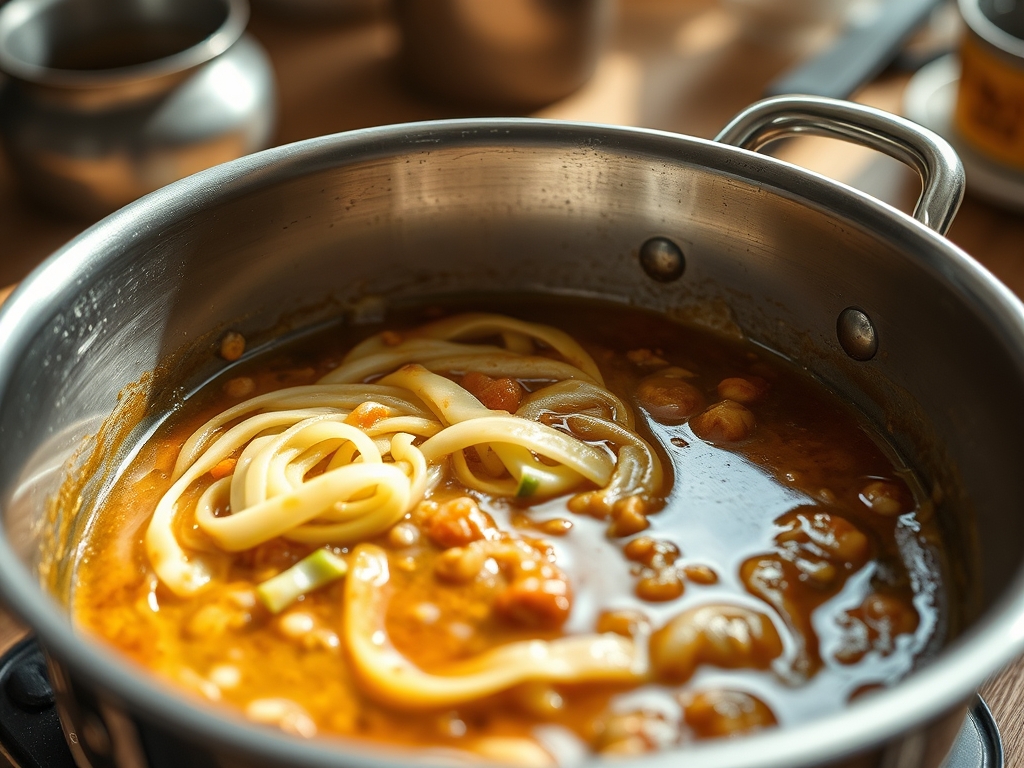
Place a stainless steel saucier over medium-low heat. Add the olive oil, garlic, and chili flakes. We are not looking to brown the garlic yet; we want to infuse the oil with the aromatic compounds.
Pro Tip: Starting aromatics in a cold pan allows the flavors to render into the fat more effectively without scorching the delicate sulfur compounds in the garlic.
4. The High-Heat Flash
Increase the heat to medium-high. Once the oil is shimmering, add the dried zucchini strands. Use tongs to toss the noodles constantly for no more than three minutes. We are looking for the moment the color turns a vibrant, neon green.
Pro Tip: Prolonged heat exposure breaks down the pectin that holds the cell walls together. By using a high-heat flash, you achieve a warm internal temperature while maintaining a structural "snap."
5. Emulsification and Finishing
Remove the pan from the heat. Add the lemon juice and half of the Parmigiano-Reggiano. Toss vigorously to create a viscous sauce that coats each strand. The residual heat will melt the cheese without breaking the emulsion.
Pro Tip: If the sauce looks dry, add a teaspoon of warm water or additional oil. The goal is a glossy sheen that clings to the squash, not a watery residue at the bottom of the pan.
Section B: Prep & Timing Fault-Lines:
The most common failure in this protocol is "Pan Overcrowding." If you dump 1kg of squash into a small pan, the temperature will drop instantly. Instead of sautéing, the squash will steam in its own juices. Technical Fix: Cook in batches if your hardware cannot maintain high surface temperatures. Another fault-line is the "Post-Salt Rinse." If you do not dry the noodles thoroughly after rinsing the salt, you are re-introducing the very moisture we worked to remove. Use a salad spinner for maximum efficiency.
THE VISUAL SPECTRUM
Section C: Thermal & Visual Troubleshooting:
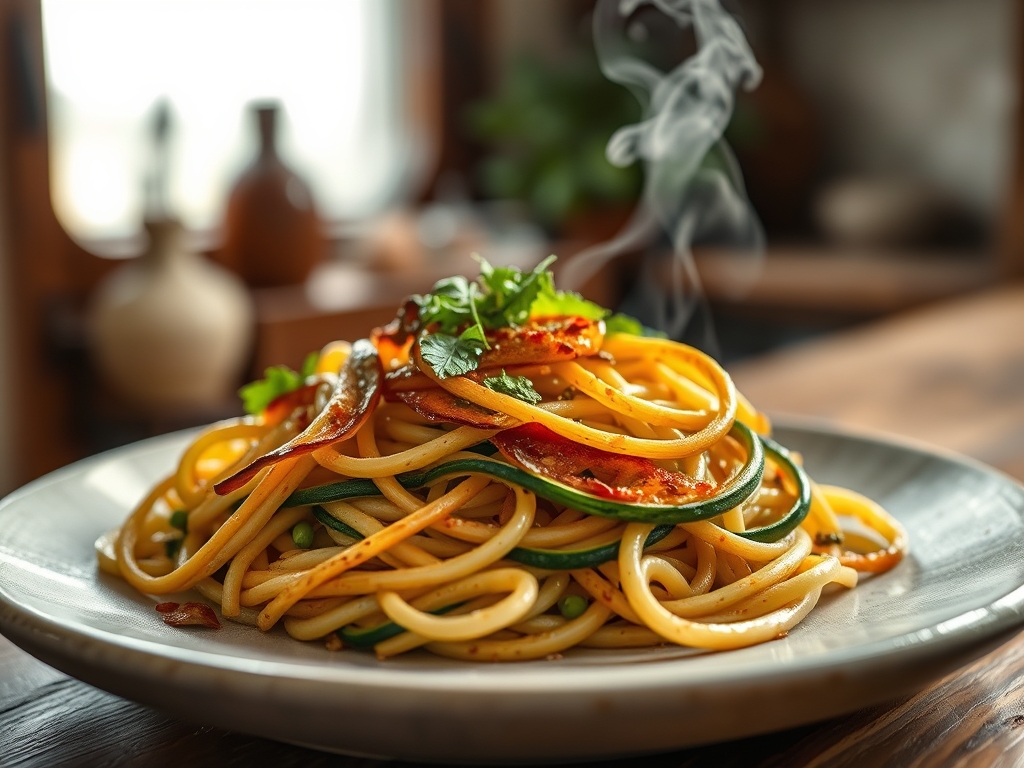
Referencing the Masterclass photo above, notice the high-contrast highlights on the noodle surfaces. This indicates a successful oil coating and minimal weeping. If your dish looks dull or "grey," you have likely overcooked the squash, causing the chlorophyll to degrade. Technical Fix: Shorten the cook time by sixty seconds. If you see uneven browning on the garlic, your heat was too high during the infusion stage. Technical Fix: Control your BTU output; the garlic should be golden, not mahogany. If the cheese appears "stringy" rather than creamy, you added it while the pan was still on the active burner. Always move the pan to a cool zone before introducing dairy to maintain a smooth texture.
THE DEEP DIVE
Macro Nutrition Profile:
A standard serving of this audit-compliant dish contains approximately 180 calories, 14g of healthy fats, 8g of net carbohydrates, and 6g of protein. It is a high-volume, low-density meal designed to trigger stretch receptors in the stomach without a massive caloric load.
Dietary Swaps:
- Vegan: Replace the Parmigiano-Reggiano with nutritional yeast and a dash of white miso paste to maintain the umami profile.
- Keto: This dish is inherently keto-compliant; however, you can increase the fat content by adding a tablespoon of grass-fed butter during the finishing stage.
- GF: Naturally gluten-free, but ensure your pine nuts are processed in a certified facility if sensitivity is extreme.
Meal Prep & Reheating Science:
Zucchini noodles do not reheat well in a microwave because the radiation excites water molecules, leading to immediate structural collapse. To reheat, flash-fry them in a hot pan for sixty seconds or consume them cold as a "noodle salad" to preserve the molecular integrity of the cell walls.
THE KITCHEN TABLE
How do I stop the noodles from being watery?
The secret is the osmotic salt treatment. By drawing out the water before the squash hits the pan, you ensure the heat creates a sear rather than a steam. Always pat the strands dry with a towel before cooking.
Can I use yellow summer squash instead?
Yes, the Zucchini Noodle Data applies to all thin-skinned summer squashes. Yellow squash has a slightly higher sugar content, which may lead to faster browning; adjust your heat accordingly to avoid burning the exterior before the interior is warmed.
What is the best tool for spiralizing?
A motorized spiralizer provides the most consistent results for high-volume prep. However, a handheld julienne peeler is sufficient for single servings. Avoid using a box grater, as it creates jagged edges that release too much moisture during the cooking process.
How long do they last in the fridge?
Raw, spiralized noodles will stay crisp for up to three days if stored in an airtight container lined with a paper towel. Once cooked, they should be eaten immediately. The cellular structure will not survive a second round of cooling and heating.