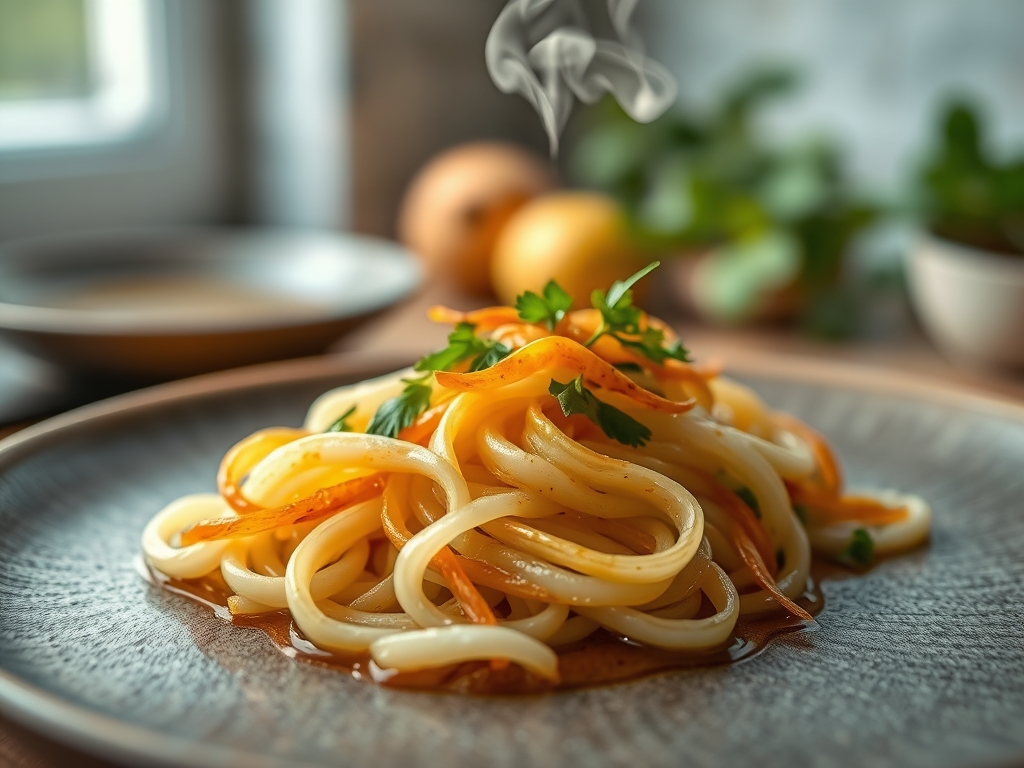
Imagine a translucent bundle of structural integrity that defies the laws of caloric density. You are not just looking at a bowl of noodles; you are staring at a miracle of botanical engineering. The konjac yam, or Amorphophallus konjac, provides the raw glucomannan fiber that serves as the skeletal framework for this dish. When properly audited, these noodles transition from a rubbery, brine-soaked disappointment into a sophisticated vessel for flavor. This Shirataki Konjac Audit is your field manual for transforming high-viscosity plant fibers into a culinary masterpiece. We are hunting for that perfect "snap" and the ability to absorb a piquant sauce without shedding excess water. Forget everything you know about traditional wheat pasta. We are dealing with a non-Newtonian texture profile that requires precise thermal management and chemical neutralizing. The goal is simple: total structural dominance over the fiber matrix to ensure your palate registers nothing but satisfaction. Let us strip away the alkaline scent and replace it with a robust, savory profile that proves zero-calorie infrastructure can support a five-star experience.
THE DATA MATRIX
| Metric | Specification |
|---|---|
| Prep Time | 10 Minutes |
| Execution Time | 15 Minutes |
| Yield | 2 Servings |
| Complexity (1-10) | 4 |
| Estimated Cost per Serving | $3.50 |
THE GATHERS
Ingredient Protocol:
- 500g / 17.6 oz Shirataki (Konjac) Noodles
- 30ml / 2 tbsp Toasted Sesame Oil
- 45ml / 3 tbsp Low-Sodium Soy Sauce or Tamari
- 15ml / 1 tbsp Rice Vinegar
- 10g / 2 tsp Fresh Ginger (Grated)
- 3 Large Cloves Garlic (Minced)
- 5g / 1 tsp Chili Crisp or Sriracha
- 100g / 3.5 oz Firm Tofu or Chicken Breast (Optional Protein)
- 2 Large Green Onions (Bias-cut)
Section A: Ingredient Quality Audit:
The primary failure point in any Shirataki Konjac Audit is the "fishy" aroma emanating from the packaging. This is not spoilage; it is the alkaline calcium hydroxide used to solidify the glucomannan. If your noodles smell like a pier at low tide, you must initiate a triple-rinse protocol. Sub-par noodles often lack structural tension. If the noodles feel mushy rather than elastic, they have been stored in a high-acid environment for too long. To fix this, a brief soak in a 2% salt solution can help firm up the fiber walls through osmotic pressure. Always check the expiration date; while konjac is shelf-stable, the suspension liquid can degrade over time, leading to a breakdown of the molecular chains that give the noodle its signature bite.
THE MASTERCLASS
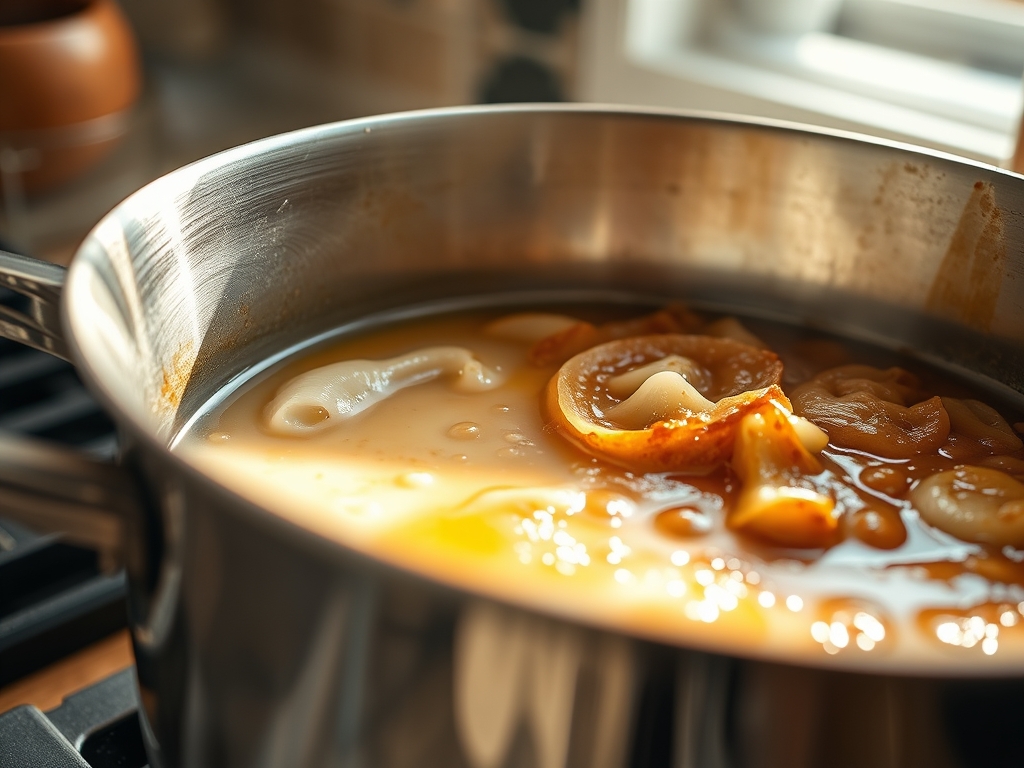
1. The Purge and Rinse
Drain the noodles into a fine-mesh sieve and rinse under cold running water for a minimum of three minutes. Agitate the fibers manually to ensure the alkaline residue is thoroughly flushed from the surface area.
Pro Tip: Use a digital scale to verify the post-rinse weight. The water retention in the fiber matrix can vary by brand; knowing the exact mass helps you calculate the precise amount of sauce needed to prevent dilution.
2. The Acidic Neutralization
Submerge the rinsed noodles in a bowl of water mixed with a splash of lemon juice or white vinegar for two minutes. This neutralizes any remaining base notes and prepares the surface for flavor adhesion.
Pro Tip: Science dictates that neutralizing the pH of the noodle surface allows for better penetration of the infuse process later. Use a stainless steel mixing bowl to avoid any reactive metallic taints during this chemical reset.
3. The Par-Boil Flash
Bring a pot of unsalted water to a rolling boil. Drop the noodles in for exactly three minutes. This is not to "cook" them—as they are technically pre-cooked—but to expand the fiber lattice and release any trapped odors.
Pro Tip: Use a spider skimmer to remove the noodles quickly. This ensures you do not carry over excess boiling water into the next phase, which is critical for maintaining the integrity of the texture.
4. The Dry-Sear Maneuver
This is the most critical step. Place the drained noodles into a dry saucier or cast-iron skillet over medium-high heat. Toss them constantly for 5 to 8 minutes until they "squeak" and all visible steam has dissipated.
Pro Tip: This process is called "dry roasting." By removing the surface moisture, you create microscopic pores in the glucomannan structure. This allows the noodle to absorb the sauce rather than letting it slide off.
5. The Emulsified Finish
Add your sesame oil, aromatics, and sauce components to the pan. Turn the heat to high and toss vigorously to deglaze any concentrated flavors on the pan surface and coat every strand.
Pro Tip: Use a bench scraper to keep your aromatics moving and prevent the garlic from burning. The goal is to render the fat in the chili crisp so it creates a glossy, emulsified coating on the now-thirsty noodles.
THE VISUAL SPECTRUM
Section B: Prep & Timing Fault-Lines:
The most common human error is rushing the dry-sear phase. If you add sauce while the noodles are still weeping water, you will end up with a puddle of diluted liquid at the bottom of the bowl. This is a catastrophic failure of the Shirataki Konjac Audit. Temperature control is also vital. If the pan is too cold, the noodles will steam rather than sear, resulting in a slimy mouthfeel. If the pan is too hot, the delicate ginger and garlic will carbonize before the sauce can infuse the fiber. Use an infrared thermometer to ensure your pan surface is between 350F and 375F before the noodles hit the metal.
Section C: Thermal & Visual Troubleshooting:
Referencing the Masterclass photo, your noodles should exhibit a matte finish that has transitioned into a glossy, amber hue after the sauce application. If the noodles look "grey" or translucent, they have not been seared long enough. If the sauce is "breaking" and looks oily rather than creamy, you may need to add a teaspoon of water and toss violently to re-emulsify the fats. Uneven browning on the protein (if added) suggests the pan was overcrowded. Ensure your tofu or chicken has enough space to undergo the Maillard reaction independently before being integrated with the high-moisture noodles.
THE DEEP DIVE
Macro Nutrition Profile:
A standard serving of these noodles contains approximately 20 to 40 calories, primarily derived from the 4 to 6 grams of glucomannan fiber. It is essentially a zero-net-carb food. The caloric density of the dish is determined almost entirely by the sauce and protein additions. This makes it a powerful tool for weight management and glycemic control.
Dietary Swaps:
- Vegan: Ensure your chili crisp does not contain dried shrimp and use tamari instead of soy sauce if gluten-free certification is required.
- Keto: Replace rice vinegar with apple cider vinegar and ensure the soy sauce has no added sugars.
- GF: Always verify that the konjac noodles are processed in a facility free from wheat cross-contamination.
Meal Prep & Reheating Science:
Shirataki noodles are incredibly resilient. Unlike wheat pasta, they do not get mushy when stored in liquid. In fact, they often taste better the next day as the flavors have more time to penetrate the fiber matrix. To reheat, avoid the microwave if possible; it can cause the fibers to tighten and become overly chewy. Instead, toss them back into a hot skillet for two minutes to revive the emulsion and restore the "snap."
THE KITCHEN TABLE
Why do my noodles still smell like the ocean?
You likely skipped the acid neutralization step. A quick soak in vinegar or lemon juice is mandatory to break down the alkaline salts used during the manufacturing process. Triple-rinsing is the minimum requirement for a successful audit.
Can I use these noodles in a cold salad?
Absolutely. However, you must still perform the dry-sear step to fix the texture. Once seared and sauced, shock them in an ice bath or refrigerate. This ensures the "crunch" remains intact even when served chilled.
Why is the sauce pooling at the bottom?
This indicates insufficient dry-searing. If the noodle is saturated with water, it cannot hold onto the sauce. Next time, extend the pan-frying time until the noodles make a distinct whistling or squeaking sound against the hot metal.
Is glucomannan safe for everyone?
Generally yes, but it is a highly potent fiber. Always consume with plenty of water to assist the fiber through the digestive tract. Its high-viscosity nature makes it incredibly filling, which is the primary benefit of this infrastructure.