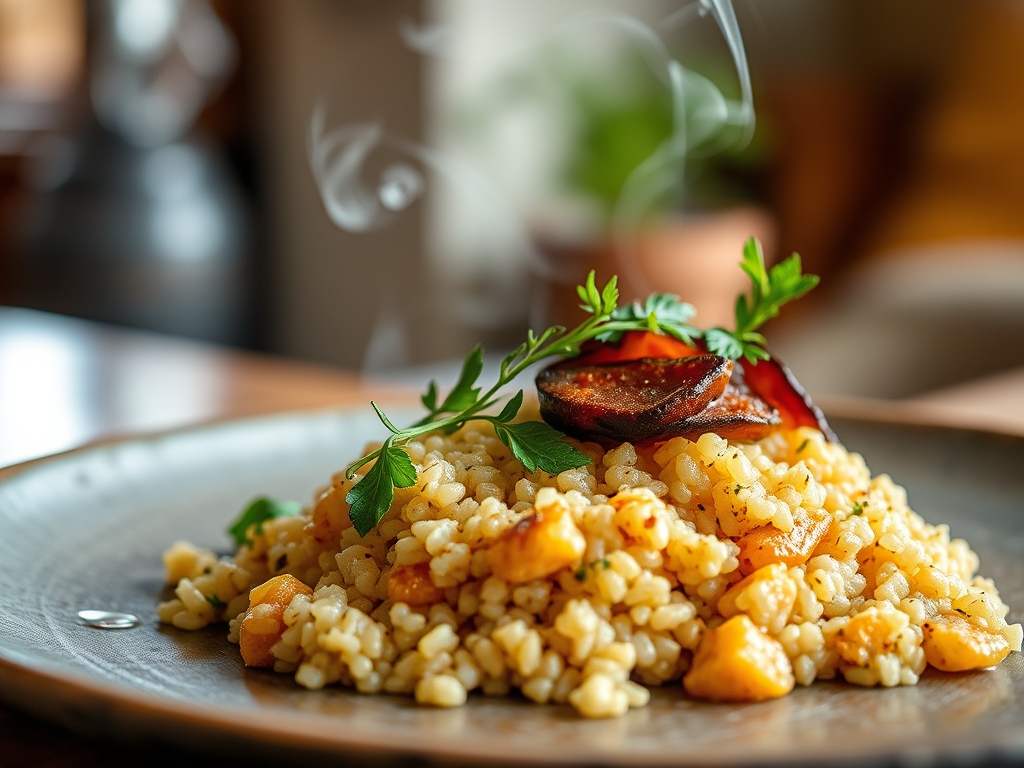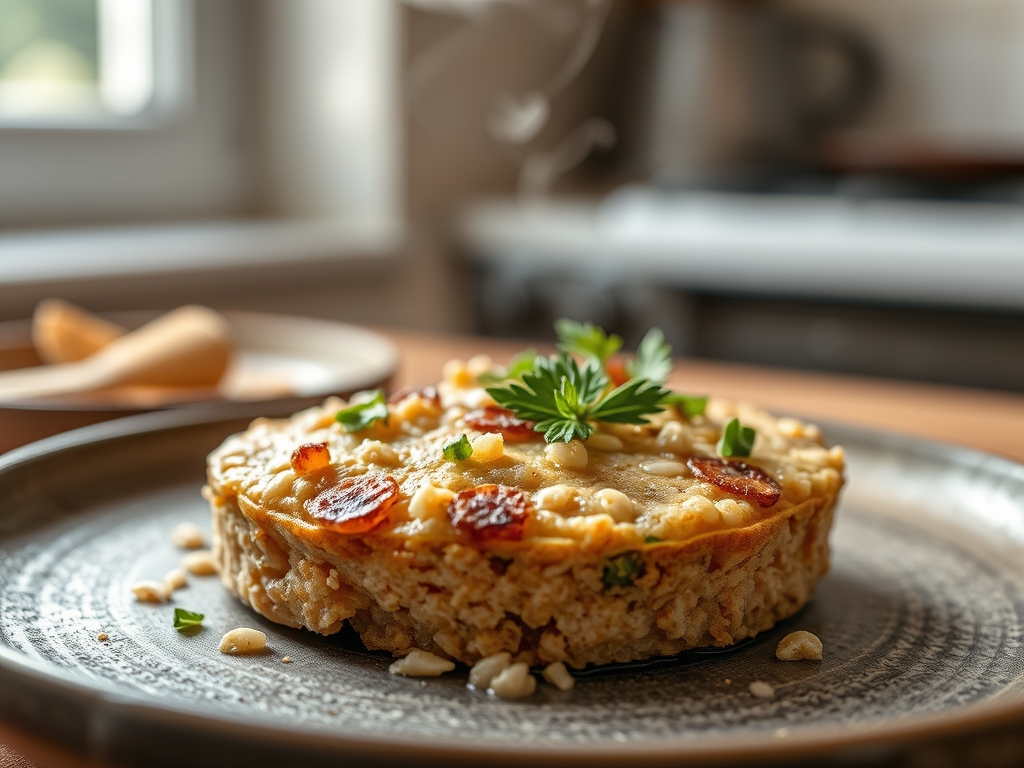
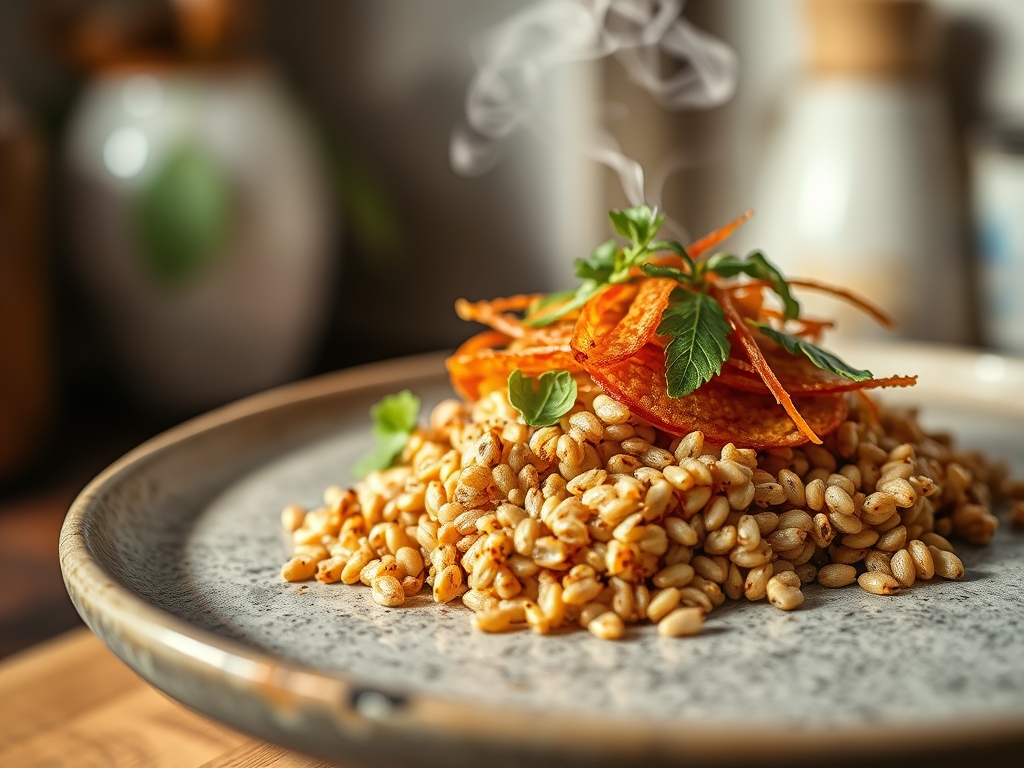
Listen up, kitchen operatives. We are moving beyond the basic caloric intake of the masses and entering the realm of high-density molecular architecture. We are talking about the undisputed heavyweight champion of the pseudo-cereal world. Amaranth Seed Protein is not just a dietary supplement; it is a structural marvel that has sustained empires from the Aztecs to modern-day orbital missions. When you hydrate these tiny, golden spheres, you aren't just boiling grain. You are initiating a complex hydration sequence that unlocks a lysine concentration unrivaled by common wheat or rice. The scent is unmistakable: earthy, nutty, and slightly grassy, reminiscent of a rain-soaked meadow. But do not let the pastoral aroma fool you. This is a high-performance fuel. As the grains swell, they release a viscous starch that creates a luxurious, velvet mouthfeel without the need for heavy lipids. We are here to audit the process, refine the technique, and ensure that every gram of protein is rendered to its maximum bioavailable potential. Strap in; we are going deep into the grain.
THE DATA MATRIX
| Metric | Specification |
|---|---|
| Prep Time | 10 Minutes |
| Execution Time | 25 Minutes |
| Yield | 4 Servings |
| Complexity (1-10) | 4 |
| Estimated Cost per Serving | $1.25 |
THE GATHERS
Ingredient Protocol:
- 200g / 1 cup Amaranth Seed Protein (Raw, whole grain)
- 720ml / 3 cups Filtered Water or Bone Broth
- 5ml / 1 tsp Sea Salt (Fine grain)
- 15ml / 1 tbsp Extra Virgin Olive Oil or Ghee
- 2g / 1/2 tsp Toasted Cumin Seeds
- 10ml / 2 tsp Freshly Squeezed Lemon Juice
Section A: Ingredient Quality Audit:
If your amaranth smells dusty or bitter before it even hits the heat, you are dealing with oxidized surface lipids. This is a failure of storage protocol. To fix this, rinse the grain in a fine-mesh sieve under cold running water for sixty seconds to remove saponins and dust. If the grain refuses to soften after the allotted time, your water is likely too "hard" or alkaline. Switch to filtered water to ensure the mineral content does not interfere with the softening of the outer hull. Finally, if the flavor profile is flat, your spices are likely stale. Bloom them in fat before adding the liquid to infuse the oil with fat-soluble aromatics.
THE MASTERCLASS
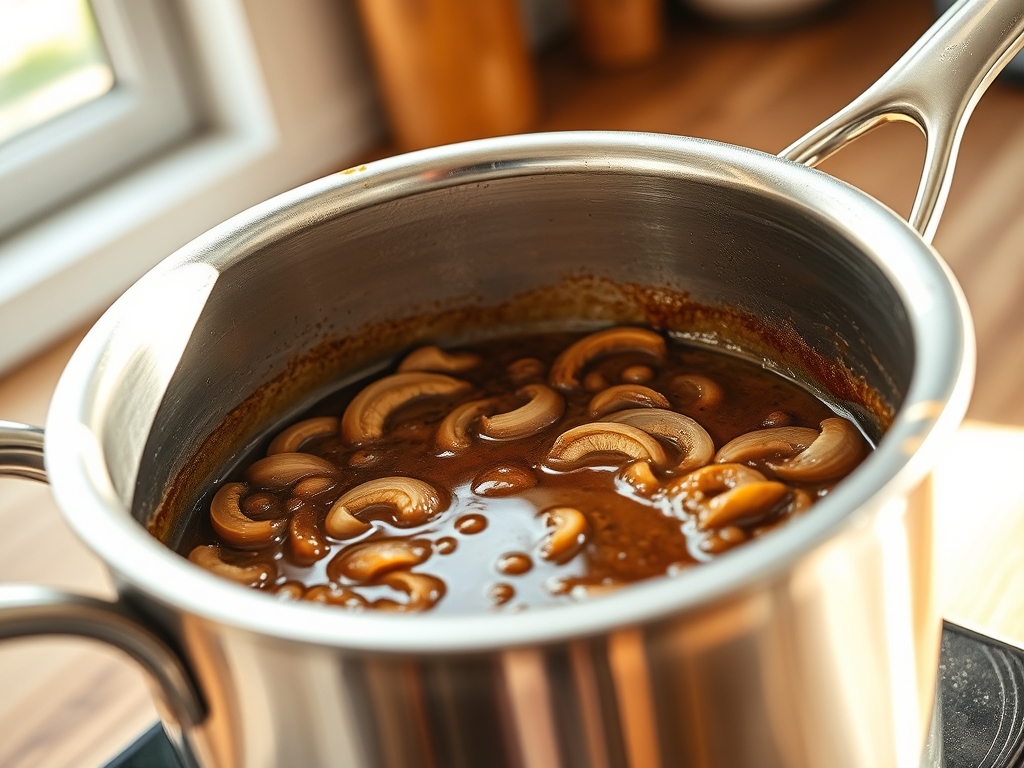
1. The Thermal Activation Phase
Place your saucier over medium-high heat and add the fat. Once the oil begins to shimmer, add the dry amaranth seeds. Toast them for two to three minutes, stirring constantly with a heat-resistant spatula, until they begin to pop and emit a nutty fragrance.
Pro Tip: This is the Maillard reaction in its most primal form. Toasting the grain before adding liquid creates a barrier that prevents the seeds from becoming excessively mushy. Use a digital scale to ensure your grain-to-liquid ratio is precise; even a 5% variance can ruin the final texture.
2. The Hydration Sequence
Slowly pour your liquid of choice into the pan. The mixture will hiss and steam violently. Add the salt and bring the assembly to a rolling boil. Immediately reduce the heat to the lowest possible setting and cover the pan with a tight-fitting lid.
Pro Tip: Use a heavy-bottomed saucier to ensure even heat distribution. Thin pans create hot spots that will scorch the bottom layer of Amaranth Seed Protein while leaving the top layer undercooked. The steam trapped inside is what does the heavy lifting of breaking down the complex carbohydrates.
3. The Molecular Rest
After 20 minutes, remove the pan from the heat. Do not lift the lid. Let the grain sit undisturbed for an additional five to ten minutes. This allows the residual steam to redistribute, ensuring a uniform moisture gradient throughout the batch.
Pro Tip: This resting period is non-negotiable. It allows the starches to set, preventing the grain from turning into a glue-like paste. Use a bench scraper later to clean your prep surface if any stray grains escaped during the transfer.
4. The Aeration and Finish
Lift the lid and use a fork to gently aerate the grains. Drizzle with lemon juice and toss with fresh herbs if desired. The texture should be caviar-like: distinct, tiny beads that pop slightly when bitten, bound by a light, creamy matrix.
Pro Tip: Adding an acid like lemon juice at the very end provides a piquant counterpoint to the earthy depth of the protein. It also helps to break up any clumps that formed during the cooling process.
Section B: Prep & Timing Fault-Lines:
The most common human error is the "Anxious Peeker" syndrome. Every time you lift the lid during the simmer, you lose 15 degrees of internal temperature and a significant volume of steam. This results in unevenly cooked grains. If you find the liquid has evaporated but the grain is still crunchy, add 30ml of boiling water and seal the lid immediately. Never add cold water to a hot pot; it shocks the grain and ruins the viscous consistency of the starch.
THE VISUAL SPECTRUM
Section C: Thermal & Visual Troubleshooting:
Referencing the masterclass image, your final product should exhibit a vibrant, golden-tan hue. If the grains appear grey or dull, you likely skipped the toasting phase or used old, oxidized stock. If the mixture looks like a solid block of porridge rather than individual grains, you over-agitated the pot during the simmer. Amaranth requires a "low-touch" environment once the hydration begins. If you see dark brown spots, your heat was too high, causing the sugars to burn before the core of the grain could hydrate. Aim for that glistening, translucent finish seen in the photo; it indicates perfect gelatinization.
THE DEEP DIVE
Macro Nutrition Profile:
A single serving of this prepared Amaranth Seed Protein delivers approximately 7 grams of complete protein, 5 grams of fiber, and a significant dose of manganese and magnesium. Unlike wheat, it contains lunasin, a peptide believed to have anti-inflammatory properties.
Dietary Swaps:
- Vegan: Use vegetable bouillon and avocado oil.
- Keto: Amaranth is higher in carbs, so limit portions to 1/4 cup and pair with high-fat proteins like salmon.
- GF: Naturally gluten-free, but ensure your source is certified to avoid cross-contamination.
Meal Prep & Reheating Science:
Amaranth holds its molecular structure remarkably well. To reheat, add a splash of water or broth to the container and microwave on medium power. This creates a localized steam environment that prevents the grain from drying out. Avoid high-heat frying for leftovers unless you intend to make "grain cakes," as the high starch content will cause it to stick to anything but a well-seasoned cast iron or non-stick surface.
THE KITCHEN TABLE
Why is my amaranth crunchy?
The outer bran layer is resilient. If it is crunchy, you likely had an evaporation leak or insufficient cook time. Add two tablespoons of water and steam for five more minutes.
Can I cook this in a rice cooker?
Yes. Use the "Brown Rice" setting. The sensor will detect the steam drop and shut off automatically. However, you miss the crucial toasting phase that develops the deep, nutty flavor.
Does amaranth contain gluten?
No. It is a pseudo-cereal and is naturally gluten-free. It is an excellent structural substitute for couscous or bulgur in recipes for those with celiac disease or gluten sensitivity.
How do I store dry amaranth?
Because of its high oil content, store it in a cool, dark place in an airtight container. For long-term storage exceeding six months, the refrigerator or freezer is the optimal environment to prevent rancidity.