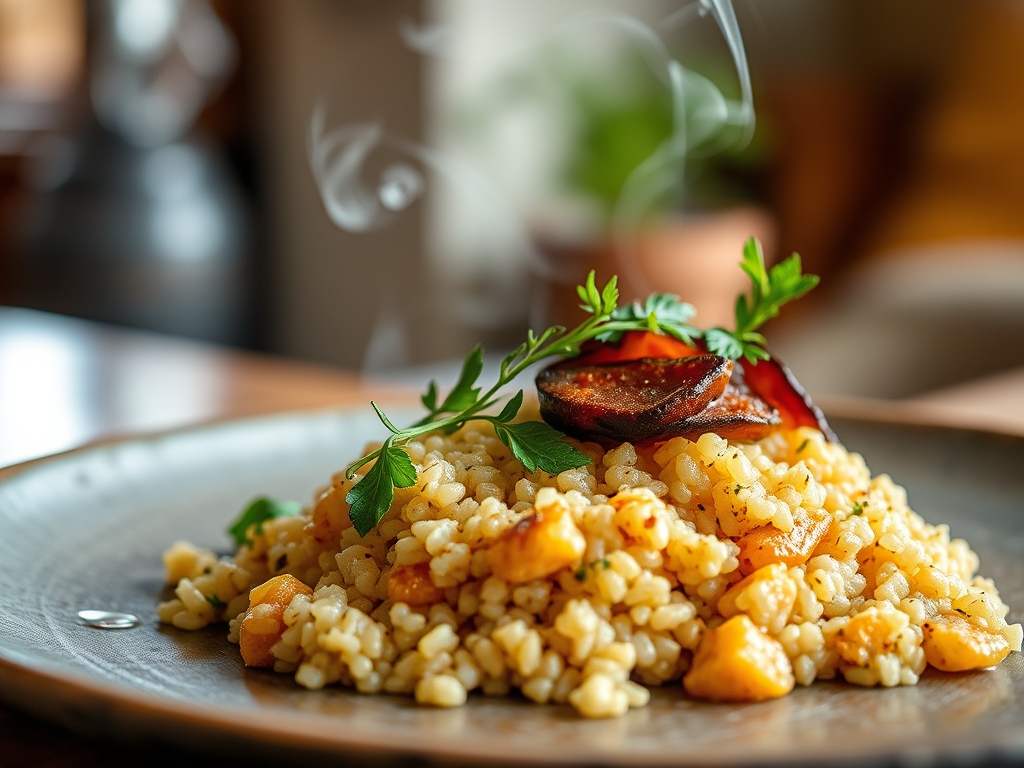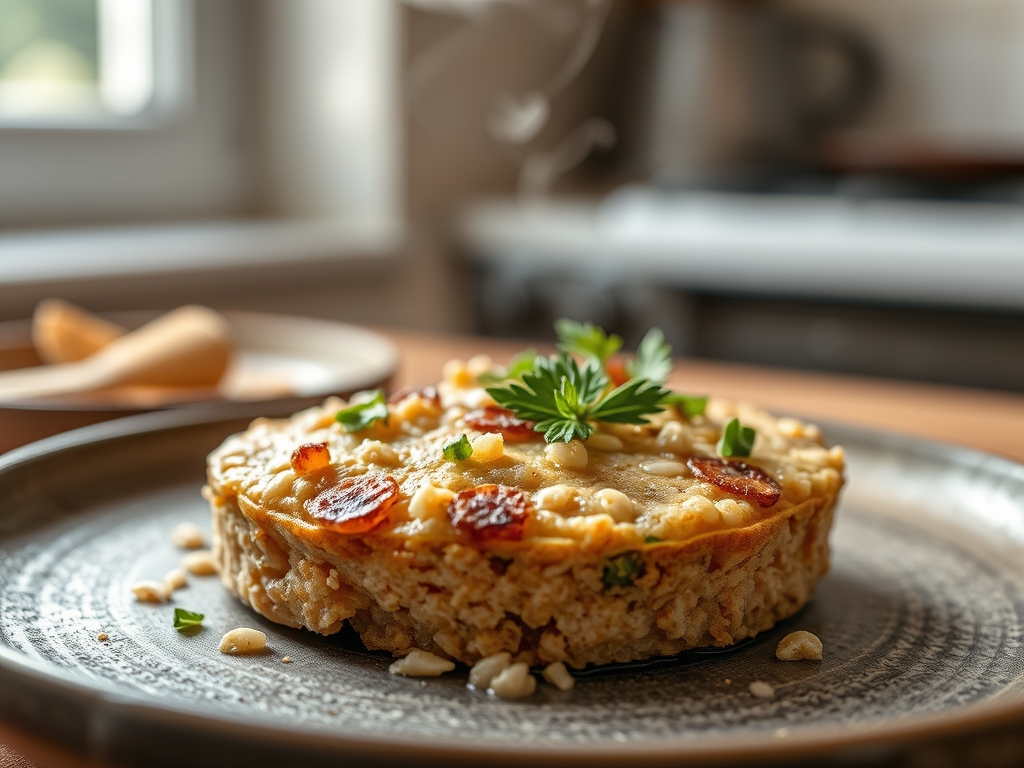
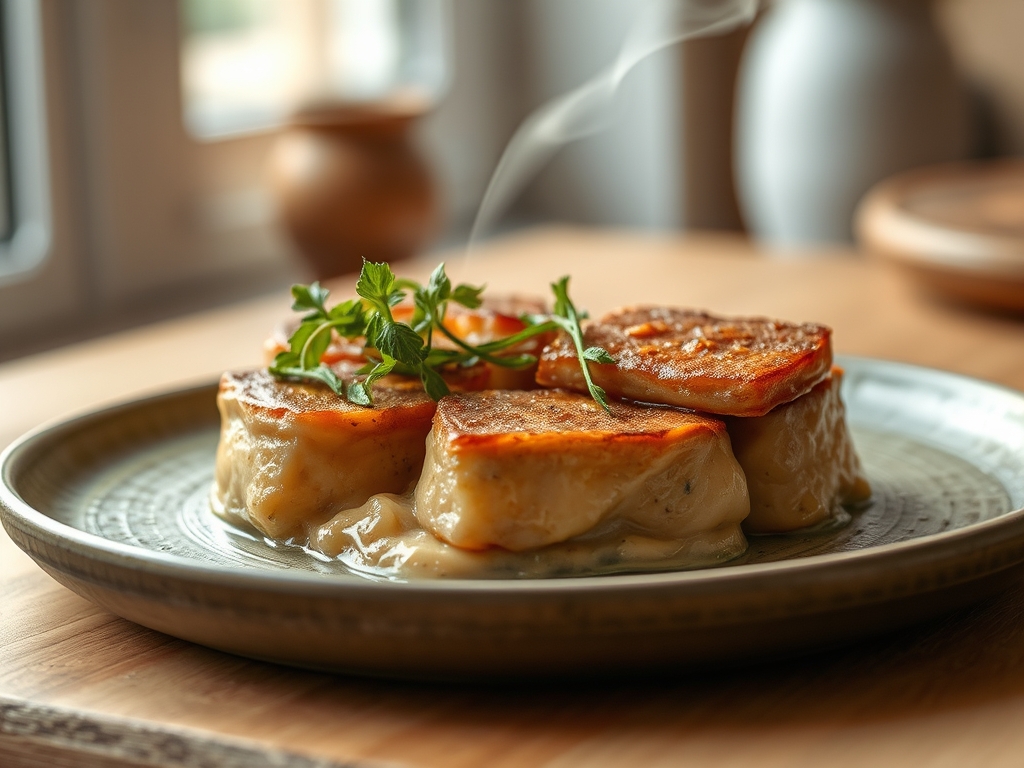
The scent of a true Einkorn bake is not merely bread; it is the olfactory signature of a fourteen-chromosome genetic masterpiece. When you engage in a rigorous Einkorn Wheat Audit, you are dismantling the lazy assumptions of modern industrial milling. We are reaching back through ten millennia to a grain that refuses to behave like its bloated, hexaploid descendants. This is the diploid king. It is sticky, it is golden, and it possesses a carotenoid density that makes standard white flour look like chalk dust. To bake with Einkorn is to manage a high-hydration, low-elasticity matrix that requires the precision of a structural engineer and the intuition of a master fermenter. You do not knead this dough into submission; you coax it into a delicate, honeycomb structure. If you are looking for the bouncy, rubbery resilience of modern gluten, turn back now. We are here for the rich, nutty depth and the structural integrity of the world's oldest wheat. Prepare your digital scales and your bench scrapers. We are about to audit the very foundation of civilization.
THE DATA MATRIX
| Metric | Specification |
|---|---|
| Prep Time | 20 Minutes (Active) |
| Execution Time | 18 to 24 Hours (Fermentation Included) |
| Yield | 1 Large Boule (approx. 850g) |
| Complexity | 7/10 (Requires hydration management) |
| Estimated Cost per Serving | $0.85 USD |
THE GATHERS
Ingredient Protocol:
- 500g / 4 cups Whole Grain Einkorn Flour (Stone-ground preferred)
- 350ml / 1.5 cups Filtered Water (Temperature: 32C / 90F)
- 10g / 2 tsp Fine Sea Salt
- 50g / 0.25 cup Active Sourdough Starter (100% hydration)
- 15ml / 1 tbsp Extra Virgin Olive Oil (For bowl lubrication)
Section A: Ingredient Quality Audit:
The primary failure point in an Einkorn Wheat Audit is enzymatic activity. If your flour is too old, the natural oils have oxidized, resulting in a bitter aftertaste that no amount of fermentation can fix. Ensure your flour smells like toasted hazelnuts, not wet cardboard. If your water is heavily chlorinated, it will stall your microbial colony; use a charcoal filter or boil and cool the water to ensure the sourdough culture can proliferate. If your dough feels excessively "soupy" despite correct measurements, your flour likely has a lower protein absorption rate. Fix this by performing a "dry autolyse" where you let the flour and water sit for thirty minutes before adding salt or starter to allow the starches to hydrate fully without interference.
THE MASTERCLASS
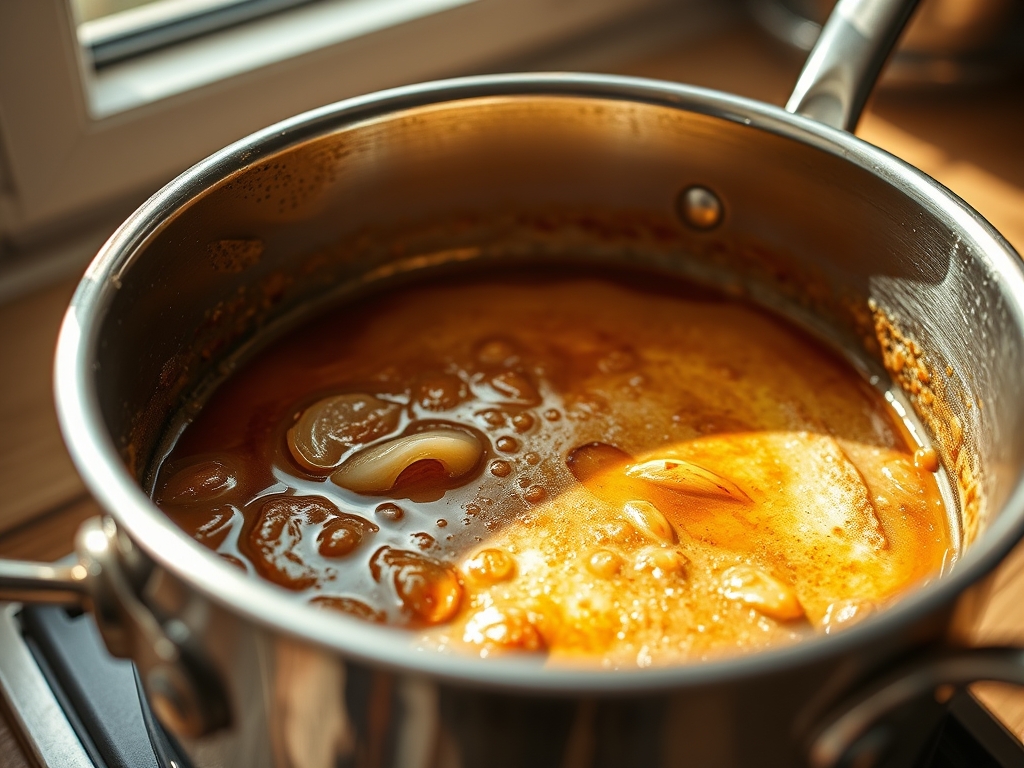
1. The Initial Hydration Phase
Combine your filtered water and sourdough starter in a glass bowl, whisking until the mixture is aerated and frothy. Gradually incorporate the Einkorn flour using a sturdy Danish dough whisk or a silicone spatula. Do not look for a smooth ball yet; you are aiming for a shaggy, cohesive mass where no dry pockets remain.
Pro Tip: Use a digital scale for every gram. Einkorn is notoriously sensitive to hydration levels; even a 2% variance can turn a manageable dough into a sticky mess. The science here is about the gliadin-to-glutenin ratio, which in Einkorn favors stickiness over elasticity.
2. The Strategic Bulk Fermentation
Cover the dough and let it rest in a warm, draft-free environment. Instead of traditional kneading, perform "stretch and folds" every thirty minutes for the first two hours. Use a bench scraper to lift the edges of the dough toward the center. This builds tension without tearing the fragile gluten strands.
Pro Tip: Einkorn lacks the D-genome found in modern wheat, meaning its gluten is "weak" but highly digestible. Over-handling will denature the protein structure, causing the loaf to collapse into a pancake during the bake.
3. The Cold Retardation Protocol
Transfer the dough to a proofing basket (banneton) heavily dusted with rice flour. Seal it in a plastic bag and refrigerate for 12 to 16 hours. This cold environment slows down yeast activity while allowing lactic acid bacteria to infuse the dough with complex, tangy flavor profiles.
Pro Tip: Cold fermentation is a non-negotiable step for structural integrity. It firms up the fats and allows the enzymatic breakdown of complex sugars, resulting in a superior Maillard reaction during the bake.
4. The Thermal Shock Execution
Preheat a heavy Dutch oven at 250C (480F) for at least forty-five minutes. Carefully invert the cold dough onto parchment paper, score the surface with a lame or razor blade, and drop it into the preheated vessel. Bake covered for 25 minutes, then uncovered for 20 minutes.
Pro Tip: The steam trapped inside the Dutch oven keeps the "skin" of the dough moist, allowing for maximum "oven spring." Without this, the crust would set too early, trapping the gases and resulting in a dense, leaden interior.
Section B: Prep & Timing Fault-Lines:
Timing is the invisible ingredient. If your kitchen is over 25C (77F), your bulk fermentation will accelerate dangerously, leading to over-proofing. An over-proofed Einkorn dough will lose its ability to hold CO2 and will deflate the moment it hits the heat. Conversely, using water that is too cold will result in a "sluggish" rise, producing a loaf with a viscous, gummy crumb. Always use an instant-read probe thermometer to verify that your dough temperature stays between 24C and 26C during the active phases.
THE VISUAL SPECTRUM
Section C: Thermal & Visual Troubleshooting:
Referencing the Masterclass photo, look for the "shattered glass" appearance on the crust. This indicates a perfect gelatinization of starches. If your loaf is pale and dull, you likely under-fermented or baked at too low a temperature; increase the heat to ensure the sugars render into a deep mahogany. If the crumb (the inside) looks damp or "grey," the loaf was cut too early. You must allow the bread to cool for at least four hours. During this time, moisture redistributes from the center to the crust. Cutting it hot causes the steam to collapse the delicate internal cell structure, ruining the alveolar network you worked so hard to build.
THE DEEP DIVE
Macro Nutrition Profile:
A single 100g slice provides approximately 250 calories, 9g of protein, 4g of fiber, and is significantly higher in Lutein and Beta-carotene than modern wheat. Its zinc and magnesium levels are also superior, making it a functional food for metabolic health.
Dietary Swaps:
- Vegan: Naturally vegan. Ensure your starter is maintained with flour and water only.
- Keto: Impossible. Einkorn is a high-carb ancient grain.
- Gluten-Free: Not suitable for Celiacs, though many with "non-celiac gluten sensitivity" find the diploid structure of Einkorn much easier to process.
Meal Prep & Reheating Science:
To maintain the molecular structure, do not refrigerate finished bread; this accelerates starch retrogradation (staling). Store at room temperature in a paper bag. To reheat, spray the crust lightly with water and place in a 175C (350F) oven for six minutes to re-gelatinize the starches and restore the crunch.
THE KITCHEN TABLE
Why is my Einkorn dough so sticky?
Einkorn absorbs water slower than modern wheat. Its unique protein structure lacks the "elastic" strength of the D-genome. Use a bench scraper and wet hands instead of adding more flour, which would throw off the hydration balance.
Can I use commercial yeast instead of sourdough?
You can, but you lose the structural benefits. Sourdough acidity strengthens the weak Einkorn gluten and neutralizes phytic acid. If using commercial yeast, reduce the first rise time by half to prevent the dough from turning into a puddle.
What is the best way to score the dough?
Because Einkorn is high-hydration, use a very sharp lame and make a single, decisive 1cm deep cut at a 45-degree angle. This directs the expansion and prevents the loaf from bursting at the base.
Does Einkorn require a special oven?
No, but it requires a thermal mass. A cast-iron Dutch oven or a heavy baking stone is essential to mimic the intense, even heat of an ancestral hearth, ensuring the crust develops its signature piquant, toasted flavor.