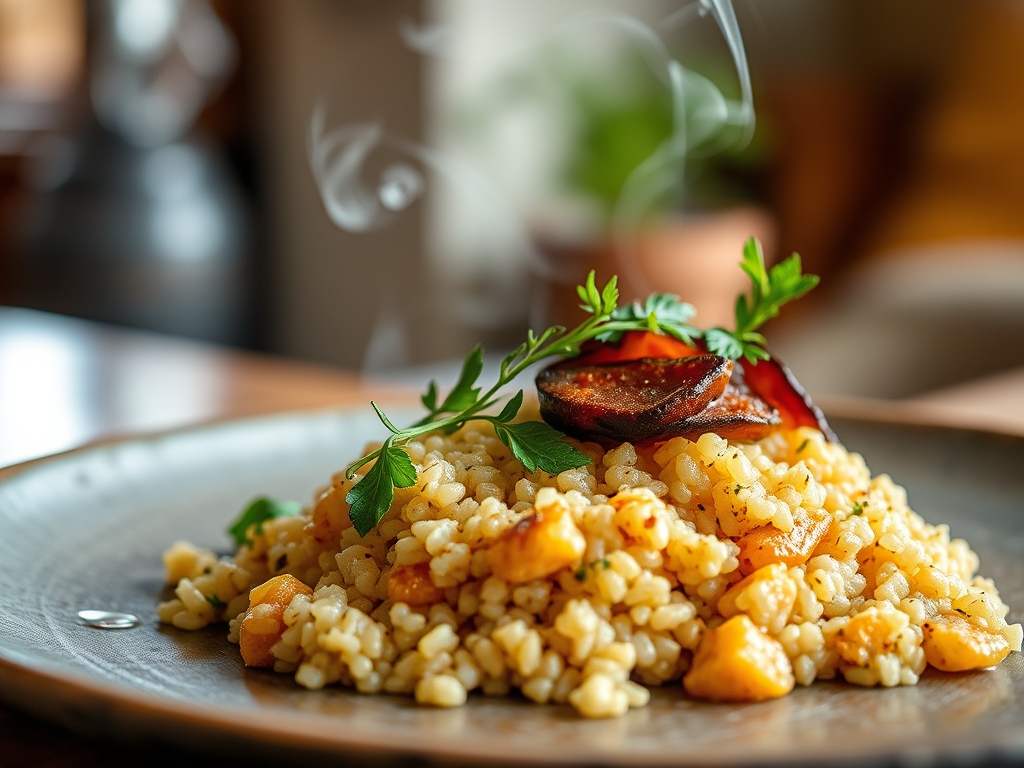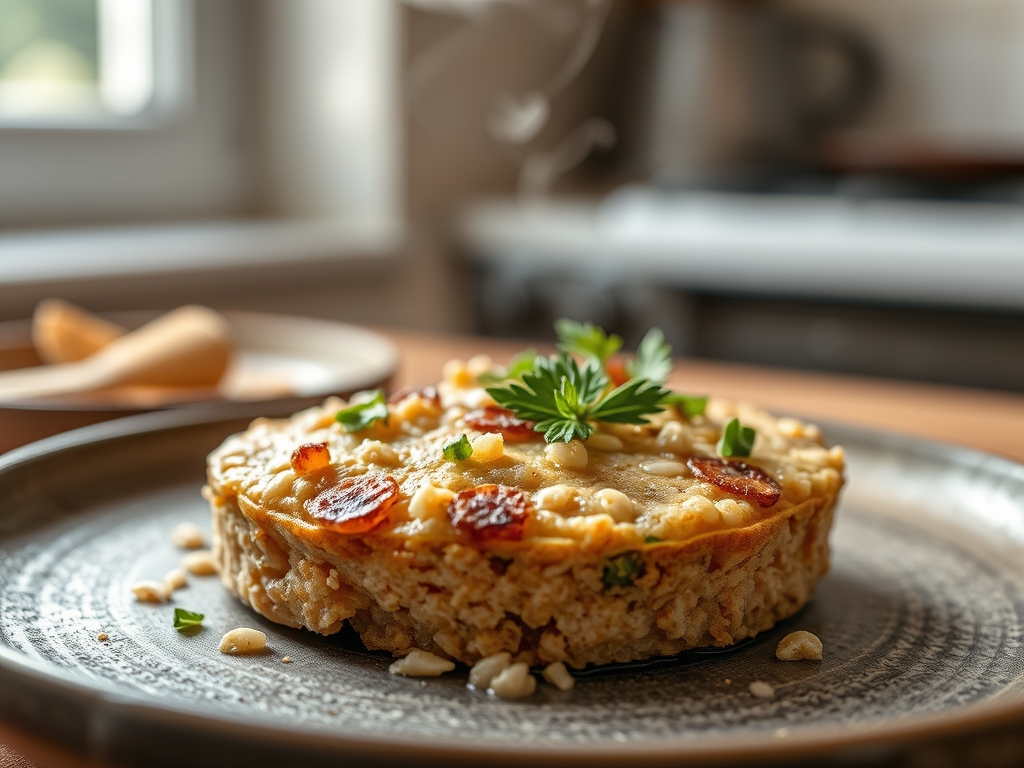
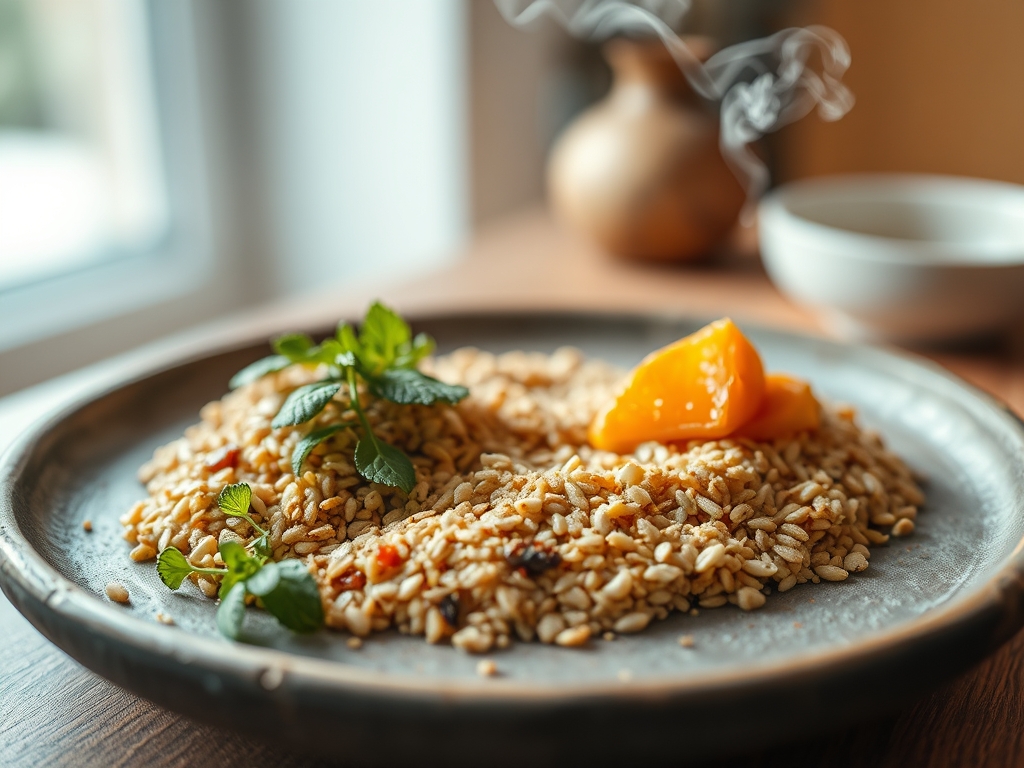
Listen to the rhythmic thrum of the stone mill; it is the heartbeat of a high performance pantry. We are not just cooking here; we are conducting a structural audit of the world's smallest super-grain. Teff is a geological miracle disguised as a seed. While wheat relies on gluten for its structural integrity, the Teff Seed Minerals provide a dense, metallic backbone of iron, magnesium, and calcium that demands a different kind of culinary respect. When you hydrate these tiny rubies, you are initiating a complex fermentation cycle that transforms simple carbohydrates into a sour, spongy masterpiece known as Injera. The aroma is sharp and fermented; it carries the scent of wild yeast and deep earth. This is the foundation of Ethiopian infrastructure. To master it, you must understand the molecular weight of the grain and the specific gravity of the batter. We are moving beyond the amateur realm of "pancakes" into the professional territory of cellular aeration. Brace yourselves for a deep dive into the mineral density that defines this ancient energy source.
THE DATA MATRIX
| Metric | Specification |
|---|---|
| Prep Time | 72 Hours (Fermentation Window) |
| Execution Time | 30 Minutes |
| Yield | 10 to 12 Large Injera Discs |
| Complexity (1-10) | 8 (Requires precision hydration) |
| Estimated Cost per Serving | $1.25 USD |
THE GATHERS
Ingredient Protocol:
- 500g / 3.5 cups Brown Teff Flour (Stone-ground for maximum mineral retention)
- 750ml / 3 cups Filtered Water (Room temperature; chlorine-free to protect wild yeast)
- 5g / 1 tsp Active Dry Yeast (Optional; only if your local environment lacks ambient spores)
- 2g / 0.5 tsp Fine Sea Salt (To regulate the final fermentation rate)
- 120ml / 0.5 cup Boiling Water (For the "Absit" pre-gelatinization stage)
Section A: Ingredient Quality Audit:
If your Teff flour feels gritty or lacks that deep, cocoa-like aroma, you are likely dealing with a high-ash content or aged stock. Sub-par Teff fails to absorb water uniformly, leading to a "cracked" surface during the bake. To fix this, increase your initial hydration by 5% and allow for an extra 12 hours of fermentation to soften the bran. If the batter smells putrid rather than pleasantly sour, your water source likely contains heavy minerals that are clashing with the Teff Seed Minerals. Always use filtered water to ensure the microbial colony remains dominant and pure.
THE MASTERCLASS
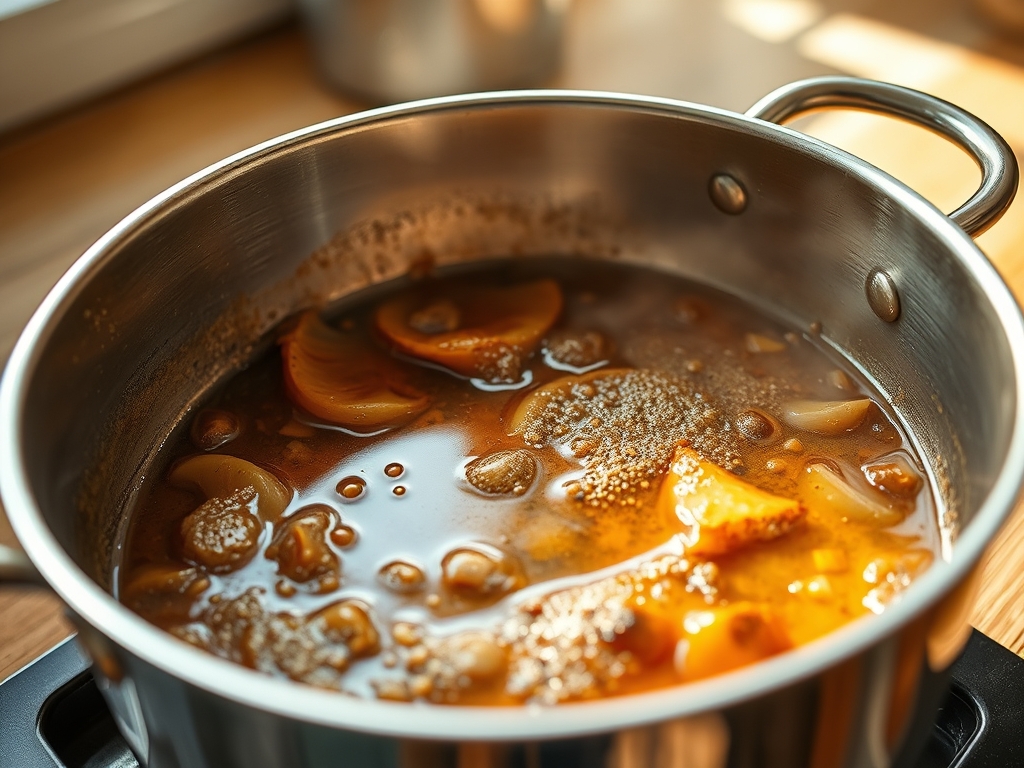
1. The Initial Hydration Phase
In a large glass or ceramic vessel, combine the Teff flour and room temperature water. Use a silicone spatula to incorporate the liquid until no dry pockets remain. The mixture should be thick and pasty. Cover the vessel with a breathable cloth.
Pro Tip: Use a digital scale for this step. Even a 10-gram variance in water can alter the pH levels during the three-day ferment, potentially stalling the development of the necessary lactic acid bacteria.
2. The Fermentation Vigil
Store the mixture in a dark, warm corner (70 to 75 degrees Fahrenheit). Over the next 48 to 72 hours, the Teff Seed Minerals will feed the wild yeast. You will see a layer of dark liquid, called "ersho," form on top. Do not discard this; it contains the concentrated flavor profile of the ferment.
Pro Tip: If the fermentation seems sluggish, use a digital thermometer to check the ambient temperature. If it is below 68 degrees, the yeast will go dormant. Move the vessel to the top of a refrigerator to utilize the radiant heat.
3. The Absit Development
On the final day, take 120ml of the fermented batter and whisk it into 120ml of boiling water in a small saucier. Cook over medium heat until it thickens into a translucent paste. Let it cool slightly, then whisk it back into the main batch. This creates the "Absit," the secret to the Injera's flexibility.
Pro Tip: This is a process of starch gelatinization. By pre-cooking a portion of the batter, you create a natural polymer that traps carbon dioxide, resulting in the iconic "eyes" or bubbles on the surface.
4. The Final Thinning and Pour
Add the salt and enough additional water to bring the batter to the consistency of heavy cream. Heat a non-stick crepe pan or a traditional "mitad" over medium-high heat. Pour the batter in a circular motion, starting from the outside and spiraling inward.
Pro Tip: Use a conical pitcher for the pour. A steady, uninterrupted flow ensures the batter spreads evenly before the heat sets the proteins, allowing the Teff Seed Minerals to distribute uniformly across the heat surface.
5. The Steam and Set
Once the bubbles (eyes) have formed across the entire surface, cover the pan with a tight-fitting lid. Steam for 30 to 60 seconds. Do not flip the Injera. Use a bench scraper or a thin offset spatula to gently lift the edges and slide it onto a cloth-lined surface to cool.
Pro Tip: The steam is what cooks the top of the bread. If you lack a tight seal, the top will remain gummy while the bottom burns. Ensure your lid is heavy enough to trap the moisture released by the batter.
Section B: Prep & Timing Fault-Lines:
The most common failure in Teff infrastructure is "The Rushed Ferment." If you attempt to bake before the 48-hour mark, the batter will lack the acidity required to weaken the starch bonds, resulting in a rubbery texture. Conversely, over-fermenting beyond 96 hours will lead to a structural collapse where the Injera falls apart when lifted. Monitor the "ersho" liquid; once it turns a deep amber, your timing is optimal.
THE VISUAL SPECTRUM
Section C: Thermal & Visual Troubleshooting:
Referencing the Masterclass photo, observe the "eyes." They should be uniform and cover at least 90% of the surface. If your Injera has "blind spots" (smooth patches without bubbles), your pan temperature is too low. The heat must be aggressive enough to trigger immediate gas expansion. If the edges are curling and brittle, your batter is too thin; the Teff Seed Minerals are too dispersed to hold moisture. If the color is dull gray rather than a rich, earthy brown, your flour may be oxidized. Always store Teff in an airtight, opaque container to preserve the pigment and mineral integrity.
THE DEEP DIVE
Macro Nutrition Profile
Teff is a nutritional powerhouse. A single serving of Injera provides approximately 7 grams of protein and 4 grams of fiber. However, the true value lies in the bioavailable iron. Because Teff is always consumed as a whole grain, the mineral density remains intact throughout the milling process. It is also low on the Glycemic Index, providing sustained energy without the insulin spikes associated with refined flours.
Dietary Swaps (Vegan/Keto/GF)
Teff is naturally gluten-free, making it the gold standard for Celiac-friendly infrastructure. To make this Keto-compliant, one would have to blend Teff with almond flour, though this compromises the traditional "eyes." For a vegan application, no changes are needed; the process is entirely plant-based by design.
Meal Prep & Reheating Science
To maintain the molecular structure of Injera, never reheat it in a microwave without protection. The electromagnetic waves agitate the water molecules too violently, leading to a "leathery" texture. Instead, wrap the Injera in a damp paper towel and steam it for 20 seconds. This re-hydrates the starch gel created during the "Absit" phase, restoring the bread's original suppleness.
THE KITCHEN TABLE
Why is my Injera sticking to the pan?
This usually indicates a failure in surface tension. Ensure your pan is seasoned or use a high-quality non-stick surface. Alternatively, your batter may be too sugar-heavy from under-fermentation; the lactic acid must consume those sugars to prevent sticking.
Can I use white Teff instead of brown?
Yes. White Teff is milder and often considered more "premium" in certain regions. However, brown Teff contains higher concentrations of Teff Seed Minerals and provides a more robust, earthy flavor profile that stands up well to spicy wats.
What is the liquid on top of my batter?
That is "ersho." It is a concentrated fermenting liquid. You can pour off the excess if you prefer a milder flavor, but keeping it ensures a more traditional, piquant tang and helps preserve the batter for longer periods.
My Injera is cracking when I roll it. Why?
This is a hydration failure. Either you skipped the "Absit" (pre-gelatinization) step, or you did not allow the Injera to cool under a cloth. The cloth traps residual steam, which softens the crust and ensures flexibility.