Imagine a sponge that has been engineered by a mad scientist to operate at the molecular level. You reach for a bag of coconut flour and expect the compliant behavior of wheat; instead, you have unleashed a hygroscopic beast. This is Coconut Flour Fiber in its raw, unyielding glory. It does not merely sit in a bowl; it actively hunts for moisture, seizing every drop of liquid in the vicinity to build a structural matrix that is both dense and delicate. To the uninitiated, it is a recipe killer. To the expert culinary architect, it is a high-performance substrate capable of creating textures that defy the standard laws of pastry. We are talking about a substance that can absorb up to eight times its weight in liquid. If you do not account for this hydraulic demand, your batter will transform into a desert landscape before it even touches the heat. This guide is your blueprint for mastering the infrastructure of this unique fiber, ensuring your bakes are moist, aerated, and structurally sound.
THE DATA MATRIX
| Metric | Specification |
|---|---|
| Prep Time | 15 Minutes |
| Execution Time | 25 Minutes |
| Yield | 12 Servings |
| Complexity (1-10) | 7 |
| Estimated Cost per Serving | $0.85 |
THE GATHERS
Ingredient Protocol:
- 120g / 1 cup Coconut Flour Fiber (Sifted)
- 6 Large Eggs (Room Temperature)
- 120ml / 0.5 cup Melted Grass-Fed Butter or Coconut Oil
- 60ml / 0.25 cup Raw Honey or Maple Syrup
- 5ml / 1 tsp Pure Vanilla Extract
- 2g / 0.5 tsp Sea Salt
- 5g / 1 tsp Baking Soda
- 15ml / 1 tbsp Apple Cider Vinegar
Section A: Ingredient Quality Audit:
The primary failure point in this protocol is clumped fiber. If your coconut flour has been exposed to humidity, it will form micro-nodules that refuse to hydrate. Technical Fix: Use a fine-mesh chinois to aerate the flour before measurement. If your eggs are cold, they will cause the melted fats to seize into waxy pellets. Technical Fix: Submerge cold eggs in a warm water bath for five minutes to ensure they reach the optimal 21 degrees Celsius for emulsification. If the baking soda is stale, the heavy fiber will not lift. Technical Fix: Test potency by dropping a pinch into vinegar; if it does not violently effervesce, discard it.
THE MASTERCLASS
Step 1: The Liquid Emulsification
Begin by whisking the eggs, melted fat, honey, and vanilla in a large stainless steel bowl. You are looking to create a stable emulsion where the lipids are fully integrated into the protein matrix of the eggs.
Pro Tip: Use a high-speed balloon whisk to aerate the mixture until micro-bubbles form. This mechanical aeration provides the initial lift that the heavy Coconut Flour Fiber will eventually rely on.
Step 2: Dry Integration and Sifting
Sift the coconut flour, salt, and baking soda directly over the wet ingredients. Do not dump them in all at once. Use a digital scale to ensure precision, as even a five-gram variance in fiber can turn a silky batter into a crumbly paste.
Pro Tip: The science of "thirst" starts here. Coconut flour contains high levels of cellulose and hemicellulose. These fibers require a "rest period" to fully hydrate. Let the batter sit for five minutes after the initial stir.
Step 3: The Acidic Catalyst
Add the apple cider vinegar last. This creates a chemical reaction with the baking soda, releasing carbon dioxide gas. Fold this in gently using a silicone bench scraper or spatula to avoid collapsing the air pockets you have worked so hard to create.
Pro Tip: The vinegar acts as a pH adjuster. Coconut flour is slightly alkaline; the acid balances the flavor profile and ensures a more tender crumb by weakening the tight protein bonds in the egg.
Step 4: Thermal Application
Distribute the batter into a pre-greased tin. Because coconut flour is highly prone to browning due to its natural sugar content, you must monitor the thermal load.
Pro Tip: Use an oven thermometer to verify your heat. Coconut flour bakes best at 175 degrees Celsius. If your oven runs hot, the exterior will undergo the Maillard reaction too quickly, leaving a gummy, undercooked core.
Section B: Prep & Timing Fault-Lines:
The most common human error is the "rush to bake." If you do not allow the five-minute hydration rest, the fiber will continue to pull moisture from the eggs during the baking process, leading to a cracked, dry surface. Another timing error involves the "over-mix." Once the vinegar is added, the clock is ticking. If you spend three minutes smoothing the top of the batter, you are losing the precious CO2 lift required for a light texture. Move with deliberate speed.
THE VISUAL SPECTRUM
Section C: Thermal & Visual Troubleshooting:
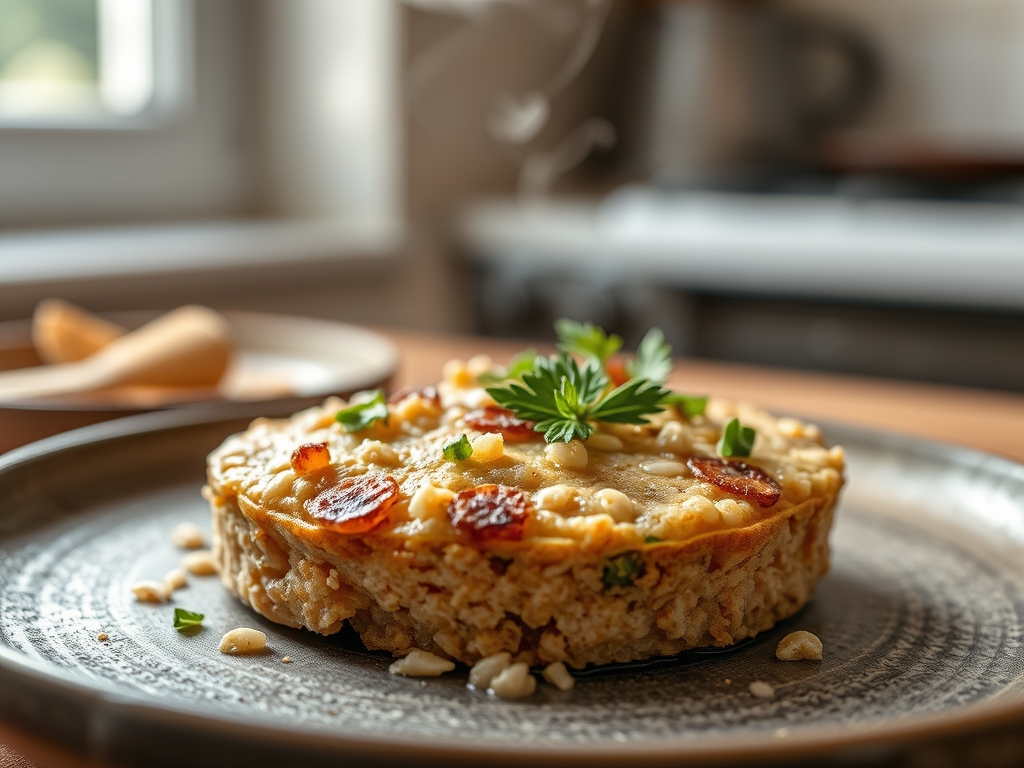
Look at the reference photo above. Notice the golden-brown perimeter and the matte, slightly porous surface. If your bake looks "wet" or shiny on top, you have an imbalance of fats or insufficient fiber hydration. If the edges are dark brown but the center is pale, your oven's convection fan may be too aggressive; shield the dish with foil. If you see large craters, you over-mixed the leavening agent. The goal is a uniform, tight crumb that looks like a fine-grained sponge. If the color is dull or greyish, your honey may have been too dark or your vanilla contained synthetic dyes.
THE DEEP DIVE
Macro Nutrition Profile:
Coconut flour is a nutritional powerhouse. Per 30g serving, you are looking at roughly 120 calories, 4g of fat, 10g of fiber, and 6g of protein. The net carb count is remarkably low, making it the gold standard for metabolic health.
Dietary Swaps:
- Vegan: Replace the six eggs with a "flax egg" (1 tbsp ground flax + 3 tbsp water per egg), but be warned: the structure will be much denser. You may need to add 2g of Xanthan gum to assist with binding.
- Keto: Swap honey for an erythritol-based syrup to drop the glycemic load to near zero.
Meal Prep & Reheating Science:
Coconut Flour Fiber is highly stable when frozen. To reheat, avoid the microwave as it can cause the fiber to become rubbery. Instead, use a toaster oven to infuse gentle dry heat back into the crumb, which helps to render any solidified fats and restores the original texture.
THE KITCHEN TABLE
Why is my coconut flour bread so soggy?
This is usually caused by under-baking or an insufficient egg-to-fiber ratio. The fiber needs heat to lock the structure. If the internal temperature doesn't reach 95 degrees Celsius, the moisture remains trapped, resulting in a "custardy" or soggy center.
Can I swap coconut flour for almond flour 1:1?
Absolutely not. Almond flour lacks the intense hygroscopic properties of Coconut Flour Fiber. A 1:1 swap will result in a liquid soup. Generally, you only need 1/4 to 1/3 the amount of coconut flour compared to other nut flours.
How do I stop the "eggy" taste?
Increase your aromatics. Use a high-quality vanilla bean paste or infuse the melted butter with lemon zest. The eggs are necessary for the structural integrity of the fiber, but their flavor can be masked with piquant spices like cinnamon.
Does brand matter when buying coconut flour?
Yes. Look for "defatted" and "finely ground" on the label. Coarse coconut flour will result in a gritty mouthfeel. The finer the grind, the better the fiber can viscously bond with your liquid ingredients for a professional finish.