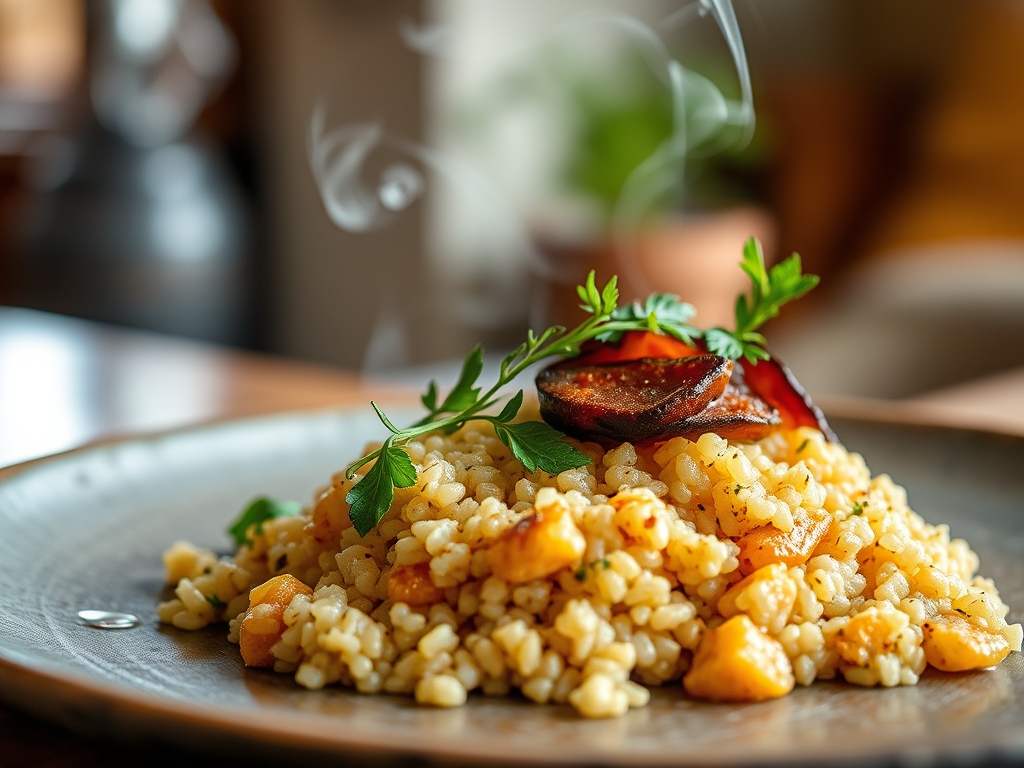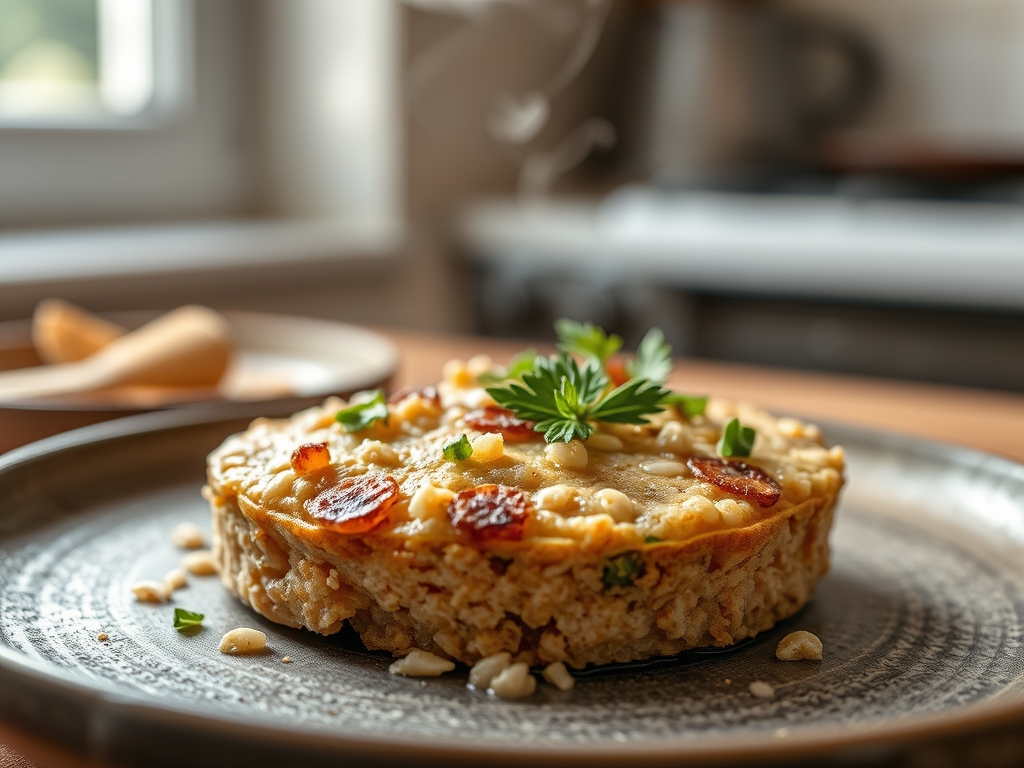
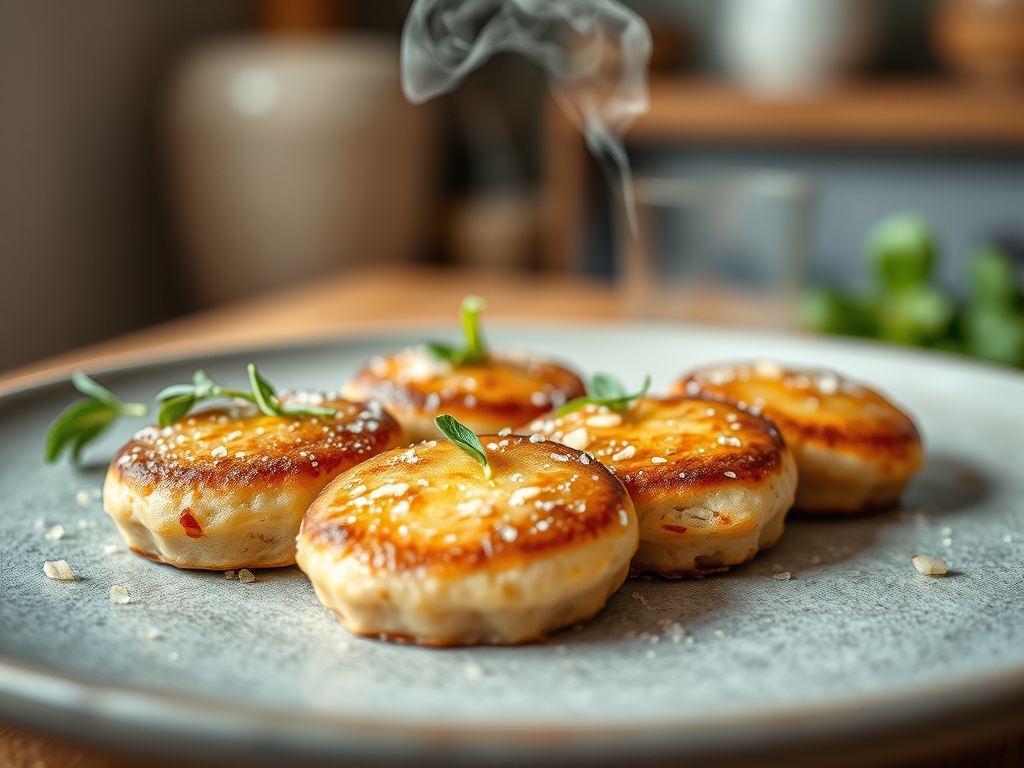
Stop treating your kitchen like a hobbyist's sandbox and start viewing it as a high-performance laboratory where lipids and proteins collide. We are moving beyond the sluggish, insulin-spiking world of refined wheat. When you pivot to nut-based architecture, you are not just swapping powders; you are re-engineering the metabolic impact of every bite. The central nervous system of this operation is understanding Almond Flour Glycemics. Unlike the rapid glucose flooding triggered by traditional starches, almond flour offers a steady, controlled release of energy. This is due to its high fat-to-carb ratio and significant fiber content. We are hunting for that perfect crumb structure without the systemic inflammatory response. Imagine a cake that behaves like a fuel cell rather than a sugar bomb. We are looking for a golden, Maillard-driven crust and a moist, dense interior that carries the weight of premium fats. This audit will dismantle your misconceptions about gluten-free baking and replace them with a rigorous, data-driven protocol for the ultimate lipid-based sponge. Prepare your station; we are about to optimize your output.
THE DATA MATRIX
| Metric | Value |
|---|---|
| Prep Time | 20 Minutes |
| Execution Time | 45 Minutes |
| Yield | 12 Servings |
| Complexity (1-10) | 6 |
| Estimated Cost per Serving | $1.45 |
THE GATHERS
Ingredient Protocol:
- Super-Fine Blanched Almond Flour: 300g / 3 cups
- Large Organic Eggs (Room Temp): 4 units
- Erythritol or Allulose: 150g / 0.75 cups
- Unsalted Grass-Fed Butter (Melted): 115g / 0.5 cups
- Full-Fat Greek Yogurt: 120ml / 0.5 cups
- Pure Vanilla Bean Paste: 10ml / 2 tsp
- Aluminum-Free Baking Powder: 10g / 2 tsp
- Fine Sea Salt: 2g / 0.25 tsp
Section A: Ingredient Quality Audit:
The most common failure point is the particle size of your almond flour. If your flour feels gritty between your thumb and forefinger, your crumb will be disastrously heavy. To fix this, pulse the flour in a high-speed blender for ten seconds to aerate and refine the texture. Another critical failure is using cold eggs. Cold eggs will cause your melted lipids to seize, creating a broken emulsion. If you forgot to pull them from the fridge, submerge the eggs in a bowl of warm water for five minutes to reach the optimal 21 degrees Celsius. Finally, ensure your baking powder is active; drop a pinch into hot water. If it does not aggressively bubble, discard it. Stale leavening agents are the primary cause of dense, brick-like nut bakes.
THE MASTERCLASS
1. The Lipid-Sugar Suspension
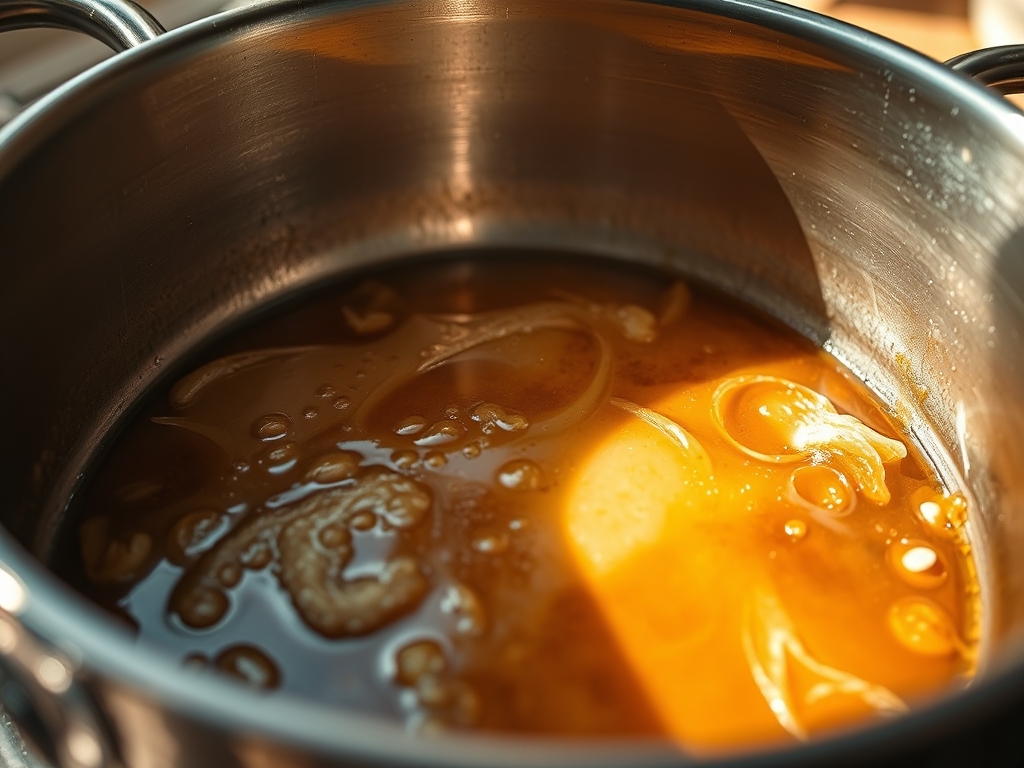
Place your sweetener and melted butter into a stainless steel mixing bowl. Use a whisk to vigorously combine until the mixture is pale and slightly viscous. You are not just mixing; you are creating a suspension that will trap air once the proteins are introduced.
Pro Tip: Use a digital scale for this step rather than volume cups. Accuracy in the lipid-to-sweetener ratio is vital for maintaining the structural integrity of Almond Flour Glycemics. Even a 5-gram variance can alter the moisture migration during the bake.
2. Protein Integration and Aeration
Add the eggs one at a time, whisking thoroughly after each addition. This is where you build the protein lattice that replaces gluten. Once the eggs are in, fold in the Greek yogurt and vanilla bean paste until the mixture is glossy and homogenous.
Pro Tip: Use a silicone spatula to scrape the "dead zones" at the bottom of the bowl. Professional bakers know that unmixed pockets of fat will create "oil slicks" in the finished product, ruining the crumb uniformity.
3. Dry Component Sifting
In a separate vessel, sift the almond flour, baking powder, and salt. Sifting is non-negotiable. Almond flour is prone to clumping due to its high oil content. Gradually fold the dry ingredients into the wet assembly using a gentle "over-and-under" motion.
Pro Tip: Do not overwork the batter. Unlike wheat flour, you aren't developing gluten, but you can over-extract the almond oils, leading to a greasy finish. A bench scraper can be used here to ensure no dry flour remains trapped at the base.
4. Thermal Transition
Transfer the batter into a lined springform pan. Smooth the surface with an offset spatula. Place the pan in a preheated oven at 165 degrees Celsius (325 degrees Fahrenheit). The lower temperature is necessary because nut-based fats oxidize and burn faster than grain-based starches.
Pro Tip: Use an oven thermometer to verify your internal temperature. Most home ovens fluctuate by 15 degrees, which is the difference between a golden crust and a scorched exterior.
Section B: Prep & Timing Fault-Lines:
Timing is the silent killer in lipid-based baking. If you leave the batter sitting on the counter for too long, the baking powder will exhaust its CO2 production before it even hits the heat. You must have your oven preheated and your pan prepped before the wet and dry ingredients touch. Furthermore, do not open the oven door during the first 30 minutes. A sudden drop in temperature will cause the delicate protein structure to collapse, resulting in a sunken center that no amount of frosting can save.
THE VISUAL SPECTRUM
Section C: Thermal & Visual Troubleshooting:
Referencing the Masterclass photo, you are looking for a deep, amber-gold surface. If your bake looks pale and anemic, your oven temperature was likely too low, or you used a sweetener that does not participate in the Maillard reaction, such as stevia. If the edges are dark but the center is wobbling, your pan is too small for the volume of batter. The photo shows a consistent, tight crumb with no large air pockets. If you see large holes, you over-aerated the eggs or failed to tap the pan on the counter to release trapped gas. A dull, matte finish on top suggests the fats have separated; ensure your emulsion is tight and glossy before baking.
THE DEEP DIVE
Macro Nutrition Profile: This protocol yields a superior metabolic profile. Each serving contains approximately 220 calories, 18g of healthy fats, 8g of protein, and only 4g of net carbohydrates. The impact on Almond Flour Glycemics is minimal, making it an ideal choice for sustained cognitive performance without the mid-afternoon crash.
Dietary Swaps: To make this vegan, replace the eggs with a "flax egg" (1 tbsp ground flax to 3 tbsp water) and use coconut yogurt and avocado oil. For a strict Keto version, ensure your sweetener is 100% Allulose, which has a zero-glycemic index and behaves most like sucrose in thermal applications.
Meal Prep & Reheating Science: To maintain the molecular structure, store the finished product in an airtight glass container at room temperature for 48 hours, or refrigerate for up to a week. When reheating, avoid the microwave, which turns nut-fats rubbery. Use a toaster oven at 150 degrees Celsius for five minutes to render the fats slightly and restore the original crumb texture.
THE KITCHEN TABLE
How does almond flour affect blood sugar?
Almond Flour Glycemics are remarkably low. Because it is packed with fiber and healthy fats, it slows the absorption of sugars into the bloodstream. This prevents the insulin spikes associated with traditional white or wheat flours.
Can I substitute almond meal for almond flour?
Negative. Almond meal includes the skins, which adds excess moisture and a gritty texture. For a professional-grade crumb, always use super-fine blanched almond flour. The skins contain tannins that can produce a bitter, piquant aftertaste in delicate bakes.
Why did my almond flour cake sink in the middle?
This is usually a result of under-baking or too much leavening agent. The protein structure in nut-based bakes is more fragile than gluten. If the internal temperature doesn't reach 98 degrees Celsius, the structure won't set.
Does almond flour expire faster than wheat flour?
Yes. The high lipid content means it can go rancid. Always store your almond flour in the freezer or a cool, dark pantry. If it smells like paint or old cardboard, the oils have oxidized; discard it immediately.