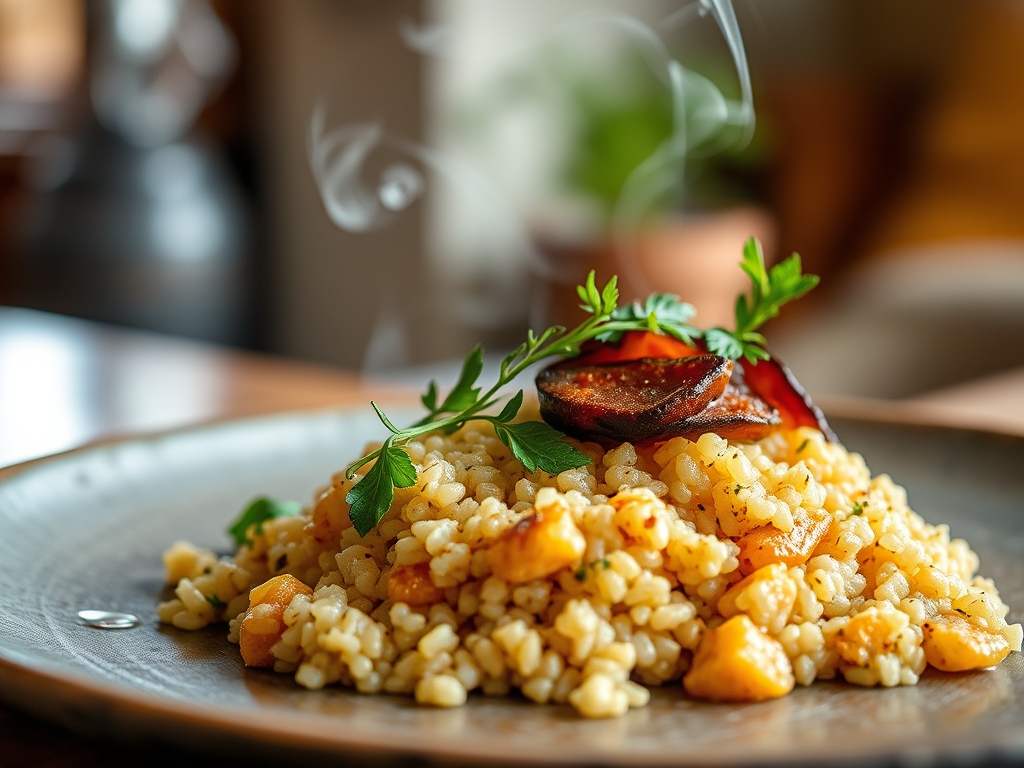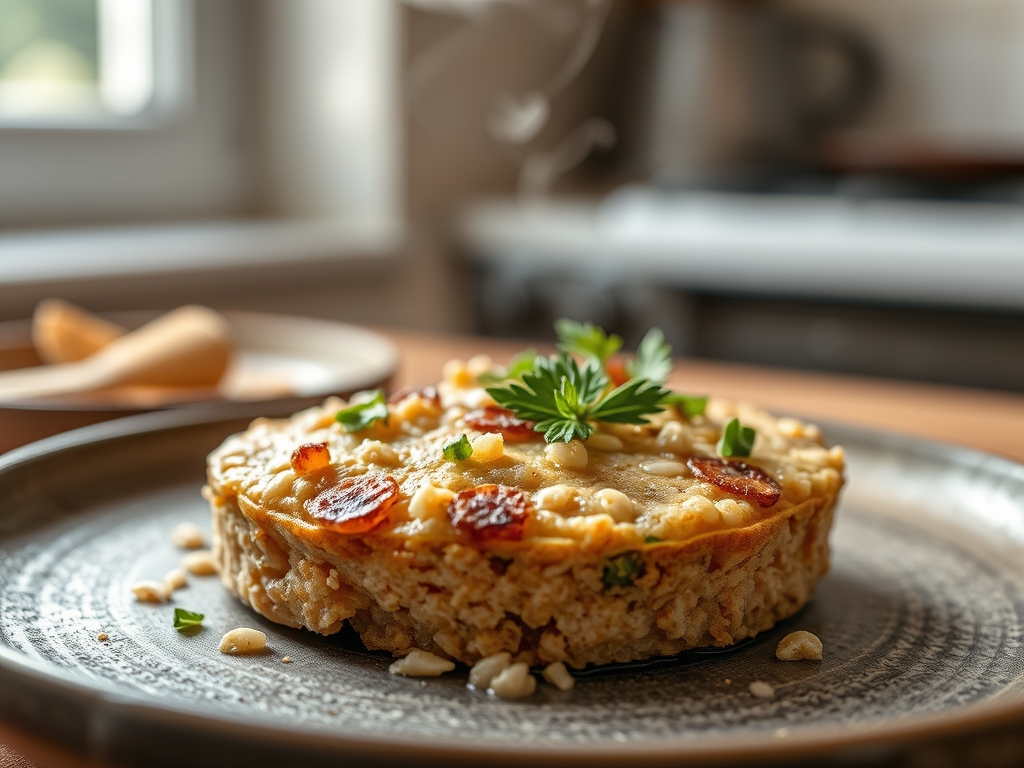
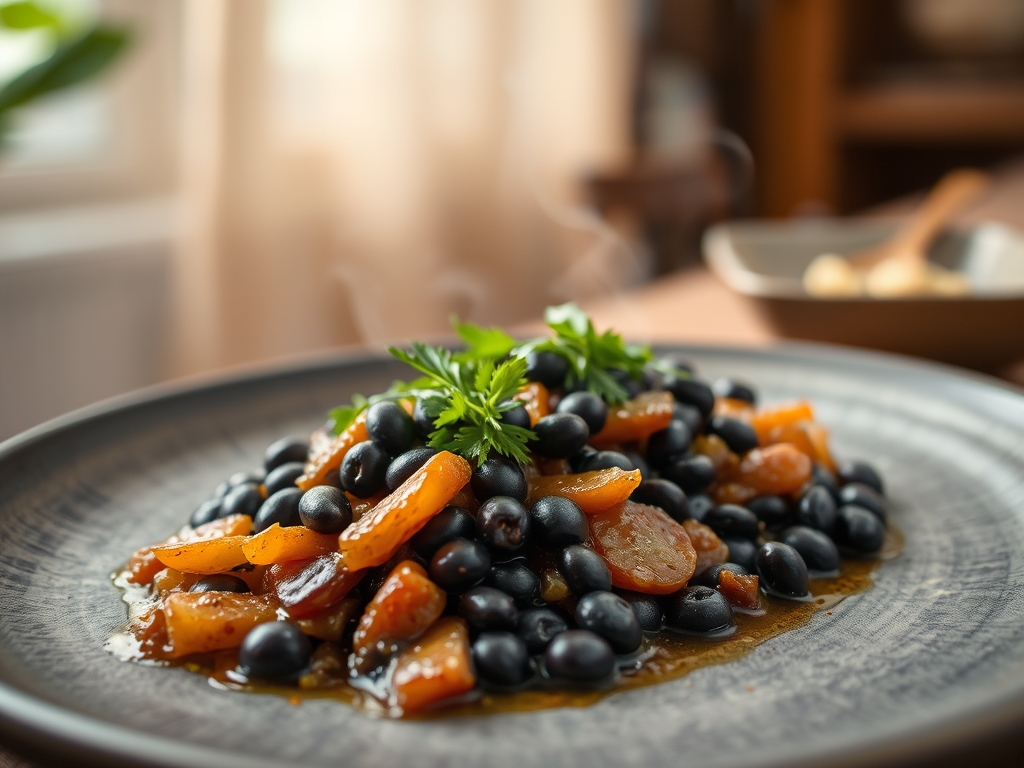
Forget everything you know about the humble legume; we are entering the realm of architectural nutrition. When you crack open a pressurized vessel of simmered obsidian pearls, you are not just looking at dinner; you are looking at a structural masterpiece of anthocyanin-rich fiber. The concept of Black Bean Satiety is not a mere feeling of fullness. It is a biological lockout. These dark gems possess a dense molecular matrix that resists rapid enzymatic breakdown; this ensures a slow, steady release of energy that keeps your metabolic furnace humming without the dreaded post-meal crash. We are talking about a viscous slurry of complex carbohydrates and plant-based proteins that coat the stomach lining, signaling the brain that the hunt is over. The deep, midnight pigment is more than just aesthetic. It is a concentrated dose of antioxidants that provides a piquant earthy depth to the palate. Today, we audit the infrastructure of the ultimate black bean stew, turning a pantry staple into a high-performance fuel source that defies the laws of standard digestion.
THE DATA MATRIX
| Metric | Specification |
|---|---|
| Prep Time | 20 Minutes |
| Execution Time | 90 Minutes |
| Yield | 6 Servings |
| Complexity (1-10) | 4 |
| Estimated Cost per Serving | $1.25 |
THE GATHERS
Ingredient Protocol:
- 500g / 2 cups Dried Black Turtle Beans (Soaked 8 hours)
- 1.5L / 6 cups Alkaline Water or Low-Sodium Vegetable Stock
- 30ml / 2 tbsp Extra Virgin Olive Oil
- 200g / 1 large Spanish Onion (Fine Dice)
- 45g / 3 cloves Garlic (Microplaned)
- 10g / 2 tsp Smoked Paprika (Pimenton de la Vera)
- 5g / 1 tsp Cumin Seeds (Toasted and Ground)
- 2 Large Bay Leaves
- 15ml / 1 tbsp Apple Cider Vinegar
- 10g / 2 tsp Sea Salt (Adjust to taste)
Section A: Ingredient Quality Audit:
If your dried beans have been sitting in the pantry since the previous administration, they will likely suffer from "hard-to-cook" syndrome. This is caused by the lignification of the cell walls. To fix this, add 1g of baking soda to the soaking water to increase the pH; this helps break down the hemicellulose. If your spices lack a piquant punch, they have oxidized. Revive them by dry-toasting in a stainless steel pan for 30 seconds until the volatile oils aerate and become fragrant. Never use pre-minced garlic from a jar. The sulfur compounds have already degraded into a bitter, metallic mess. Use a microplane for a fine paste that melts into the base.
THE MASTERCLASS
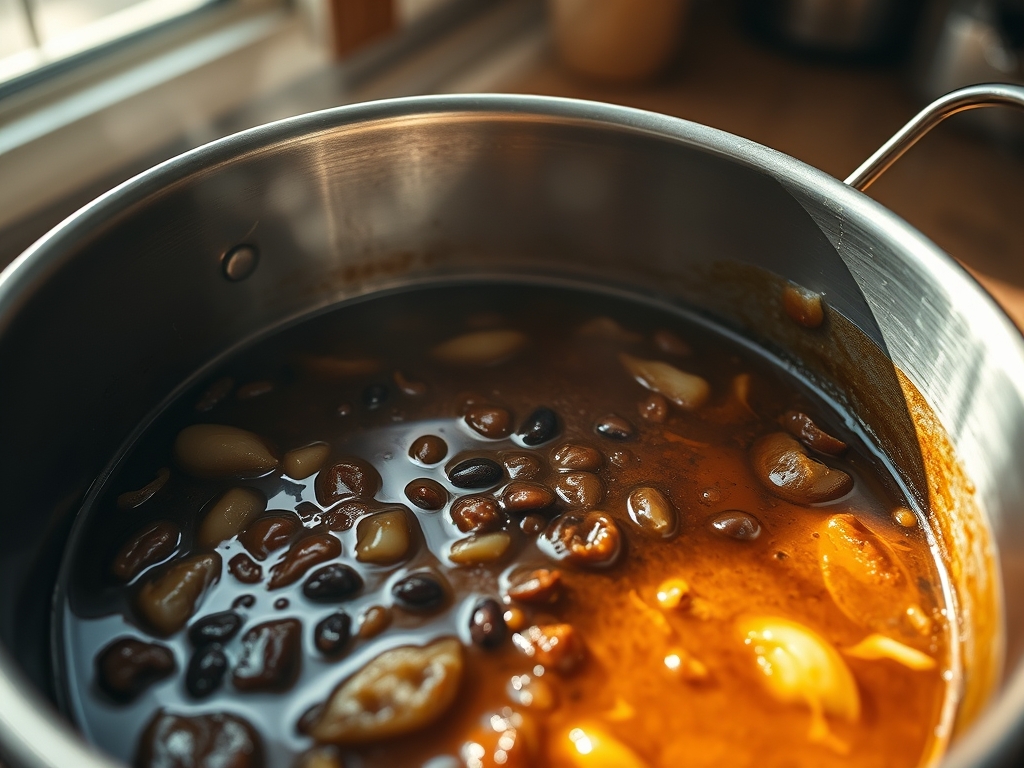
Step-by-Step Execution:
1. The Aromatics Foundation
Heat your saucier over medium-high heat and add the olive oil. Once the oil begins to shimmer, introduce the diced onions. Sauté until they are translucent and begin to render their natural sugars. Use a bench scraper to move your prep from the board to the pan efficiently.
Pro Tip: This stage is about building the "sofrito" base. By slowly sweating the onions, you are creating a flavor foundation that anchors the Black Bean Satiety. The science here is the Maillard reaction, which creates complex flavor molecules through the interaction of amino acids and reducing sugars.
2. Spice Activation and Deglazing
Add the microplaned garlic, cumin, and smoked paprika. Stir constantly for 60 seconds to prevent burning. Immediately add the apple cider vinegar to deglaze the pan, scraping up any browned bits (fond) from the bottom.
Pro Tip: Acid management is crucial. Adding the vinegar now helps set the color of the anthocyanins and prevents the beans from becoming a dull grey. Using a digital scale for your spices ensures consistency across every batch you produce.
3. The Hydration Phase
Drain your soaked beans and add them to the pot along with the alkaline water or stock and bay leaves. Bring the mixture to a rolling boil for 10 minutes to neutralize lectins, then reduce to a low simmer. Cover the pot partially to allow for controlled evaporation.
Pro Tip: Maintaining a gentle simmer rather than a violent boil prevents the bean skins from rupturing prematurely. This preserves the structural integrity required for maximum Black Bean Satiety, as intact skins slow down the digestive process.
4. The Emulsification Finish
Once the beans are tender (usually 60 to 75 minutes), take a potato masher or a heavy spoon and crush about 10 percent of the beans against the side of the pot. Stir vigorously to infuse the released starches into the liquid, creating a viscous, creamy texture without adding dairy.
Pro Tip: This is a mechanical emulsification. The released starches act as a natural thickener, binding the oil and water-based liquids into a cohesive sauce. Check the final weight on your digital scale to ensure the yield meets your meal prep requirements.
Section B: Prep & Timing Fault-Lines:
The most common failure in bean cookery is the "Salt Prematurity" error. If you salt the beans before the skins have softened, the sodium ions will interfere with the hydration of the starch granules, resulting in a perpetually crunchy texture. Always salt during the final 15 minutes of simmering. Additionally, if your simmer temperature exceeds 212 degrees Fahrenheit (100 Celsius) for too long, the beans will turn into a mushy paste, destroying the textural contrast that defines high-quality infrastructure.
THE VISUAL SPECTRUM
Section C: Thermal & Visual Troubleshooting:
Referencing the Masterclass photo, your final product should display a deep, glossy obsidian sheen. If the beans look dull or dusty, it indicates a lack of fat or an over-reduction of the liquid. Stir in a teaspoon of fresh oil to restore the luster. If the liquid is too thin, continue to render the moisture out by simmering uncovered for an additional 10 minutes. The visual cue for perfection is "The Coating Test": the liquid should thick enough to coat the back of a spoon without immediately running off. If you see broken skins and "blowouts," your heat was too high; next time, use a heat diffuser to manage the thermal load.
THE DEEP DIVE
Macro Nutrition Profile:
A single serving (approx. 250g) provides 15g of protein, 12g of dietary fiber, and only 1g of fat. The high fiber-to-protein ratio is the engine behind Black Bean Satiety, ensuring a low glycemic index.
Dietary Swaps:
- Vegan: This protocol is inherently vegan.
- Keto: Replace 50 percent of the beans with roasted cauliflower florets to reduce the net carb count, though this will significantly alter the anthocyanin profile.
- GF: Naturally gluten-free; ensure your vegetable stock is certified.
Meal Prep & Reheating Science:
When reheating, the starches undergo retrogradation, where they crystallize and become "resistant starch." This actually increases the satiety factor of the dish. To maintain the molecular structure, reheat slowly on the stovetop with a splash of water to prevent the viscous sauce from scorching. Avoid the microwave if possible, as it can cause uneven heating and localized "explosions" of the bean interiors.
THE KITCHEN TABLE
Why are my beans still hard after two hours?
Your beans are likely old or your water is "hard" (high in calcium). Add a pinch of baking soda to the pot to soften the water and accelerate the breakdown of the bean's cellular walls.
Can I use canned beans for this?
You can, but you sacrifice the structural integrity. Canned beans are often over-processed; this reduces the Black Bean Satiety effect. If using canned, reduce the simmering time to 15 minutes and skip the soaking phase.
What does the apple cider vinegar actually do?
The acid acts as a flavor brightener and a color stabilizer. It cuts through the heavy starch and balances the earthy notes of the cumin and paprika, providing a piquant finish that wakes up the palate.
How do I store leftovers without them turning into a brick?
Store in an airtight container with a bit of extra liquid. The beans will continue to absorb moisture as they cool. Adding that extra splash of stock before refrigeration ensures they remain supple for the next day.