Imagine a coastal gale ripping through a laboratory kitchen; that is the energy required to master the brine. We are not just cooking here. We are conducting a high-stakes audit of cellular health and microbial diversity. Dulse Seaweed Iodine is the star of this infrastructure; it is the mineral-dense fuel that keeps the thyroid furnace burning at peak efficiency. When you sear this crimson macroalgae, it transforms. The scent shifts from a sharp, oceanic brine to a smoky, bacon-like umami that coats the palate. This is the "Bacon of the Sea," but with a nutritional profile that would make a biohacker weep with joy. We are targeting a viscous, fermented emulsion that marries the prebiotic power of dulse with the probiotic punch of a long-form ferment. It is salty, it is piquant, and it is the structural foundation of a metabolism-first diet. If your kitchen does not smell like a salty forge and a redwood forest had a baby, you are doing it wrong. Let us build this.
THE DATA MATRIX
| Metric | Specification |
|---|---|
| Prep Time | 25 Minutes |
| Execution Time | 45 Minutes |
| Yield | 500ml / 2 Cups |
| Complexity | 7/10 |
| Estimated Cost per Serving | $1.15 |
THE GATHERS
Ingredient Protocol:
- 50g / 1.75oz Dried Whole Leaf Dulse (High-grade Dulse Seaweed Iodine source)
- 250ml / 1 cup Filtered Water (Zero chlorine to protect microbes)
- 15ml / 1 tbsp Raw Unfiltered Apple Cider Vinegar
- 5g / 1 tsp Fine Sea Salt (Non-iodized for the ferment)
- 2 cloves / 10g Garlic (Smashed to release allicin)
- 120ml / 0.5 cup Neutral Cold-Pressed Oil (To emulsify)
- 2g / 0.5 tsp Smoked Paprika (To bridge the smoky notes)
Section A: Ingredient Quality Audit:
If your dulse arrives brittle and grey, it has oxidized. This ruins the Dulse Seaweed Iodine bioavailability. To fix this, infuse the leaves in lukewarm water for five minutes before starting; this rehydrates the cellular walls. If your oil is rancid, the entire ferment will taste like old paint. Always test your oil by smelling it at room temperature. If it lacks a clean, neutral scent, discard it. For the garlic, if you see a green sprout in the center, remove it. That sprout carries a bitter, sulfurous bite that will dominate the delicate sea notes.
THE MASTERCLASS
Step 1: The Thermal Activation
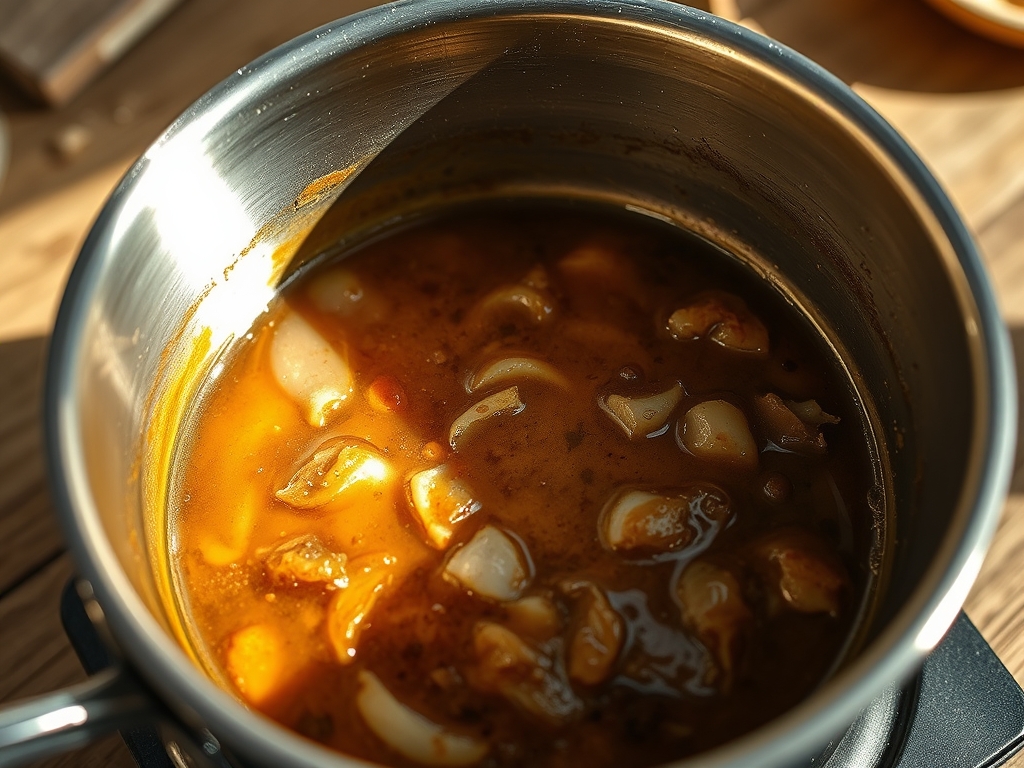
Place your dried dulse in a dry saucier over medium-high heat. Toast the leaves for 90 seconds until they turn slightly translucent and crisp. This process initiates the Maillard reaction, converting simple sugars and amino acids into complex, savory flavor compounds.
Pro Tip: Use a digital scale to ensure your dulse-to-liquid ratio is exact. Over-toasting will burn the delicate iodine compounds; you are looking for a shift in color, not a blackened char.
Step 2: The Hydration Infusion
Add your filtered water and garlic to the pan. Bring to a simmer for 10 minutes. This will render the tough fibers of the seaweed into a soft, workable texture while pulling the minerals into the liquid base.
Pro Tip: Use a silicone spatula to scrape the bottom of the pan. You are looking to deglaze any salty residue that stuck during the toasting phase; this is where the concentrated umami lives.
Step 3: The Microbial Inoculation
Remove from heat and allow the mixture to cool to exactly 38C / 100F. Stir in the apple cider vinegar and salt. Transfer the mixture to a sterilized glass jar, ensuring all solids are submerged.
Pro Tip: Use an infrared thermometer to check the temperature. If the liquid is too hot, you will kill the beneficial enzymes in the raw vinegar, neutralizing the probiotic synergy we are trying to build.
Step 4: The Emulsified Finish
After a 24-hour room temperature rest, pour the contents into a high-speed blender. While the motor is running, slowly drizzle in your oil to aerate and create a stable, creamy emulsion.
Pro Tip: A bench scraper is excellent for gathering any stray dulse bits from your cutting board to ensure zero waste of your high-value minerals.
Section B: Prep & Timing Fault-Lines:
The most common failure is rushing the cooling phase. If you blend while the mixture is steaming, the heat will break the emulsion, resulting in a greasy, separated mess rather than a viscous cream. Another timing error is the ferment duration. If left for more than 48 hours at room temperature, the dulse can become overly mushy. Stick to the 24-hour window for the best structural integrity.
THE VISUAL SPECTRUM
Section C: Thermal & Visual Troubleshooting:
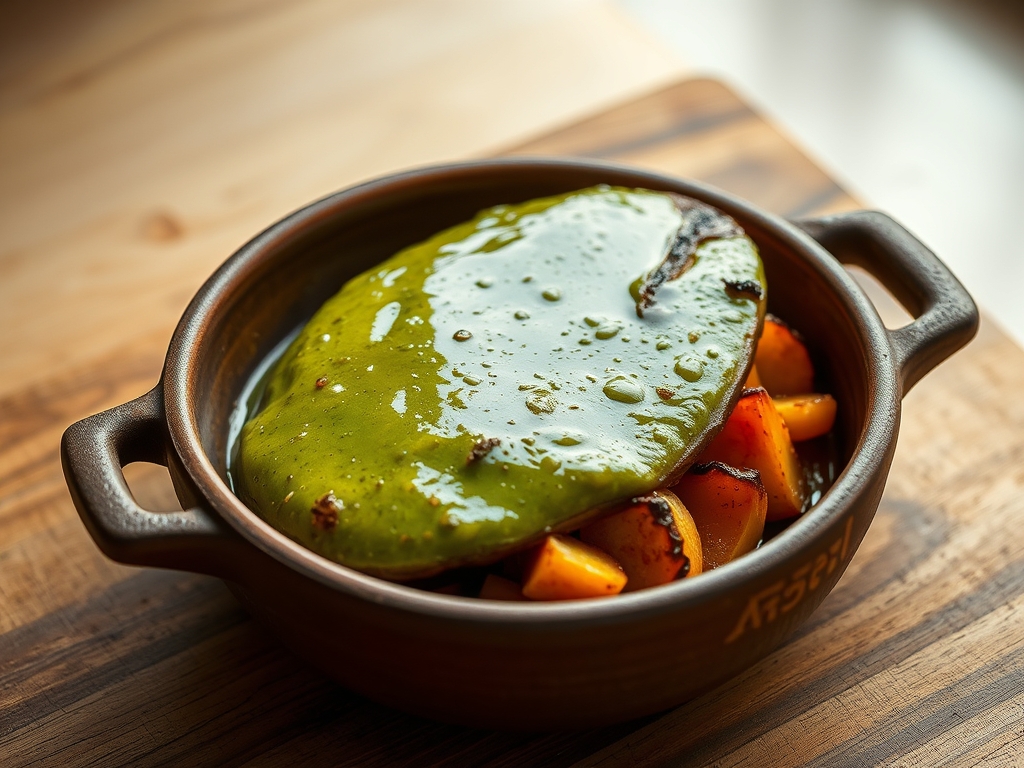
Look at the Masterclass photo above. Notice the deep, sunset-purple hue of the emulsion; this indicates the Dulse Seaweed Iodine has been properly preserved. If your sauce looks muddy or brown, you likely overheated the dulse during the toasting phase. If you see white flecks, your salt hasn't fully dissolved. To fix a "broken" look where oil sits on top, add one teaspoon of warm water and re-blend at high speed to force the molecules back into a stable state. The texture should be thick enough to coat the back of a spoon without running off instantly.
THE DEEP DIVE
Macro Nutrition Profile:
This infrastructure is designed for metabolic support. Per serving (2 tablespoons), you are looking at 90 calories, 9g of healthy fats, 2g of fiber, and 150% of your RDA for iodine. The sodium content is naturally occurring from the sea, which includes essential trace minerals like magnesium and potassium.
Dietary Swaps:
- Vegan: This recipe is naturally plant-based.
- Keto: The low carbohydrate count makes this an ideal fat-bomb dressing.
- GF: Ensure your apple cider vinegar is certified gluten-free, though most naturally are.
Meal Prep & Reheating Science:
To maintain the molecular structure, do not microwave this sauce. High-frequency waves will shatter the emulsion. Instead, place the jar in a bowl of warm water for ten minutes to take the chill off. It stays stable in the refrigerator for up to 14 days. The fermentation process actually improves the flavor over the first 72 hours as the garlic and seaweed notes marry.
THE KITCHEN TABLE
How do I know if the dulse is high quality?
Look for deep purple or red colors and a flexible texture. Avoid dulse that looks dusty or grey. High-quality Dulse Seaweed Iodine sources should smell like the ocean, not like old fish or chemicals.
Can I use a food processor instead of a blender?
A food processor lacks the RPMs to create a truly viscous emulsion. It will taste the same, but the texture will be grainy. For a professional, silky finish, a high-speed blender is the required infrastructure.
Is the salt necessary for the fermentation?
Yes. Salt acts as a safety barrier, preventing the growth of "bad" bacteria while allowing the beneficial microbes to thrive. It also helps break down the seaweed's cellular walls to release more nutrients into the sauce.
Why does my sauce taste too metallic?
This usually happens if you used tap water. The minerals in tap water can react with the iodine in the seaweed. Always use filtered or distilled water to ensure a clean, piquant flavor profile without the "copper" aftertaste.