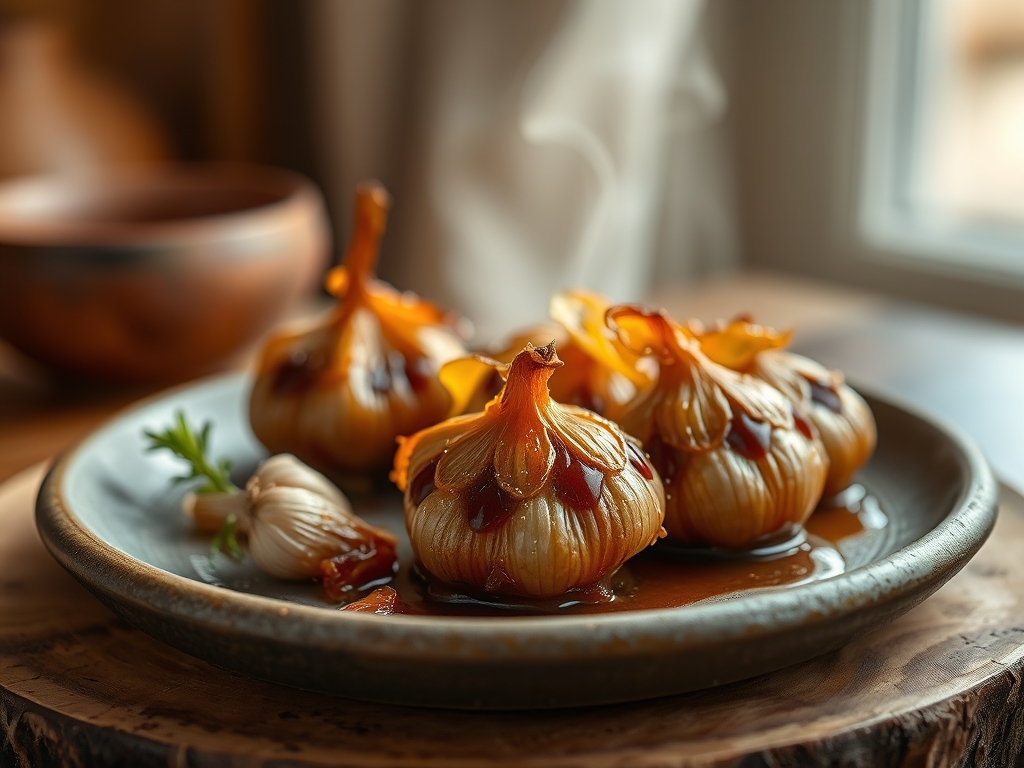
Imagine a glass jar vibrating with invisible kinetic energy as raw, piquant cloves of garlic surrender their structural integrity to a sea of liquid gold. This is not mere preservation; it is a molecular heist. When you combine raw garlic with unpasteurized honey, you are initiating a biological reactor that transforms harsh, sulfurous bites into mellow, umami-rich jewels. The process relies on the osmotic pressure of the honey to draw out the moisture from the garlic, thinning the honey into a viscous syrup while the garlic undergoes a slow, enzymatic transformation. This is Fermented Honey Garlic, the ultimate infrastructure of flavor. As the weeks pass, the allicin in the garlic reacts with the complex sugars, creating a profile that is simultaneously sweet, funky, and deeply savory. It is the secret weapon of the modern pantry, capable of elevating a simple glaze or a complex marinade with a single spoonful of its potent, infused nectar. Get ready to audit your kitchen standards; we are building a foundation of fermented excellence.
THE DATA MATRIX
| Metric | Specification |
|---|---|
| Prep Time | 20 Minutes |
| Execution Time | 14 to 30 Days (Fermentation) |
| Yield | 500ml / 2 Cups |
| Complexity (1-10) | 2 (Low effort, high patience) |
| Estimated Cost per Serving | $0.25 USD |
THE GATHERS
Ingredient Protocol:
- Fresh Garlic Cloves: 250g / approx. 4 to 5 heads.
- Raw, Unpasteurized Honey: 350ml / 1.5 cups.
- Apple Cider Vinegar (Optional): 15ml / 1 tablespoon (to adjust pH).
- Red Chili Flakes (Optional): 2g / 0.5 teaspoon (for heat).
Section A: Ingredient Quality Audit:
The primary failure point in this protocol is the use of processed honey. If your honey has been pasteurized or ultra-filtered, the wild yeasts and enzymes required for fermentation have been neutralized. You will end up with garlic sitting in syrup rather than a living ferment. Ensure your honey is labeled "Raw" and "Unfiltered" to guarantee microbial activity. Secondly, avoid pre-peeled garlic from the grocery store. These cloves are often treated with chemicals or water-blanched to loosen skins, which compromises the moisture content and introduces unwanted pathogens. Use whole heads and peel them manually to maintain the cellular integrity of the clove. If your honey is too thick to pour, do not microwave it; instead, place the jar in a warm water bath at 35C / 95F to lower the viscosity without killing the beneficial bacteria.
THE MASTERCLASS
Step-by-Step Execution:
1. Clove Preparation and Mechanical Bruising
Peel the garlic cloves carefully, ensuring you remove the woody basal plate. Use a bench scraper to lightly press down on each clove. You do not want to crush them into a paste; you simply want to create micro-fissures in the surface.
Pro Tip: This mechanical bruising breaks the cell walls and allows the enzyme alliinase to convert alliin into allicin. This chemical reaction is the source of the garlic's health benefits and its signature piquant aroma.
2. Sanitization and Loading
Thoroughly clean a wide-mouth glass jar. Place the jar on a digital scale and tare it to zero before adding your garlic cloves. Fill the jar no more than two-thirds full to allow for gas expansion.
Pro Tip: Using a scale ensures you maintain a proper ratio of garlic to honey. Too much garlic can raise the water activity level too high, potentially inviting spoilage rather than fermentation.
3. The Honey Submersion
Pour the raw honey over the cloves until they are completely submerged. Leave at least 2cm / 1 inch of headspace at the top of the jar. Use a clean silicone spatula to stir the mixture, ensuring no air pockets remain trapped at the bottom.
Pro Tip: In the initial stages, the garlic will float. This is normal. The honey acts as a hypertonic solution, drawing water out of the garlic via osmosis, which eventually thins the honey and allows the garlic to sink.
4. The Burping Protocol
Close the lid loosely or use a fermentation lid with a one-way valve. Store the jar in a dark place at room temperature. Every 24 hours for the first week, flip the jar upside down to coat the floating cloves and then "burp" the lid to release accumulated carbon dioxide.
Pro Tip: This gas release is a byproduct of yeast consuming the sugars. If you use a standard airtight jar without burping, the internal pressure can lead to a structural failure of the glass.
Section B: Prep & Timing Fault-Lines:
Temperature control is the silent regulator of fermentation speed. If your kitchen is below 18C / 64F, the microbial activity will stall, leading to a sluggish ferment that lacks depth. Conversely, temperatures above 27C / 80F can cause the honey to ferment too rapidly, resulting in a thin, alcoholic "off" flavor. Aim for a consistent "sweet spot" of 21C / 70F. If you notice the honey becoming excessively watery within the first three days, your garlic may have had a high water content. Add a teaspoon of apple cider vinegar to lower the pH and inhibit the growth of Clostridium botulinum, ensuring a safe and acidic environment.
THE VISUAL SPECTRUM
Section C: Thermal & Visual Troubleshooting:
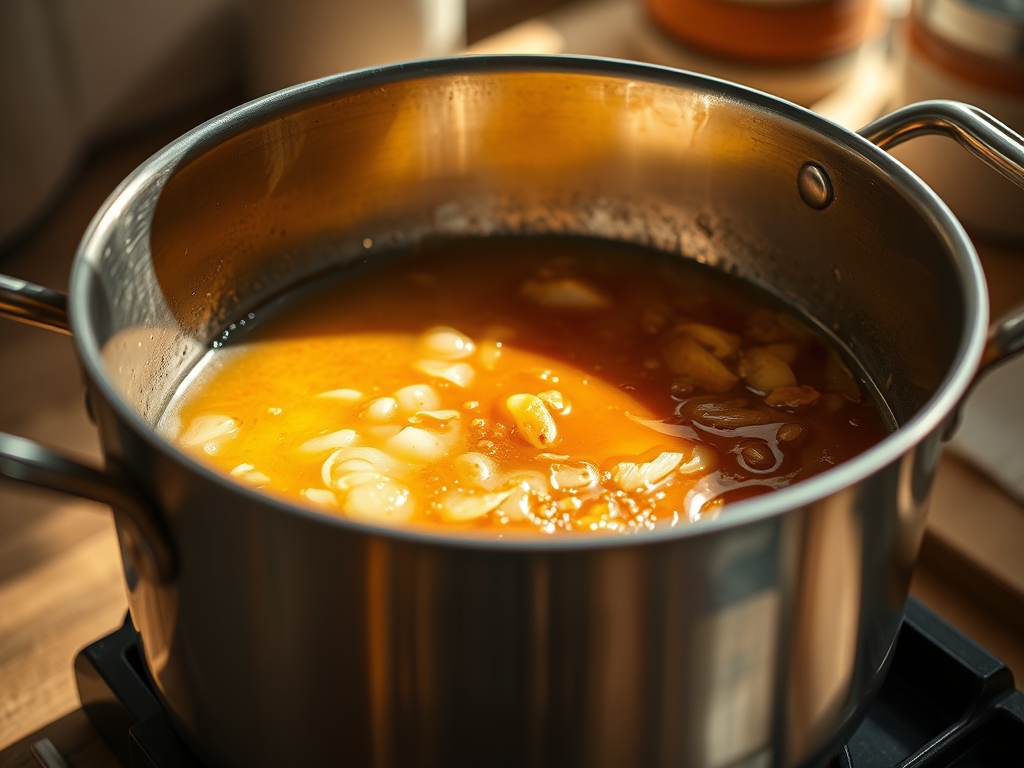
Observe the Masterclass photo above. Notice the deep, amber translucency of the honey and the slightly darkened, matte finish of the garlic cloves. If your garlic turns a bright blue or green, do not panic. This is a common reaction between the sulfur in the garlic and trace amounts of copper or amino acids in the honey; it is aesthetically startling but perfectly safe to consume. If you see white, fuzzy mold on the surface, this indicates that the cloves were exposed to air for too long. Always ensure the cloves are coated in honey during your daily rotations. A successful ferment will transition from a clear, thick syrup to a dark, runny liquid that flows like water when swirled.
THE DEEP DIVE
Macro Nutrition Profile:
Fermented Honey Garlic is primarily a carbohydrate-based condiment. A single clove with a teaspoon of the honey syrup contains approximately 25 calories, 6g of carbohydrates, and trace amounts of protein. Its true value lies in the bioavailable polyphenols and sulfur compounds that are enhanced during the fermentation process.
Dietary Swaps:
- Vegan: Swap honey for a thick agave nectar or maple syrup, though you must add a pinch of salt and a splash of raw apple cider vinegar to kickstart the microbial process, as these syrups lack the natural yeasts found in raw honey.
- Keto: This recipe is difficult to make keto-compliant due to the sugar content of honey. However, using the infused honey in very small quantities as a glaze for proteins can fit within some macro limits.
- GF: Naturally gluten-free. Ensure your apple cider vinegar is certified GF if you choose to add it.
Meal Prep & Reheating Science:
The honey acts as a natural preservative. Once the initial 14-day fermentation is complete, you can store this jar in a cool, dark pantry for up to a year. To maintain the molecular structure and probiotic benefits, do not boil the honey. When using it as a glaze, apply it to the meat or vegetables during the final two minutes of cooking to infuse the flavor without scorching the delicate sugars.
THE KITCHEN TABLE
How long does it take for the garlic to stop floating?
Usually, the garlic will begin to sink after 2 to 3 weeks. This occurs because the honey has successfully extracted enough moisture from the cloves to equalize the density. Once they sink, the fermentation is largely stabilized.
Is it normal for the honey to have bubbles?
Yes, bubbling is a sign of active fermentation. It indicates that the wild yeasts are consuming the sugars and producing carbon dioxide. If the bubbling stops after a month, the ferment has simply reached maturity.
Can I add herbs like thyme or rosemary?
Absolutely. Adding woody herbs can infuse the honey with secondary aromatic layers. Ensure the herbs are completely dry before adding them to avoid introducing excess water, which could disrupt the delicate balance of the ferment.
Why did my honey turn very dark?
This is a result of a slow Maillard-like reaction and oxidation. It is a desirable trait that indicates a deep, complex flavor profile. The darker the honey, the more intense the savory notes will be.