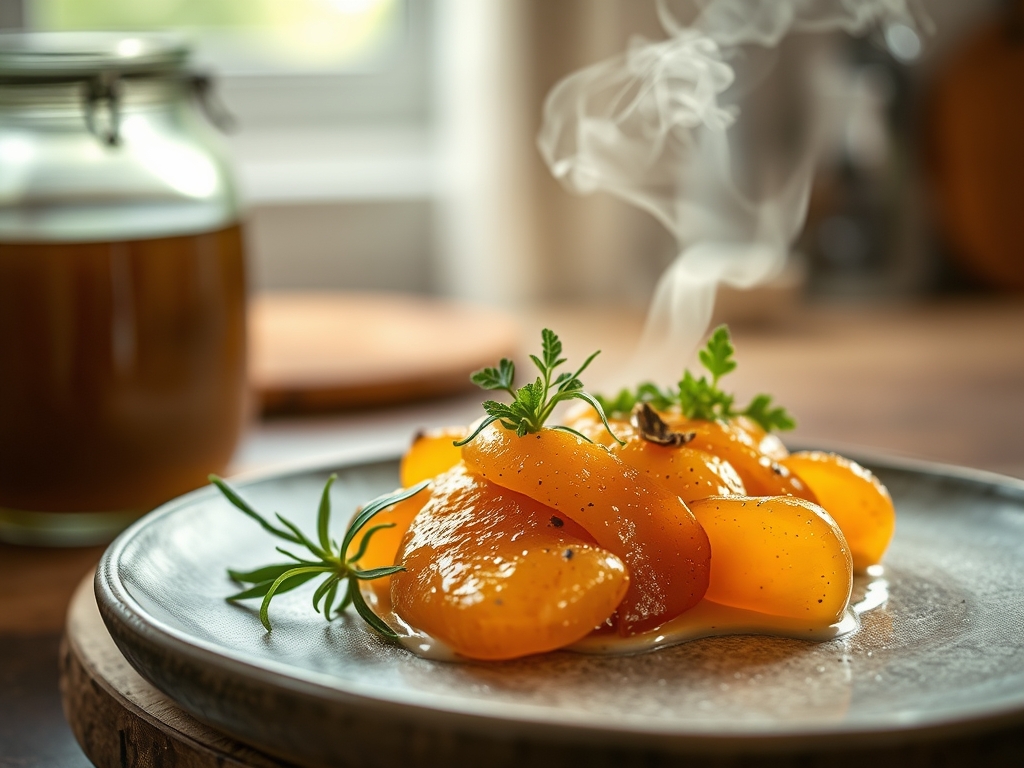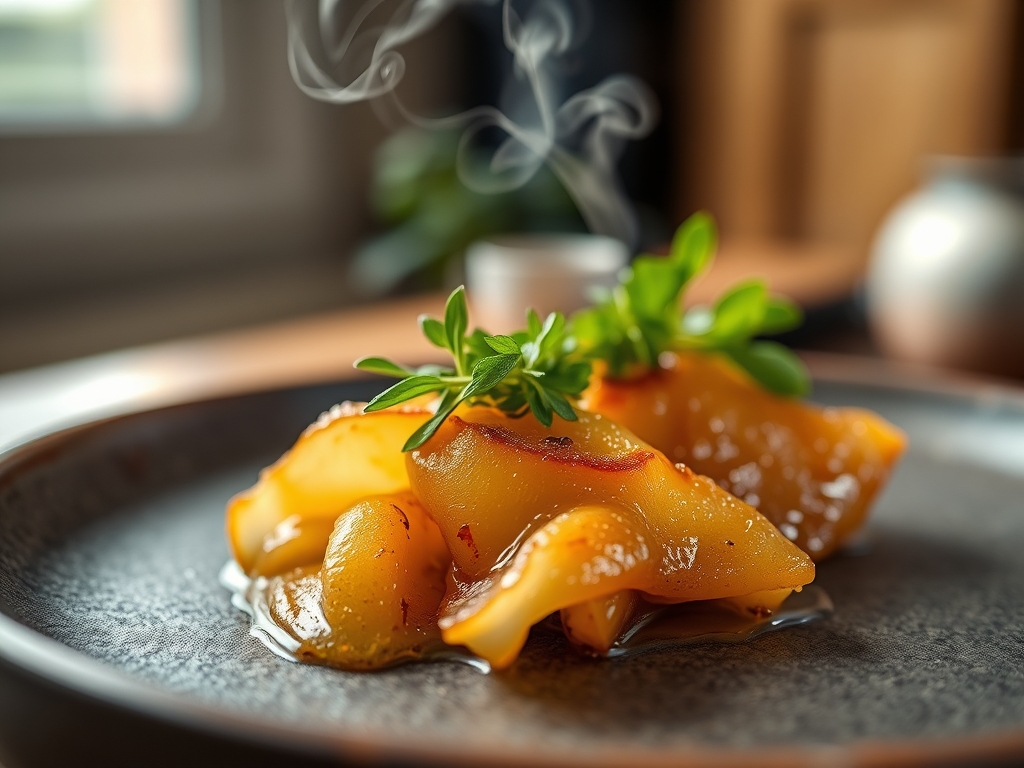
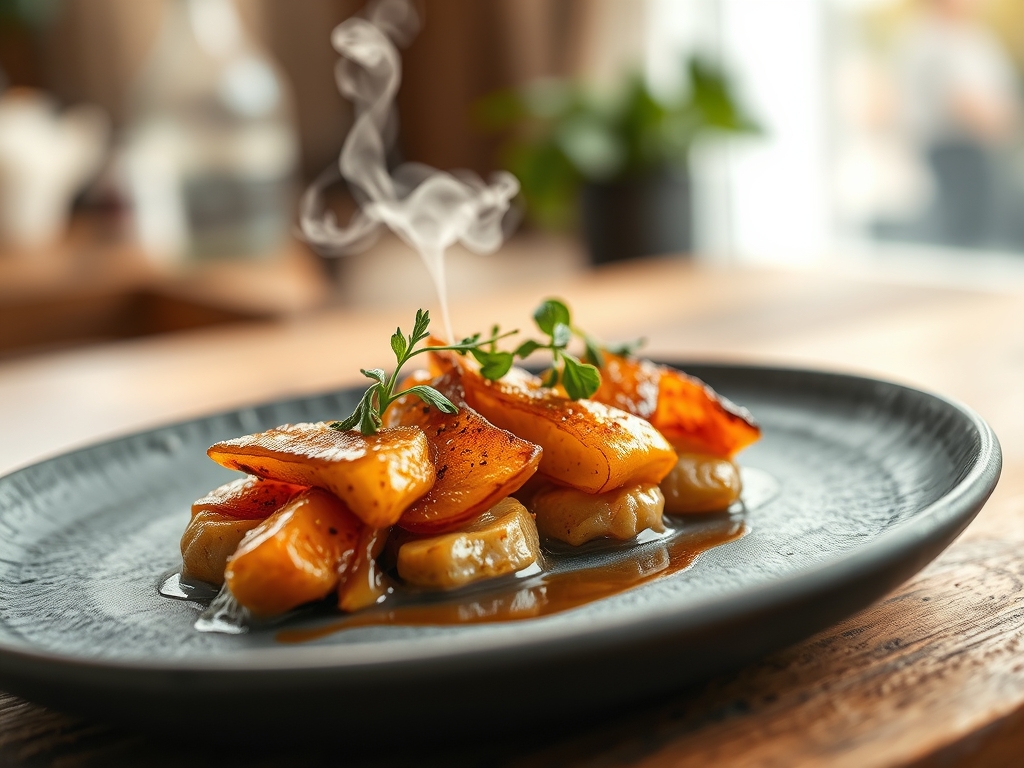
Listen to the crunch. That staccato snap is the sound of a subterranean powerhouse ready to overhaul your gut biome. We are not just cooking dinner; we are performing a Prebiotic Inulin Audit on the knobby, dirt-caked architecture of the Jerusalem artichoke. Often dismissed as the ugly duckling of the root cellar, these tubers are dense with prebiotic fiber that fuels your internal microbial city. When you drop these sliced discs into a shimmering pool of fat, you are witnessing a chemical transformation. The starches do not just soften; they caramelize into a nutty, earthy sweetness that rivals the finest chestnuts. This is culinary infrastructure at its most robust. We are looking for that specific golden-amber hue that signals the breakdown of complex carbohydrates into digestible bliss. Forget the standard potato. We are here for the crunch, the creaminess, and the massive biological dividend that comes with every bite. Strap in, sharpen your mandoline, and prepare to audit your digestive health through the lens of high-heat gastronomy.
THE DATA MATRIX
| Metric | Specification |
|---|---|
| Prep Time | 15 Minutes |
| Execution Time | 25 Minutes |
| Yield | 4 Servings |
| Complexity (1-10) | 4 |
| Estimated Cost per Serving | $1.85 |
THE GATHERS
Ingredient Protocol:
- 500g / 1.1 lbs Jerusalem Artichokes (Sunchokes)
- 30ml / 2 tbsp Extra Virgin Olive Oil
- 15g / 1 tbsp Unsalted Butter (Grass-fed preferred)
- 3g / 0.5 tsp Flaky Sea Salt
- 2g / 0.25 tsp Freshly Cracked Black Pepper
- 10g / 2 cloves Garlic (Smashed)
- 5g / 1 sprig Fresh Rosemary
- 5ml / 1 tsp Lemon Juice (Freshly squeezed)
Section A: Ingredient Quality Audit:
If your sunchokes feel soft or rubbery, they have lost their cellular turgor pressure. To fix this, soak the tubers in an ice-water bath for thirty minutes to rehydrate the cell walls before slicing. If the skins appear excessively dark or patchy, do not peel them entirely; use a stiff vegetable brush to scrub away the grit while preserving the skin. The skin contains a high concentration of the prebiotic fiber we are auditing. If your garlic has sprouted a green germ, remove it. That germ will introduce a bitter, acrid note that clashes with the delicate nuttiness of the rendered tubers. Always ensure your olive oil has a harvest date within the last year to avoid oxidative rancidity that ruins the finish.
THE MASTERCLASS
Step 1: The Precision Slice
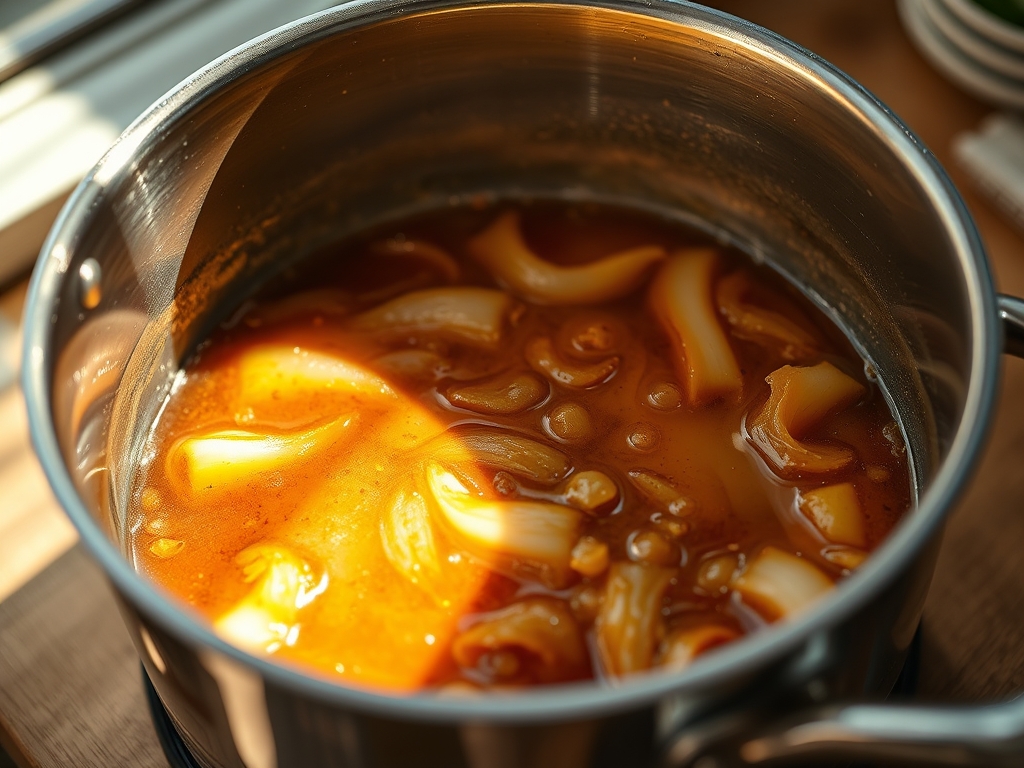
Utilize a digital scale to weigh your harvest before processing. Using a sharp chef's knife or a mandoline, slice the Jerusalem artichokes into uniform 5mm rounds. Uniformity is the cornerstone of thermal consistency. If the slices vary in thickness, the thin pieces will carbonize before the thick pieces reach the desired viscous interior texture.
Pro Tip: Use a bench scraper to efficiently move your slices from the cutting board to a dry bowl. Keeping the surfaces dry prevents steaming, which is the enemy of a crisp exterior.
Step 2: The Thermal Induction
Place a heavy-bottomed saucier or cast-iron skillet over medium-high heat. Add the olive oil and wait for it to shimmer. This indicates the oil has reached the proper viscosity to coat the tubers without soaking into them. Carefully lay the slices in a single layer. Do not crowd the pan; overcrowding drops the surface temperature and leads to a soggy, boiled result rather than a crisp sear.
Pro Tip: Listen for a high-pitched sizzle. This is the sound of moisture evaporating rapidly, allowing the Maillard reaction to begin its work on the exterior sugars.
Step 3: The Aromatic Infusion
Once the first side is deeply browned (approximately 4 to 5 minutes), flip the slices. Introduce the butter, smashed garlic, and rosemary sprig to the pan. As the butter begins to foam, it will infuse with the volatile oils of the herbs. Use a large spoon to continuously baste the sunchokes with the bubbling fat.
Pro Tip: Basting is a classic French technique that ensures the top of the vegetable cooks via convection while the bottom cooks via conduction. It creates a more even, professional finish.
Step 4: The Acidic Deglaze
Just before pulling the pan from the heat, squeeze the lemon juice over the sunchokes. This will deglaze the browned bits (fond) from the bottom of the pan and coat the tubers in a bright, piquant glaze. This acidity cuts through the richness of the butter and balances the earthy sweetness of the inulin.
Pro Tip: Use a thermometer to ensure the internal temperature of the thickest slice has reached 90C (194F). This is the point where the fiber softens enough to be palatable while retaining its prebiotic integrity.
Section B: Prep & Timing Fault-Lines:
The most common failure in this protocol is "The Steam Trap." If you wash the sunchokes and fail to dry them with a lint-free towel, the residual water will turn to steam instantly. This prevents the temperature from rising above 100C, stalling the browning process. Another fault-line is heat management. If the butter browns too quickly (turning black), it has reached its smoke point and become bitter. If this happens, wipe the pan and start the butter stage over. Timing is everything; the window between golden-brown and burnt is less than sixty seconds.
THE VISUAL SPECTRUM
Section C: Thermal & Visual Troubleshooting:
Referencing the Masterclass photo, your goal is a variegated landscape of gold, copper, and deep mahogany. If your slices look pale and translucent, they are undercooked and will have a "raw potato" metallic taste. If they are uniformly dark brown but limp, you likely used too much oil, which saturated the tissue. The ideal visual cue is a crisp, defined edge that holds its shape when lifted with tongs. If the rosemary looks charred and black, you introduced it too early. It should remain forest green or slightly toasted. The garlic should be a soft tan; if it is dark brown, it will taste like burnt rubber. Adjust your heat downward if the aromatics are coloring faster than the tubers.
THE DEEP DIVE
Macro Nutrition Profile:
Jerusalem artichokes are a carbohydrate-dense root, but the majority of those carbs come from inulin, a non-digestible fiber. A standard serving contains approximately 75 calories, 2g of protein, and 17g of carbohydrates, of which 4g are fiber. They are exceptionally high in iron and potassium, making them an ideal functional food for blood pressure management and oxygen transport.
Dietary Swaps:
- Vegan: Replace the grass-fed butter with a high-quality vegan butter alternative or simply increase the olive oil and add a pinch of nutritional yeast for a "cheesy" depth.
- Keto: While higher in carbs than leafy greens, sunchokes can be used sparingly in a keto diet due to the high fiber-to-net-carb ratio. Limit serving size to 50g.
- GF: Naturally gluten-free. Ensure your spices are certified GF to avoid cross-contamination.
Meal Prep & Reheating Science:
To maintain the molecular structure, do not microwave leftovers. Microwaving vibrates water molecules, which collapses the crisp cell walls and turns the sunchokes mushy. Instead, reheat in an air fryer at 180C for 4 minutes or in a dry skillet over medium heat to re-crisp the exterior.
THE KITCHEN TABLE
What if I get bloated after eating these?
Inulin is a powerful prebiotic. If your microbiome is not used to high fiber, start with a small portion. The "Prebiotic Inulin Audit" can be intense for beginners. Gradually increasing intake allows your gut flora to adapt without discomfort.
Can I peel them instead of scrubbing?
You can, but you will lose significant nutritional value and structural integrity. The skin provides a necessary textural contrast to the creamy interior. If you must peel, use a small spoon to scrape the skin off around the knobs.
Why did my sunchokes turn grey after cooking?
This is an enzymatic reaction. To prevent oxidation, keep sliced sunchokes in acidulated water (water with lemon juice) until the moment they hit the hot oil. Ensure the pan is hot enough to neutralize these enzymes immediately.
Are these the same as globe artichokes?
No. Despite the name, Jerusalem artichokes are actually a species of sunflower. They share a similar flavor profile (nutty and slightly sweet) with globe artichokes, but their botanical structure and kitchen applications are entirely different.