The steam rising from a porcelain vessel is not merely a vapor; it is a pressurized delivery system for the most potent secondary metabolite in the botanical world. We are discussing the structural integrity of Mint Tea Menthol. When you crush a fresh leaf of Mentha piperita, you are rupturing microscopic glandular trichomes that house a complex volatile oil. This is not a casual beverage for the faint of heart. It is a thermodynamic event. The menthol molecule interacts directly with the TRPM8 sensory receptors in your oral cavity, tricking your nervous system into sensing a frigid arctic blast amidst a scalding liquid medium. To achieve the perfect infusion, one must balance the piquant bite of the oils against the delicate tannins of the leaf. We are here to audit the extraction process, ensuring that your final yield is a vibrant, viscous elixir rather than a muddy, oxidized disappointment. Prepare your sensors for a high-velocity calibration of flavor, temperature, and molecular suspension. This is the definitive audit of the mint matrix.
THE DATA MATRIX
| Metric | Specification |
|---|---|
| Prep Time | 5 Minutes |
| Execution Time | 7 Minutes |
| Yield | 500ml (2 Servings) |
| Complexity (1-10) | 3 |
| Estimated Cost per Serving | $0.45 |
THE GATHERS
Ingredient Protocol:
- 500ml / 2 cups Filtered Water (Zero TDS preferred for clarity)
- 30g / 1 cup Fresh Peppermint Leaves (Triple-washed and patted dry)
- 15ml / 1 tbsp Raw Honey or Agave (Optional for viscosity)
- 2g / 0.5 tsp Organic Dried Peppermint (For depth and concentrated Mint Tea Menthol)
- 1 Lemon Wedge (For pH adjustment and color stabilization)
Section A: Ingredient Quality Audit:
The primary failure point in any infusion is the raw material. If your mint leaves exhibit black spotting or a limp, flaccid texture, the volatile oils have already begun to oxidize and dissipate. Sub-par mint results in a "grassy" or "hay-like" profile rather than the sharp, cooling sensation of premium Mint Tea Menthol. To fix this, shock your mint in an ice bath for sixty seconds prior to use; this turgor pressure restoration will make the leaves snap and release oils more efficiently. Furthermore, if your water is too hard (high mineral content), it will bind with the tea's polyphenols, creating a dull, cloudy appearance and a metallic aftertaste. Always use a carbon-filtered system to ensure the solvent is as pure as the solute.
THE MASTERCLASS
Step 1: Thermal Calibration of the Saucier
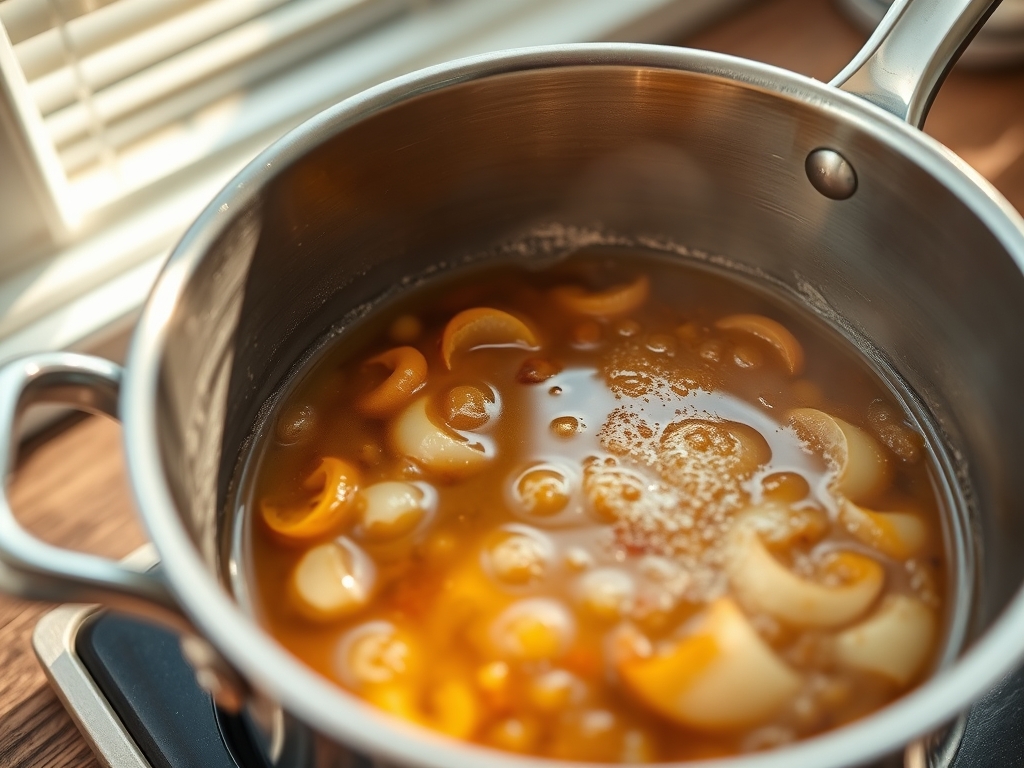
Begin by heating your filtered water in a high-quality stainless steel saucier. Unlike a standard pot, a saucier has rounded edges that prevent "dead zones" where temperature fluctuates. Bring the water to exactly 96 degrees Celsius (205 degrees Fahrenheit). Use a calibrated digital thermometer to verify this.
Pro Tip: Do not allow the water to reach a rolling boil. Boiling water de-aerates the liquid, resulting in a flat flavor profile. Maintaining the water just below the boiling point preserves the dissolved oxygen, which helps to aerate the volatile oils during the initial pour.
Step 2: The Mechanical Rupture
While the water reaches temperature, place your fresh mint leaves on a clean workstation. Use a heavy wooden muddler or the flat side of a chef's knife to gently bruise the leaves. You are not looking to pulverize them into a paste; you simply want to crack the cellular walls to expose the Mint Tea Menthol reserves.
Pro Tip: Use a digital scale to ensure your mint-to-water ratio is precise. Professional extraction relies on mass, not volume. Bruising the leaves triggers the enzymatic release of oils, ensuring the infuse stage is instantaneous upon contact with the hot solvent.
Step 3: The Controlled Infusion
Place the bruised leaves and the dried mint into a pre-heated glass carafe. Pour the 96-degree water over the leaves in a circular motion. Immediately cover the vessel with a tight-fitting lid to prevent the volatile aromatics from escaping into the atmosphere.
Pro Tip: Covering the vessel is non-negotiable. The "steam" you smell is actually the flavor leaving the building. By sealing the carafe, you force the Mint Tea Menthol to condense on the lid and drip back into the liquid, increasing the viscous mouthfeel of the final brew.
Step 4: The Micro-Filtration
After exactly five minutes, pour the infusion through a fine-mesh conical strainer (chinois) into your serving vessel. Press the leaves lightly with the back of a spoon to extract the final concentrated essence, then discard the solids immediately to prevent over-extraction of bitter tannins.
Pro Tip: Timing is the difference between a masterpiece and a tragedy. Use a digital timer. Over-steeping past the six-minute mark begins to extract chlorophyll and lignins, which will turn your vibrant Mint Tea Menthol infusion into a bitter, swampy mess.
Section B: Prep & Timing Fault-Lines:
The most common human error in this protocol is "The Thermal Crash." If you pour hot tea into a cold ceramic mug, the temperature drops instantly, causing the oils to seize and the flavor to mute. Always pre-heat your glassware with excess hot water. Additionally, timing the "bruise to brew" window is critical. If you bruise the leaves and let them sit for more than two minutes before adding water, the oils will oxidize on the surface of the leaf, leading to a diminished sensory impact. Precision in timing ensures the molecular integrity of the menthol remains intact.
THE VISUAL SPECTRUM
Section C: Thermal & Visual Troubleshooting:
Referencing the Masterclass photo, your infusion should display a pale, translucent gold with a slight emerald tint. If your tea appears brown or murky, you have likely used water that was too hot or leaves that were starting to decay. A dull color indicates a lack of acidity; adding a single drop of lemon juice can shift the pH, brightening the green hues and stabilizing the Mint Tea Menthol compounds. If you see "oil slicks" on the surface, do not panic; these are the essential lipids we worked so hard to extract. However, if the liquid is completely clear without any shimmer, your bruising technique was too timid. The goal is a shimmering, vibrant clarity that promises a piquant punch.
THE DEEP DIVE
Macro Nutrition Profile:
This infusion is virtually calorie-neutral, containing less than 5 calories per serving (unless honey is added). It is rich in manganese, vitamin C, and copper. The primary "macro" here is the phytochemical load, specifically the menthol and menthone which act as natural antispasmodics for the digestive tract.
Dietary Swaps:
- Vegan: Ensure your sweetener is agave or a simple syrup made from organic cane sugar.
- Keto: Use liquid stevia or monk fruit drops; the menthol naturally masks the aftertaste of most keto sweeteners.
- GF: Naturally gluten-free, but ensure your dried mint source is certified to avoid cross-contamination from processing facilities.
Meal Prep & Reheating Science:
To maintain the molecular structure for later consumption, flash-chill the tea by placing the carafe in an ice bath immediately after straining. This "locks in" the volatile oils. When reheating, never use a microwave; the uneven electromagnetic waves will fracture the delicate flavor compounds. Reheat gently on the stovetop to 70 degrees Celsius to avoid re-cooking the oils.
THE KITCHEN TABLE
Can I use peppermint tea bags for this?
You can, but the surface area of "tea dust" in bags leads to rapid oxidation. For true Mint Tea Menthol potency, whole leaves are superior. If using bags, reduce steep time to three minutes to avoid excessive bitterness.
Why does my mint tea taste like soap?
This usually occurs if the leaves were not rinsed thoroughly of organic residues or if your dish soap contained citrus surfactants that clung to the carafe. Always triple-rinse your equipment with boiling water before starting the infusion protocol.
Is dried mint better than fresh?
Dried mint offers a concentrated, earthy baseline, while fresh mint provides the bright, volatile top notes. The most robust technical audit suggests a hybrid approach, using both to create a full-spectrum flavor profile that hits every part of the palate.
How do I get that "frothy" look?
To aerate the tea and create a silky head, pour the finished infusion into a cocktail shaker and give it three vigorous shakes without ice. This incorporates air into the oils, enhancing the aromatic delivery and creating a luxurious mouthfeel.