Forget the sluggish morning fog and the ritualistic wait for your metabolic engine to turn over. We are discussing high-performance fuel delivery systems designed for the human bio-computer. When you combine high-grade lipids with premium coffee, you are not just making a beverage; you are constructing a metabolic bridge. The secret to this bridge is the MCT Oil Emulsion. Without proper emulsification, you are merely drinking a slick of oil that sits atop your coffee like an environmental disaster. With it, you create a micellar structure that bypasses traditional digestion to hit your liver for immediate ketone conversion. The texture is velvety and the mouthfeel is viscous; it coats the palate and signals to your satiety hormones that the hunt is over. We are moving beyond the crude "butter in coffee" era and into the age of precision lipid engineering. This is about micro-droplets of Medium Chain Triglycerides suspended in a caffeinated aqueous solution. It is fast, it is efficient, and if you follow this protocol, it is the most powerful tool in your culinary infrastructure.
THE DATA MATRIX
| Metric | Specification |
|---|---|
| Prep Time | 2 Minutes |
| Execution Time | 3 Minutes |
| Yield | 1 Serving (approx. 350ml) |
| Complexity (1-10) | 4 |
| Estimated Cost per Serving | $1.85 |
THE GATHERS
Ingredient Protocol:
- Freshly Roasted Coffee Beans: 30g / 1.05 oz (Ground for pour-over or French press)
- Filtered Water: 350ml / 1.5 cups (Heated to 205 degrees Fahrenheit)
- Grass-Fed Unsalted Butter: 14g / 1 tbsp (Room temperature for easier integration)
- C8/C10 MCT Oil: 15ml / 1 tbsp (The core of your MCT Oil Emulsion)
- Sea Salt: 0.5g / 1 pinch (To suppress bitterness and enhance sweetness)
- Ceylon Cinnamon: 1g / 0.25 tsp (Optional metabolic booster)
Section A: Ingredient Quality Audit:
If your coffee tastes like burnt rubber, your beans are likely over-roasted or stale. Switch to a light or medium roast to preserve the delicate acidity. If your butter is "sweating" or smells slightly sour, the lipid structure has begun to oxidize; discard it immediately. For those using low-quality MCT oil, you may experience "disaster pants" or gastric distress. Ensure your oil is a pure C8/C10 blend to maximize ketone production without the digestive fallout. If your water has a high mineral content, it will mute the bright notes of the coffee; use a charcoal filter to strip out chlorine and heavy sediments before heating.
THE MASTERCLASS
1. Precision Extraction
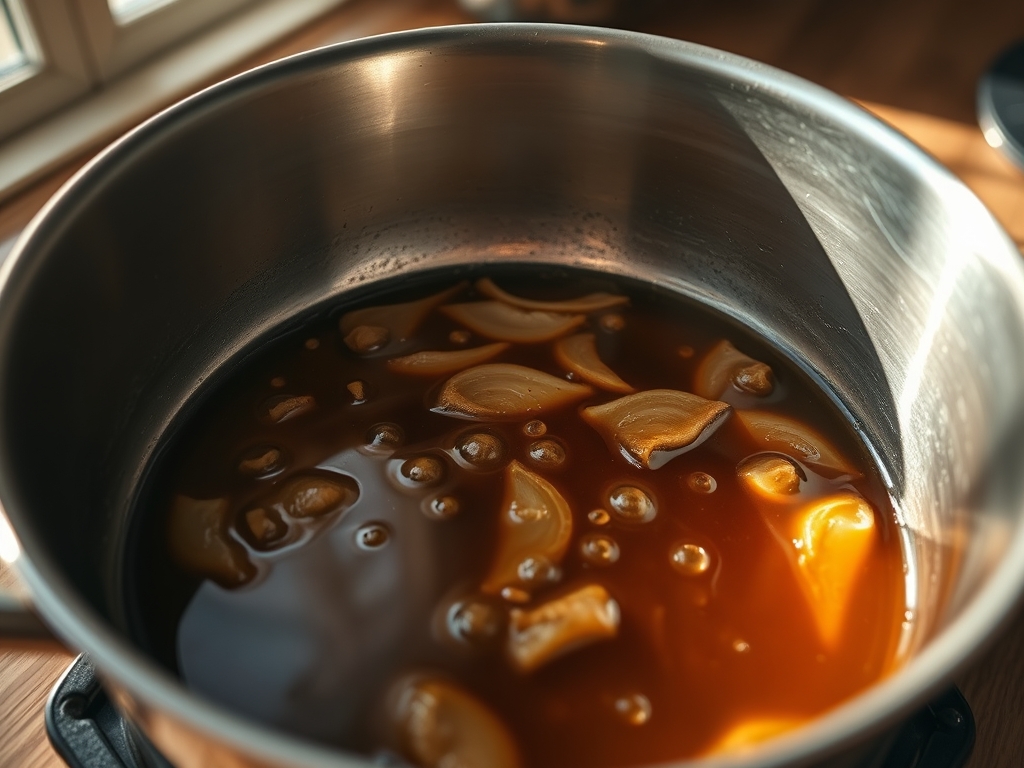
Begin by weighing your coffee beans on a digital scale to ensure a 1:15 ratio of coffee to water. Grind the beans to a medium-coarse consistency. Use a saucier or a dedicated gooseneck kettle to heat your filtered water to exactly 205 degrees Fahrenheit. Pour the water over the grounds in a circular motion, allowing the coffee to "bloom" for thirty seconds to release trapped carbon dioxide.
Pro Tip: This blooming process prevents carbonic acid from souring your brew. By using a digital scale, you eliminate the margin of error that comes with volumetric measurements, ensuring a consistent caffeine yield every single morning.
2. Lipid Loading
While the coffee finishes its extraction, place your room-temperature butter and MCT oil into a high-speed blender carafe. Adding the lipids first prevents splashing when the hot liquid is introduced. Ensure your butter is unsalted; salted butter contains lactic acid starters that can curdle when exposed to high-heat coffee.
Pro Tip: Using room-temperature fats prevents a massive temperature drop when the coffee hits the blender. Maintaining a high thermal baseline is essential to render the fats into a liquid state before the mechanical shearing begins.
3. The High-Shear Emulsion
Pour the hot coffee into the blender. Secure the lid tightly but remove the center cap to allow steam to escape; covering it completely can cause a pressure explosion. Start the blender on the lowest setting and quickly ramp up to the highest speed. Blend for 30 seconds until a thick, frothy head of foam appears.
Pro Tip: High-speed blending creates a mechanical MCT Oil Emulsion by breaking the fat globules into tiny droplets. These droplets are then coated by the proteins in the butter, preventing them from coalescing and ensuring the lipids stay suspended in the liquid rather than floating on top.
4. Final Infusion and Service
Add your pinch of sea salt and optional cinnamon during the last five seconds of blending. This allows the flavors to infuse without being pulverized. Pour the mixture into a pre-heated ceramic mug. The pre-heating prevents the thermal shock that can break the delicate emulsion you just worked so hard to create.
Pro Tip: A bench scraper can be used to clean your workstation of any stray coffee grounds or cinnamon dust. The salt acts as a sodium-channel blocker on your tongue, which effectively cancels out any residual bitterness from the coffee extraction.
Section B: Prep & Timing Fault-Lines:
The most common failure is the "Cold Butter Crash." If you use butter straight from the refrigerator, it drops the coffee temperature below the threshold required for a stable MCT Oil Emulsion. Another fault-line is the "Slow Blend." If you do not use enough RPMs, the oil will not shatter into micro-droplets; you will be left with a greasy mouthfeel. Finally, timing is everything. If you let the brewed coffee sit for more than five minutes before blending, the volatile aromatics will dissipate, leaving you with a flat, dull-tasting beverage.
THE VISUAL SPECTRUM
Section C: Thermal & Visual Troubleshooting:
Referencing the Masterclass photo, your final product should possess a creamy, latte-like appearance with a dense, micro-foam head. If your liquid looks dark and separated, your emulsion has failed. This usually happens if the blender speed was too low or the blending duration was too short. If the foam is "bubbly" rather than "creamy," you have introduced too much air; reduce the blending time by five seconds. If the color is a dull grey rather than a vibrant tan, your coffee was likely over-extracted or your butter-to-coffee ratio is too low. A perfect MCT Oil Emulsion should look like a professional nitro-cold brew with a cascading effect of tiny bubbles.
THE DEEP DIVE
Macro Nutrition Profile:
A standard serving contains approximately 240 calories, 26g of healthy fats, 0g of carbohydrates, and 1g of protein. The primary caloric driver is the lipid complex, specifically the caprylic and capric acids from the MCT oil.
Dietary Swaps:
- Vegan: Replace the grass-fed butter with an equal amount of raw cacao butter or high-fat coconut cream. Note that coconut cream will result in a less stable emulsion due to lower protein content.
- Keto/GF: This recipe is natively keto-compliant and gluten-free.
- Flavor Profiles: To aerate and flavor without sugar, add a drop of vanilla bean extract or a teaspoon of raw cacao powder during the blending phase.
Meal Prep & Reheating Science:
You can technically store this in a vacuum-insulated thermos for up to four hours. However, the molecular structure of an MCT Oil Emulsion is fragile. If the temperature drops significantly, the fats will begin to solidify and separate. To reheat, do not use a microwave; the uneven heating will break the emulsion. Instead, pour the liquid back into a blender and pulse it briefly with a splash of hot water to restore the creamy texture.
THE KITCHEN TABLE
Why does my coffee look oily on top?
Your emulsion failed because the mechanical shear was insufficient. Use a high-speed blender rather than a handheld frother to ensure the MCT oil is fully integrated into the aqueous coffee base for a smooth, creamy finish.
Can I use coconut oil instead of MCT?
Yes, but the results will differ. Coconut oil contains lauric acid, which takes longer to process. A true MCT Oil Emulsion using C8 oil provides a faster cognitive boost because it bypasses the traditional lymphatic system.
Why do I feel jittery after drinking this?
The healthy fats actually slow the absorption of caffeine, providing a steady stream of energy. If you feel jittery, you likely over-extracted the coffee or used beans with an excessively high caffeine content. Adjust your grind size.
Does the quality of butter really matter?
Absolutely. Grass-fed butter contains higher levels of Omega-3 fatty acids and Vitamin K2. These nutrients work synergistically with the MCT Oil Emulsion to support cardiovascular health and provide a more complex, nutty flavor profile.