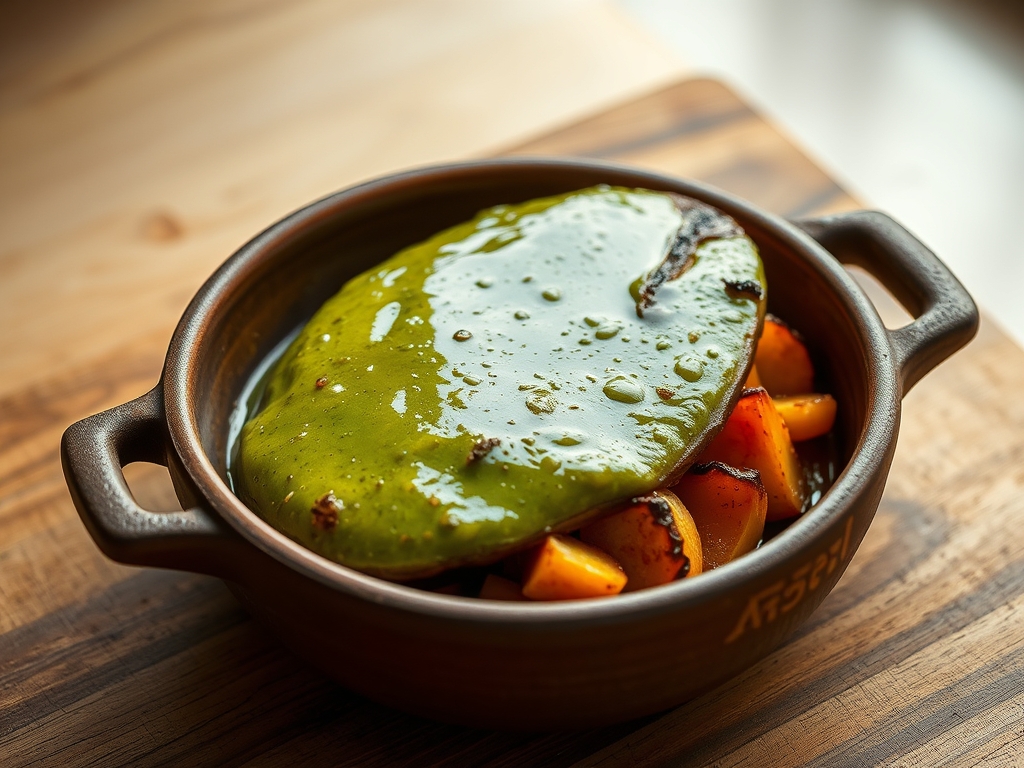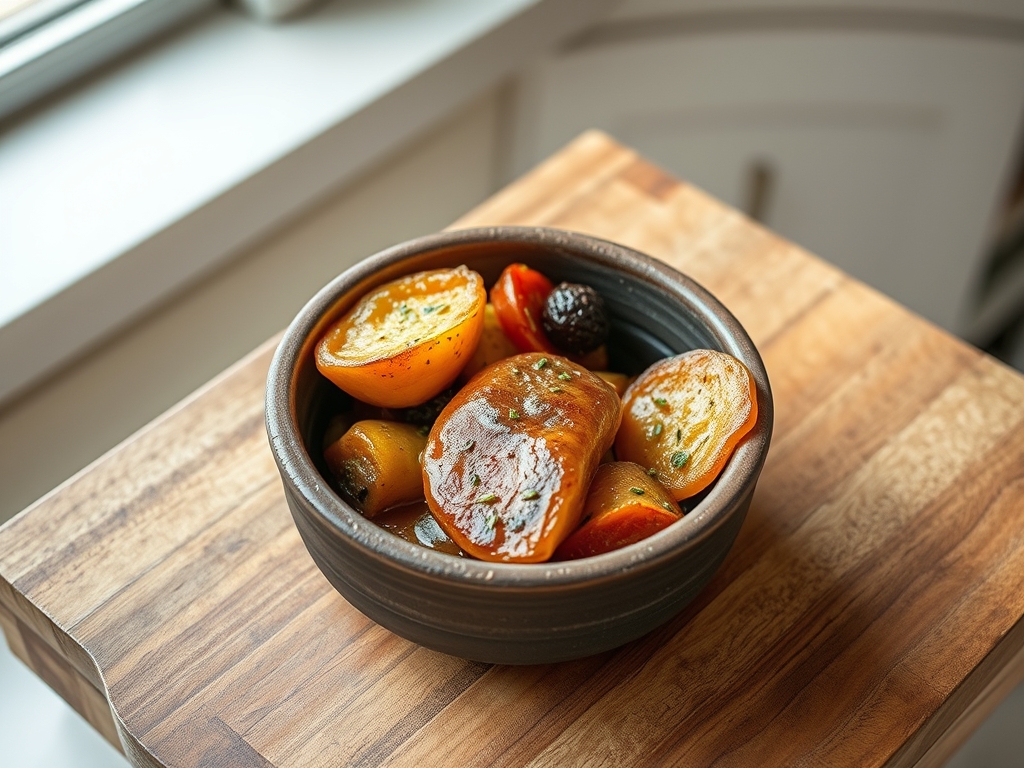
Forget the limp, flavorless protein substitutes of the past; we are entering the realm of high-performance culinary engineering where cellular density meets wood-fired complexity. When you approach the concept of Tempeh Bacon Smoke, you are not just making a sandwich filler. You are managing a sophisticated exchange of liquid smoke particles and fermented soybean substrates. The goal is a product that mimics the fatty, salty, and umami-rich profile of cured pork without the erratic rendering of animal fats. We are looking for a structural snap that yields to a tender, marinated core. This requires a precise understanding of how the porous nature of tempeh acts as a vacuum for high-viscosity marinades. We want the edges to undergo a controlled Maillard reaction while the center remains saturated with piquant aromatics. Prepare your station; we are about to audit the very definition of plant-based charcuterie. This is not a casual breakfast side. This is a technical execution of smoke absorption and thermal transformation designed to satisfy the most demanding palate in the dining room.
THE DATA MATRIX
| Metric | Specification |
|---|---|
| Prep Time | 15 Minutes |
| Execution Time | 20 Minutes |
| Yield | 4 Servings |
| Complexity (1-10) | 4 |
| Estimated Cost per Serving | $1.85 |
THE GATHERS
Ingredient Protocol:
- 227g / 8oz Organic Soy Tempeh (Firm, fermented block)
- 45ml / 3 tbsp Tamari or Soy Sauce (High-sodium for osmotic pressure)
- 15ml / 1 tbsp Maple Syrup (Grade A Dark for caramelization)
- 10ml / 2 tsp Liquid Smoke (Hickory or Mesquite concentrate)
- 5ml / 1 tsp Apple Cider Vinegar (To brighten the flavor profile)
- 2g / 1/2 tsp Smoked Paprika (For color depth and phenolic reinforcement)
- 1g / 1/4 tsp Garlic Powder (Fine mesh for even dispersion)
- 15ml / 1 tbsp Neutral High-Smoke Point Oil (Grapeseed or Avocado oil)
- 30ml / 2 tbsp Water (To facilitate marinade penetration)
Section A: Ingredient Quality Audit:
If your tempeh smells overly bitter or has significant black spots, it may be over-fermented. While some spotting is normal, excessive bitterness will fight the maple sugars. To fix this, steam the tempeh for ten minutes before marinating to open the pores and neutralize the metabolic byproducts of the fermentation. If your liquid smoke is too acrid, it likely contains artificial coloring or cheap additives. Always source a brand that lists only "water and smoke flavor" to ensure a clean phenolic profile. If the tamari lacks body, whisk in a teaspoon of tomato paste to increase the glutamic acid content and create a more viscous coating that clings to the soy strips during the sear.
THE MASTERCLASS
1. Precision Slicing and Surface Area Optimization
Place your tempeh block on a heavy wooden cutting board. Using a sharp chef knife or a bench scraper to stabilize the block, slice the tempeh into 4mm strips. The thickness is critical; too thin and the strip will shatter upon flipping; too thick and the center will fail to infuse with the marinade. Aim for uniformity to ensure a synchronized cooking time across the entire batch.
Pro Tip: Use a digital scale to weigh your sliced portions. Consistency in mass ensures that each strip absorbs an identical ratio of salt and sugar, preventing some pieces from being oversaturated while others remain bland.
2. The Osmotic Marination Phase
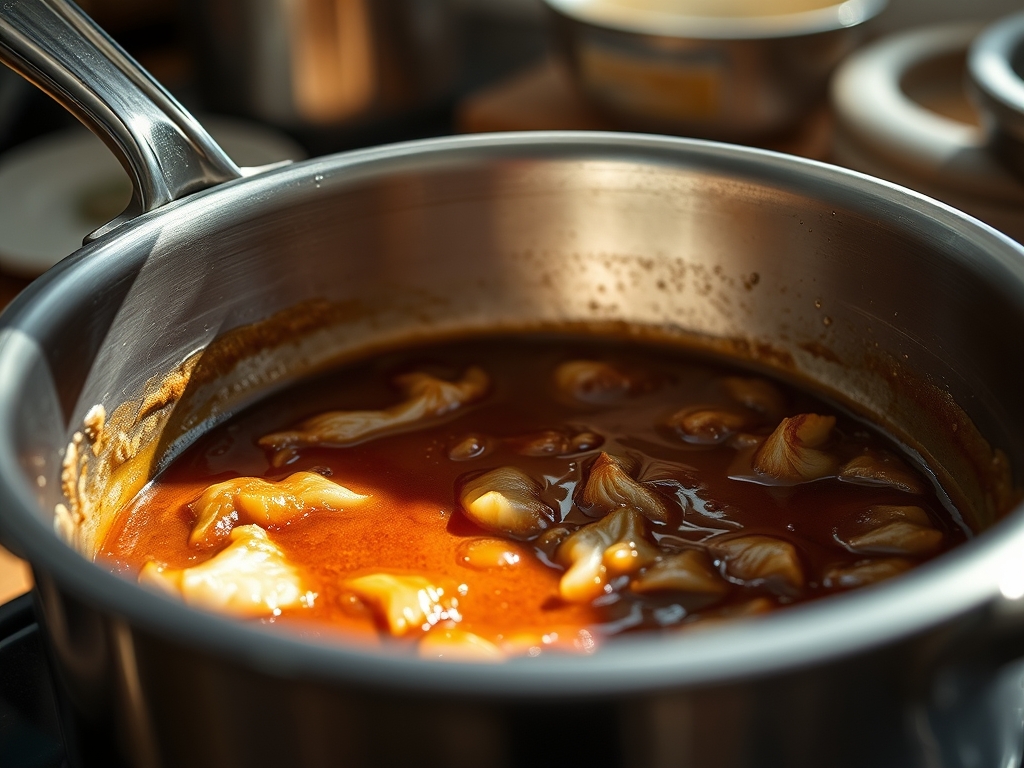
In a stainless steel saucier or a shallow glass dish, whisk the tamari, maple syrup, liquid smoke, vinegar, and spices until the mixture is fully emulsified. Submerge the tempeh strips in this liquid. Allow them to sit for at least 30 minutes. During this time, the salt in the tamari breaks down the cellular walls of the soy, allowing the smoke particles to migrate into the center of the strip.
Pro Tip: If you are in a professional rush, use a vacuum sealer to "flash marinate" the strips. The vacuum pressure forces the liquid into the porous structure of the tempeh in under five minutes, a technique often used in high-volume industrial kitchens.
3. Thermal Activation and Sealing
Heat a heavy cast-iron skillet or a carbon steel pan over medium-high heat. Add the high-smoke point oil. Once the oil begins to shimmer, use kitchen tongs to place the strips in the pan. Do not crowd the surface; you need airflow to aerate the steam escaping from the tempeh, or you will end up with soggy strips rather than crispy bacon.
Pro Tip: Use an infrared thermometer to ensure your pan surface is between 375F and 400F. This temperature range is the "sweet spot" for the Maillard reaction, where sugars and amino acids rearrange to create that distinct savory-sweet crust.
4. Deglazing and Final Glazing
After three minutes, flip the strips. They should be a deep mahogany brown. Pour the remaining marinade into the pan. The liquid will immediately boil and reduce, creating a thick glaze. Use the strips to deglaze the pan, picking up any caramelized bits (fond) stuck to the bottom. This ensures every milligram of flavor is bonded to the protein.
Pro Tip: Use a flexible fish spatula to flip the strips. The thin edge allows you to get under the delicate soy protein without tearing the edges, maintaining the structural integrity of the Tempeh Bacon Smoke.
Section B: Prep & Timing Fault-Lines:
The most common failure is the "Cold Pan Syndrome." If you add marinated tempeh to a cold pan, the sugars will stick to the metal rather than searing onto the protein, resulting in a shredded mess. Always wait for the oil to reach its shimmer point. Another fault-line is the "Sugar Burn." Because of the maple syrup, the transition from caramelized to carbonized happens in seconds. If the pan gets too hot, add a splash of water to drop the temperature instantly and scrape the bottom to redistribute the heat.
THE VISUAL SPECTRUM
Section C: Thermal & Visual Troubleshooting:
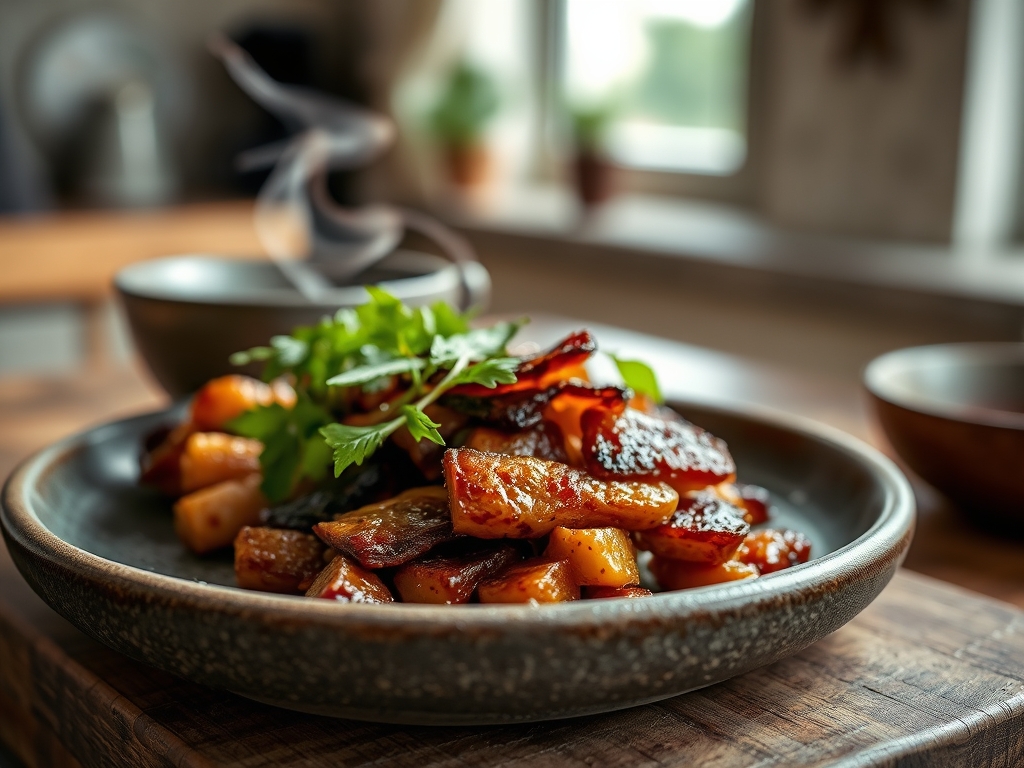
Look at the reference photo above. Notice the "lacquered" sheen on the surface of the strips. This is the result of the maple syrup and tamari reducing into a gastrique-style coating. If your tempeh looks dull or matte, you likely didn't have enough sugar in the marinade or failed to reduce the liquid at the end. If the edges are black but the center is pale, your heat was too high; the exterior charred before the internal moisture could evaporate. The ideal visual cue is a variegated surface: dark brown edges with a translucent, amber-colored center where the oil has penetrated the soy.
THE DEEP DIVE
Macro Nutrition Profile:
A standard serving of this Tempeh Bacon Smoke provides approximately 180 calories, 16g of protein, 9g of healthy fats, and 12g of carbohydrates. Unlike traditional bacon, this is a zero-cholesterol product packed with probiotics and fiber, making it a functional powerhouse for athletic recovery.
Dietary Swaps:
For a Keto version, replace the maple syrup with a monk fruit sweetener or omit it entirely and increase the smoked paprika for color. For a Gluten-Free version, ensure you are using certified gluten-free tamari, as some soy sauces contain wheat fillers that will ruin the audit.
Meal Prep & Reheating Science:
To maintain the molecular structure during storage, layer the cooked strips between parchment paper in an airtight container. When reheating, avoid the microwave, which will turn the tempeh rubbery. Instead, use a dry skillet or an air fryer at 350F for three minutes to re-crisp the exterior oils and sugars.
THE KITCHEN TABLE
Can I bake this instead of pan-frying?
Yes. Lay the strips on a parchment-lined sheet pan at 400F for 15 minutes, flipping halfway. However, you will lose the intense glaze reduction that occurs during the pan-searing deglaze process.
Why is my tempeh still bitter after marinating?
You skipped the steaming step. Steaming for 10 minutes before marinating removes the "beany" bitterness and expands the pores, allowing the Tempeh Bacon Smoke flavor to penetrate deeper into the soy block.
What is the best oil for this process?
Use Avocado oil. It has a high smoke point and a neutral flavor profile that allows the hickory and maple notes to remain the primary sensory focus without adding a greasy aftertaste.
How long does the marinated tempeh last?
Uncooked, marinated tempeh will stay stable in the refrigerator for up to five days. In fact, the flavor profile improves after 24 hours as the acids in the vinegar continue to tenderize the soy protein.