Imagine standing in a high-performance test kitchen where the air is thick with the scent of toasted grains and the hum of a high-speed blender. You are not just making a beverage; you are conducting a masterclass in carbohydrate architecture. The challenge of Oat Milk Viscosity is the ultimate test of a culinary engineer. If you miss the mark, you end up with a slimy, mucilaginous liquid that feels more like wallpaper paste than premium dairy. However, when you harness the power of amylase enzymes, you trigger a molecular transformation that shatters long-chain starches into shorter, sweeter maltose units. This is the secret to that velvety, professional mouthfeel that clings to the back of a spoon without feeling heavy. We are looking for a liquid that flows with the grace of heavy cream but carries the clean, toasted profile of a harvest field. It is time to stop settling for chalky DIY versions and start auditing your process to achieve a commercial-grade emulsion that defies the limitations of plant-based physics.
THE DATA MATRIX
| Metric | Specification |
|---|---|
| Prep Time | 15 Minutes |
| Execution Time | 25 Minutes |
| Yield | 1 Liter / 4.2 Cups |
| Complexity (1-10) | 7 |
| Estimated Cost per Serving | $0.45 USD |
THE GATHERS
Ingredient Protocol:
- 150g / 1.5 cups Steel-cut oats (Certified Gluten-Free)
- 950ml / 4 cups Filtered alkaline water (Chilled to 4 degrees Celsius)
- 2g / 0.5 tsp Alpha-Amylase enzyme powder (Food Grade)
- 15ml / 1 tbsp Neutral high-oleic sunflower oil (For lipid emulsification)
- 1g / 0.25 tsp Sea salt (To brighten the profile)
- 5ml / 1 tsp Pure vanilla bean paste (Optional for aromatic depth)
Section A: Ingredient Quality Audit:
If your oats are dusty or fragmented, your final product will suffer from excessive sedimentation. Always audit your raw materials; if using rolled oats instead of steel-cut, reduce the blending time by half to prevent overheating. If the water is too warm, the starches will gelatinize prematurely, creating a "glue" effect before the enzymes can work. The fix is simple: use ice-cold water to keep the starch granules intact until the controlled heating phase. If your enzyme powder is old, it will lose its catalytic potency. Test it by mixing a pinch with a warm starch slurry; if it does not liquefy within two minutes, discard the batch.
THE MASTERCLASS
1. The Cold Extraction Phase
Begin by combining your oats and chilled water in the canister of a high-speed blender. Do not soak the oats beforehand. Soaking initiates a hydration process that leads to a gummy texture. Pulse the mixture for exactly thirty seconds. You are looking for a coarse breakdown, not a total liquefaction.
Pro Tip: Use a digital scale to measure your oats by weight rather than volume. Volumetric measurements are notoriously inaccurate for grains, and a 10 percent variance in mass can completely throw off your targeted Oat Milk Viscosity.
2. The Enzymatic Activation
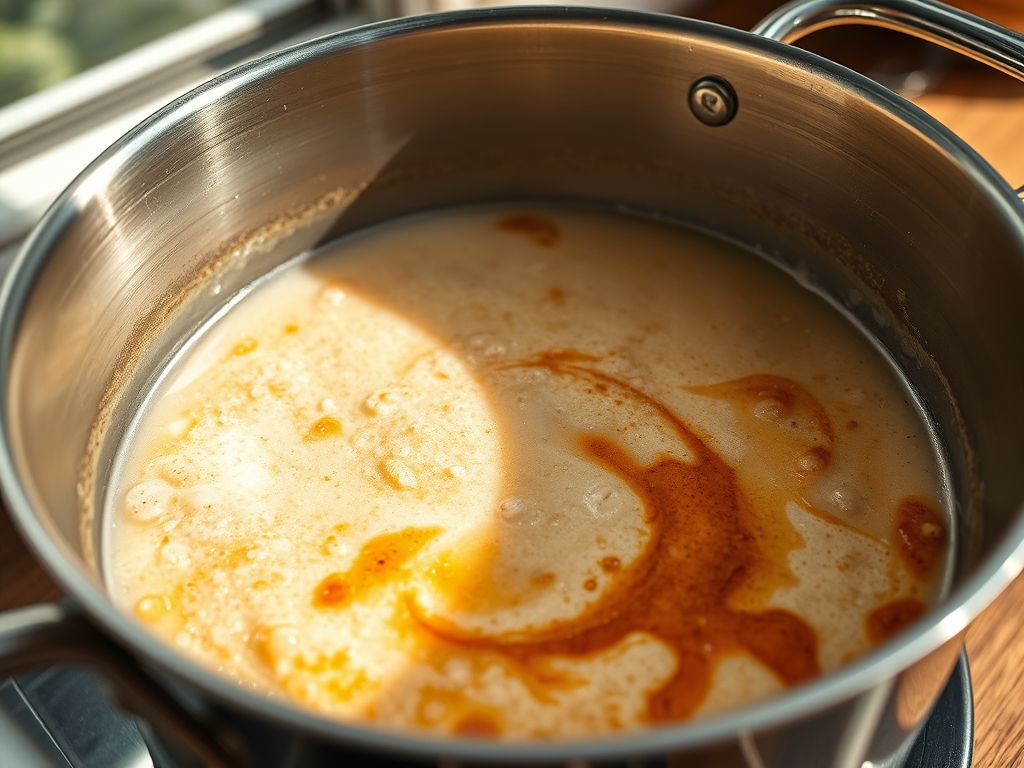
Pour the coarse slurry into a stainless steel saucier. Introduce the alpha-amylase enzyme powder. Set your induction burner to 55 degrees Celsius. Stir constantly with a silicone whisk. As the temperature rises, the enzymes will begin to "clip" the starch chains. You will notice the mixture thinning out even as it heats up.
Pro Tip: A saucier is superior to a standard saucepan because its rounded bottom prevents starch from scorching in the corners. Maintaining a precise temperature is vital; if you exceed 70 degrees Celsius too early, you will denature the enzymes and stop the thinning process.
3. Lipid Integration and Emulsification
Once the mixture has reached a watery consistency, whisk in the sunflower oil and salt. The oil provides the necessary lipids to mimic the fat globules found in bovine dairy. Increase the heat to 75 degrees Celsius for one minute to deactivate the enzymes and pasteurize the liquid.
Pro Tip: Use an immersion blender during this phase to aerate and infuse the fats into the liquid. This creates a stable emulsion that prevents the oil from separating during refrigeration.
4. The Precision Filtration
Pass the liquid through a fine-mesh nut milk bag or a double-layered cheesecloth. Do not squeeze the bag with excessive force. Let gravity do the heavy lifting. Squeezing forces fine particulate matter through the mesh, which ruins the silky texture and leads to a gritty mouthfeel.
Pro Tip: Use a bench scraper to gently press the remaining pulp against the side of your straining vessel to recover every drop of liquid without compromising the structural integrity of the filter.
Section B: Prep & Timing Fault-Lines:
The most common human error is the "over-blend." High-speed blenders generate significant kinetic heat. If you blend for more than sixty seconds, the friction alone can cook the oats, bypassing the enzymatic window and resulting in slime. Another fault-line is the cooling rate. If you do not chill the milk immediately after the 75-degree deactivation phase, the flavor can become unpleasantly "cooked" or sulfurous. Always use an ice bath to bring the temperature down rapidly.
THE VISUAL SPECTRUM
Section C: Thermal & Visual Troubleshooting:
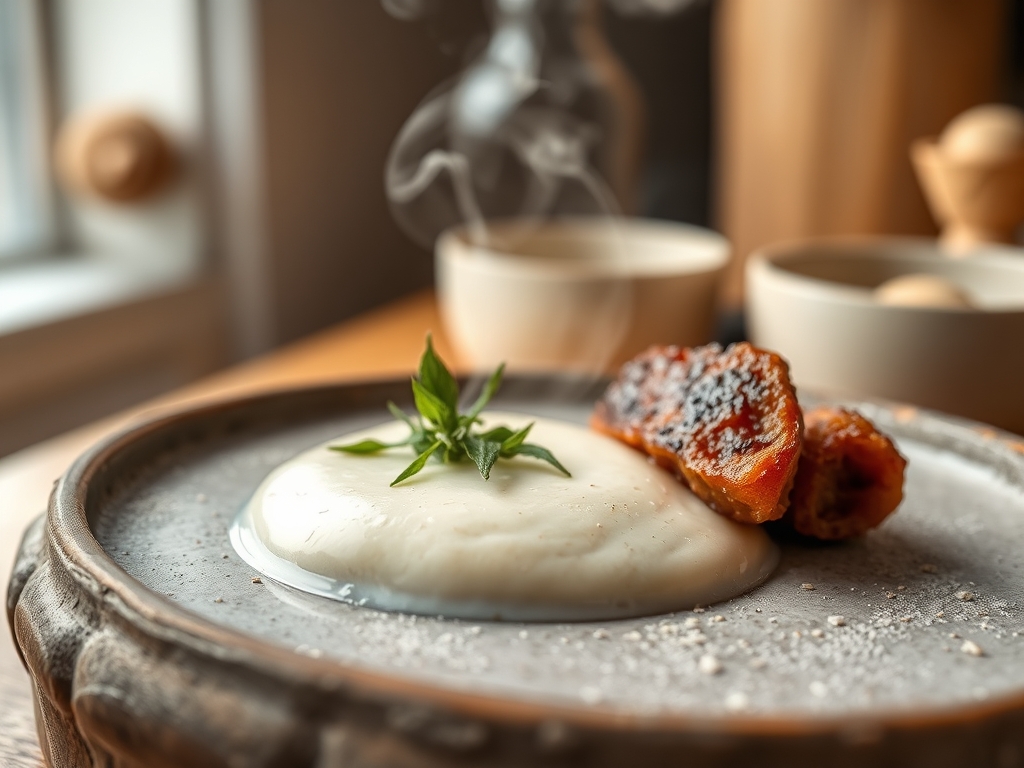
Referencing the Masterclass photo, your milk should possess a pale, creamy hue with a subtle sheen. If the liquid looks grey or dull, your water may have a high mineral content; switch to distilled or filtered water. If you see separation or "tide lines" in the bottle, your emulsification was insufficient. This is often caused by adding the oil when the liquid is too cold. The oil must be whisked in while the milk is warm to properly render the fats into the suspension. If the milk appears too thin, your enzyme incubation was too long. Next time, reduce the heating phase by three minutes to retain a bit more structural starch.
THE DEEP DIVE
Macro Nutrition Profile:
A standard 250ml serving provides approximately 120 calories, 5g of healthy fats, 18g of carbohydrates (with 2g of fiber), and 2g of protein. Because we used enzymes to break down starches, the natural sweetness is higher than store-bought brands that rely on added cane sugar.
Dietary Swaps:
- Keto: This is difficult with oats, but you can swap 50 percent of the oats for hemp hearts to lower the net carb count.
- Paleo: Substitute oats with blanched almonds, though the amylase enzyme will have a different reaction to nut starches.
- Flavor Infusions: Infuse the warm milk with a cinnamon stick or a strip of lemon zest during the cooling phase for a piquant aromatic twist.
Meal Prep & Reheating Science:
This milk stays stable for up to five days. When reheating for a latte, do not boil. High heat will cause the remaining proteins to coagulate. Steam the milk to 60 degrees Celsius to maintain the molecular structure of the emulsion. If the milk separates in coffee, it is likely due to the acidity of the beans; adding a pinch of baking soda to the milk can act as a pH buffer.
THE KITCHEN TABLE
Why is my oat milk slimy?
Sliminess occurs when starches are hydrated and heated without being broken down by enzymes. To fix this, use ice-cold water and ensure your alpha-amylase is active. Never squeeze the filtration bag too hard during the final straining process.
Can I make this without enzymes?
You can, but the texture will never match commercial versions. Without enzymes, you must use a "no-heat" method and accept a thinner, more watery result. Amylase is the only way to achieve true, creamy Oat Milk Viscosity.
Does the type of oat matter?
Yes. Steel-cut oats are less processed and have less surface starch exposed, which helps prevent sliminess. Rolled oats are steamed and flattened, making them more prone to turning into porridge during the blending phase.
How do I make it froth for lattes?
The secret to frothing is the lipid content. Ensure you do not skip the sunflower oil. The fats stabilize the air bubbles created during steaming, allowing you to aerate the liquid into a dense, micro-foam.