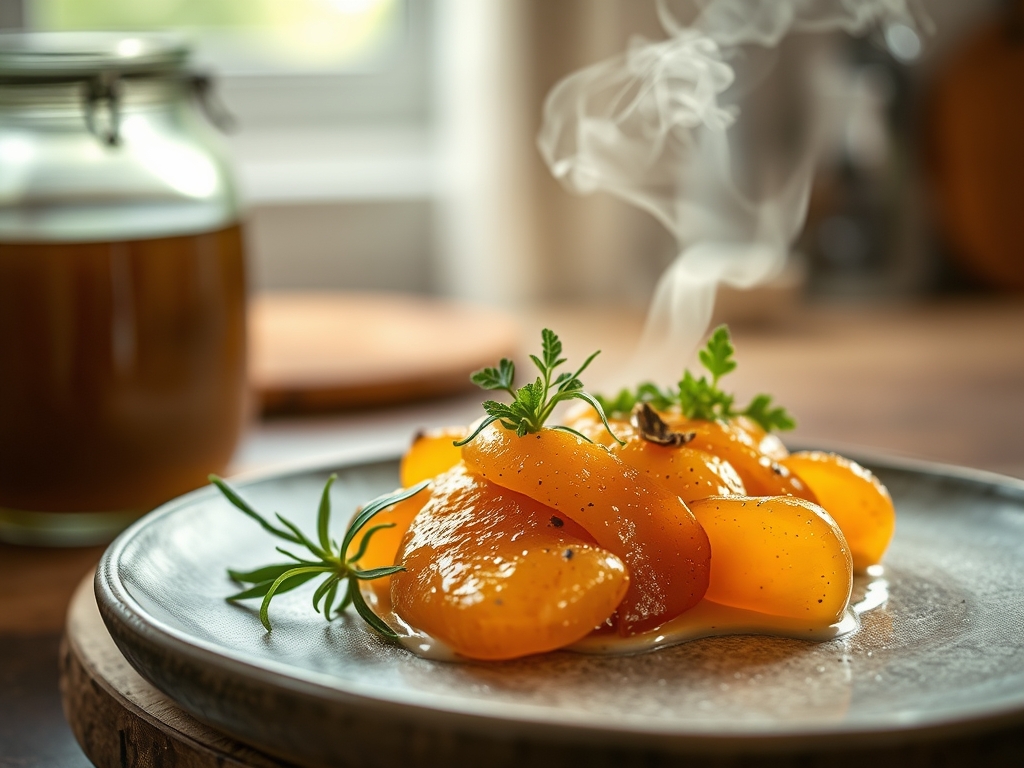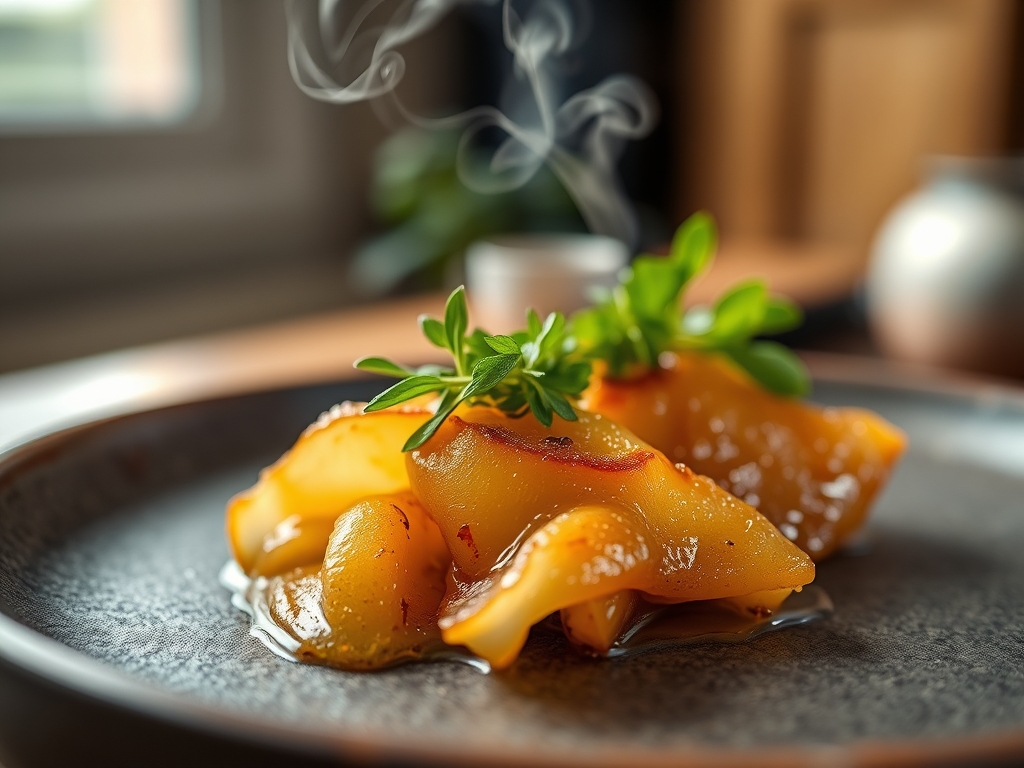
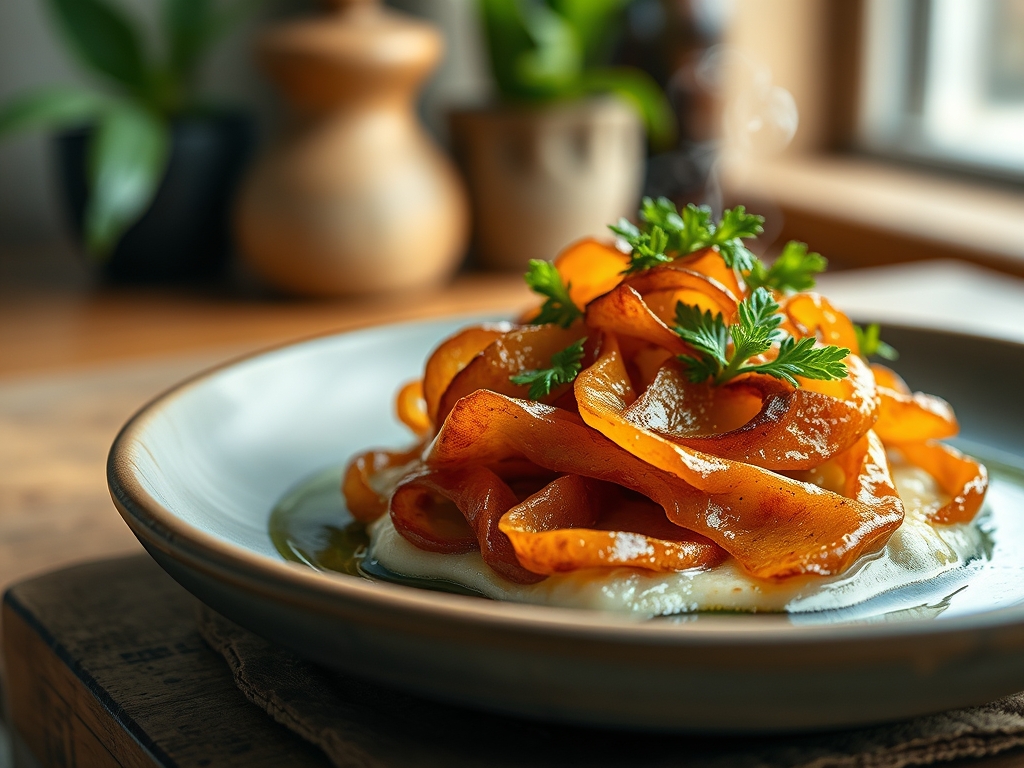
Listen to the sound of high-velocity steam escaping a pressurized bag of dehydrated legumes. It is the sound of untapped potential. We are not merely cooking; we are performing a structural intervention on the cellular architecture of the soybean. When you first handle these brittle, beige ribbons, they feel like cardboard fragments. However, the process of Soy Curl Hydration is a transformative ritual that bridges the gap between plant biology and high-end rotisserie texture. We are targeting a specific molecular outcome where the fibrous strands absorb liquid without losing their structural integrity. Forget the mushy, uninspired tofu of yesteryear. We are aiming for a chew that rivals slow-cooked poultry. The scent of the dry curls is earthy and neutral, but once they hit a hot, seasoned bath, they begin to swell and soften into a medium that is ready to be seared, glazed, and devoured. This is the technical audit of the ultimate meat alternative, where we turn simple fiber into a culinary powerhouse through precision and heat.
THE DATA MATRIX
| Metric | Specification |
|---|---|
| Prep Time | 15 Minutes |
| Execution Time | 20 Minutes |
| Yield | 4 Servings |
| Complexity (1-10) | 4 |
| Estimated Cost per Serving | $1.85 |
THE GATHERS
Ingredient Protocol:
- 227g / 8oz Dry Soy Curls (One standard bag)
- 710ml / 3 cups Hot Vegetable Broth or "No-Chicken" Stock
- 30ml / 2 tbsp Neutral Oil (Avocado or Grapeseed)
- 15ml / 1 tbsp Dark Soy Sauce for color depth
- 5g / 1 tsp Smoked Paprika
- 3g / 0.5 tsp Garlic Powder
- 2g / 0.25 tsp Freshly Cracked Black Pepper
- 15ml / 1 tbsp Cornstarch (for surface crisping)
Section A: Ingredient Quality Audit:
If your dry curls arrive as mostly dust and small shards, your hydration will be uneven. Technical fix: Sift the bag through a wide-mesh colander to separate the "fines" from the whole strips. Use the dust as a thickener for stews later. If your broth lacks a piquant edge, the soy will taste like wet paper. Always over-season your soaking liquid; the core of the fiber must be infused with flavor before the searing process begins. If the oil has a low smoke point, you will achieve acrid soot rather than a golden crust. Stick to high-heat stable fats.
THE MASTERCLASS
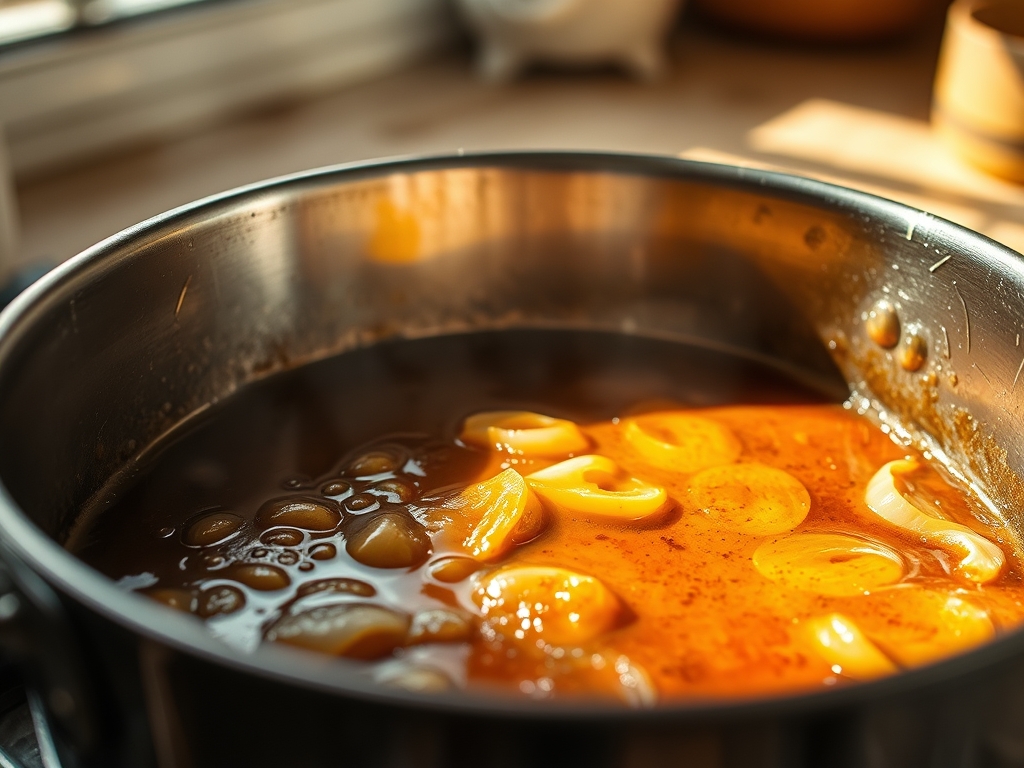
Step 1: The Osmotic Soak
Place your dry soy strips into a large stainless steel saucier or mixing bowl. Pour the scalding broth over the curls until they are fully submerged. Weight them down with a heavy plate to ensure every fiber is in contact with the liquid. Let them sit for exactly 10 minutes.
Pro Tip: This is the core of Soy Curl Hydration. Using a digital scale to measure your broth ensures you do not over-saturate the proteins, which can lead to a spongy internal texture. The heat breaks down the tight fiber bonds, allowing the seasoned liquid to penetrate the core.
Step 2: The Mechanical Extraction
Drain the curls into a colander. Once they are cool enough to handle, take small handfuls and squeeze firmly to remove excess moisture. You want them damp, not dripping. Spread them out on a clean kitchen towel and pat dry.
Pro Tip: Removing surface moisture is essential for the Maillard reaction. If the curls are too wet when they hit the pan, they will steam rather than sear. Use a bench scraper to move the curls efficiently across your work surface without tearing the delicate rehydrated fibers.
Step 3: The Surface Modification
Transfer the damp curls back to a dry bowl. Sprinkle with the cornstarch, paprika, garlic powder, and pepper. Toss vigorously until each piece has a light, dusty coating. This creates a sacrificial layer that will crisp up instantly upon contact with heat.
Pro Tip: The cornstarch acts as a moisture barrier. It absorbs the last remnants of external water, creating a starch-heavy surface that undergoes rapid dehydration in the pan, resulting in a shatter-crisp exterior.
Step 4: The High-Heat Sear
Heat your oil in a heavy cast-iron skillet until it begins to shimmer. Add the curls in a single layer. Do not crowd the pan; work in batches if necessary. Let them sit undisturbed for 3 to 4 minutes to develop a deep mahogany crust before flipping.
Pro Tip: Use an infrared thermometer to ensure your pan surface is at least 200C (400F). This temperature triggers the render of any fats and maximizes browning. A high-quality saucier or skillet with a thick base provides the thermal mass needed to prevent temperature drops when the cold soy is added.
Section B: Prep & Timing Fault-Lines:
The most common failure is the "Soggy Center." This occurs when the soaking liquid is too cold, preventing the fibers from fully expanding, or when the "Mechanical Extraction" step is skipped. If you find your curls are sticking to the pan, your heat is likely too low. The protein needs to "release" naturally from the metal once the crust has formed. If you flip too early, you will tear the structural fibers.
THE VISUAL SPECTRUM
Section C: Thermal & Visual Troubleshooting:
Referencing the Masterclass photo, look for the "Variegated Bronze" effect. You should see a spectrum of colors ranging from pale gold to deep umber. If your curls look uniform and pale, you have failed to deglaze or sear at a high enough temperature. If they look black and charred, your oil has broken down; swap to a fresh batch. The texture should look "shredded" rather than "blocked." If the edges look frayed and crispy while the center remains plump, you have achieved the gold standard of Soy Curl Hydration.
THE DEEP DIVE
Macro Nutrition Profile:
Soy curls are a nutritional powerhouse. A single serving typically provides 11g of protein and 6g of fiber with zero cholesterol. Because they are a whole-food product (the entire soybean), they retain the natural oils and lecithin found in the bean, providing a more complex mouthfeel than highly processed isolates.
Dietary Swaps:
- Vegan: Already compliant. Use a rich mushroom dashi for extra umami.
- Keto: Replace cornstarch with a light dusting of almond flour or omit entirely for a softer texture.
- GF: Ensure your soy sauce is substituted with Tamari or liquid aminos.
Meal Prep & Reheating Science:
To maintain the molecular structure during reheating, avoid the microwave. The microwave agitates water molecules, which can make the hydrated fibers rubbery. Instead, re-sear them in a hot pan with a teaspoon of oil to crisp the exterior while keeping the interior moist.
THE KITCHEN TABLE
Why are my soy curls still chewy after soaking?
You likely used lukewarm water. The hydration process requires high thermal energy to penetrate the dense soy fibers. Use boiling or near-boiling broth to ensure the core softens completely within the ten-minute window.
Can I hydrate them in plain water?
Technically yes, but it is a missed opportunity. Soy is a blank canvas. By using a seasoned broth, you infuse flavor into the very center of the protein, ensuring every bite is savory rather than bland.
How long do they last in the fridge?
Once hydrated and seared, they stay fresh for up to 5 days. The structure holds up remarkably well, making them a premier choice for meal prep. Just ensure they are stored in an airtight container to prevent dehydration.
Do I have to squeeze them out?
Yes. If you do not remove the excess "internal" water, the curls will boil in the pan. Squeezing creates room for the searing oil to interact with the protein, which is vital for a meat-like texture.