The scent of a successful fermentation is not merely a smell; it is a biological announcement. When you crack the seal on a properly aged crock, you are greeted by a piquant aroma that signals a battlefield victory. We are talking about the Kimchi Probiotic Load, a massive cellular army of Leuconostoc and Lactobacillus species that have spent weeks converting simple sugars into lactic acid and carbon dioxide. This is culinary infrastructure at its most primal level. You are not just making a side dish; you are building a pressurized, self-sustaining ecosystem. The crunch of the Napa cabbage must remain structural while the brine becomes viscous and deeply infused with the heat of gochugaru. If your ferment lacks that signature effervescence, your microbial colony is underperforming. We do not tolerate weak ferments here. We demand a high-density Kimchi Probiotic Load that transforms raw, fibrous cellulose into a functional superfood. Prepare your workspace; we are about to engineer a masterpiece of spicy, fermented architecture.
THE DATA MATRIX
| Metric | Specification |
|---|---|
| Prep Time | 90 Minutes |
| Execution Time | 7 to 14 Days (Fermentation) |
| Yield | 2.5 Liters / 10.5 Cups |
| Complexity (1-10) | 7 |
| Estimated Cost per Serving | $0.45 |
THE GATHERS
Ingredient Protocol:
- 2.5kg / 5.5lbs Napa Cabbage (Large heads)
- 150g / 5.3oz Coarse Sea Salt (Non-iodized)
- 500ml / 2.1 cups Filtered Water
- 30g / 1.1oz Glutinous Rice Flour
- 200g / 7oz Gochugaru (Korean Red Chili Flakes)
- 120ml / 0.5 cup Fish Sauce (Premium Grade)
- 50g / 1.8oz Salted Shrimp (Saeu-jeot), finely minced
- 100g / 3.5oz Garlic, minced
- 20g / 0.7oz Ginger, grated
- 1 medium White Onion, pureed
- 250g / 8.8oz Korean Radish (Mu), julienned
- 100g / 3.5oz Scallions, cut into 2-inch lengths
Section A: Ingredient Quality Audit:
The most common failure point in high-load fermentation is the salt. If you use table salt containing iodine or anti-caking agents, you will effectively poison your microbial workforce. Iodine is antimicrobial; it kills the very Lactobacilli we are trying to cultivate. Always verify your salt is pure sodium chloride. Secondly, if your cabbage feels soft or "rubbery" before you even start, the cellular walls are already collapsing. This leads to a mushy final product. To fix this, soak the cabbage in ice-cold filtered water for 30 minutes to restore turgor pressure before salting. Finally, ensure your gochugaru is vibrant red. If it looks brown, it has oxidized, and the flavor will be bitter rather than piquant.
THE MASTERCLASS
Step 1: The Osmotic Breakdown
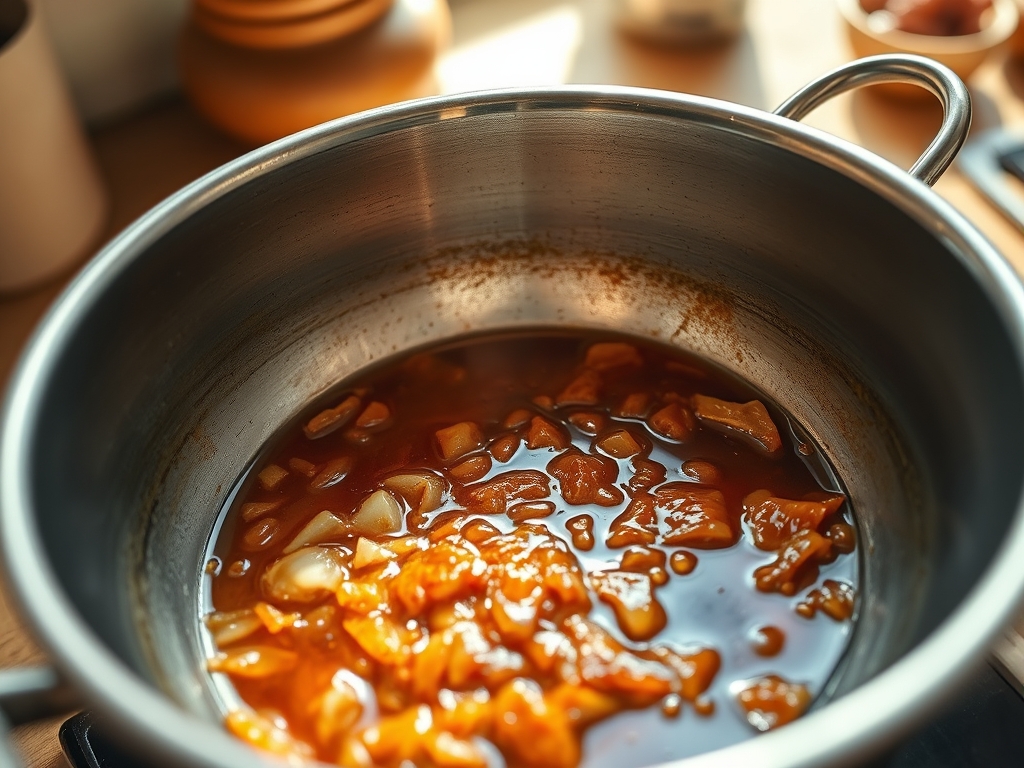
Quarter the cabbage lengthwise and submerge each leaf in a salt bath, focusing heavily on the thicker white cores. Let this sit for 2 to 4 hours, flipping every 30 minutes. You are looking for the "bend test" where the thickest part of the leaf can touch its base without snapping.
Pro Tip: Use a high-capacity digital scale to ensure your salt-to-water ratio is exactly 6% by weight. This precision ensures the Kimchi Probiotic Load thrives while pathogenic bacteria are inhibited by the salinity.
Step 2: The Starch Porridge
In a small saucier, whisk the glutinous rice flour into the filtered water over medium heat. Stir constantly until the mixture becomes translucent and viscous. Remove from heat and stir in a tablespoon of sugar to provide an immediate glucose spike for the bacteria.
Pro Tip: This porridge acts as a substrate, allowing the spice paste to adhere to the slick cabbage leaves. Without this glue, your seasoning will slide off, leaving the vegetables under-seasoned.
Step 3: The Aromatic Infusion
Combine the cooled rice paste with gochugaru, garlic, ginger, onion puree, fish sauce, and salted shrimp in a large stainless steel mixing bowl. Use a bench scraper to ensure every gram of paste is incorporated. Fold in the radish and scallions.
Pro Tip: Wear nitrile gloves during this stage. The capsaicin in the gochugaru can cause chemical burns on sensitive skin over long periods of exposure.
Step 4: The Structural Assembly
Rinse the salted cabbage three times in cold water to remove excess sodium. Squeeze firmly to remove internal moisture. Spread the spice paste onto every single leaf, ensuring total coverage. Pack the cabbage tightly into a fermentation crock or glass jar, pressing down firmly to eliminate air pockets.
Pro Tip: Use a digital thermometer to ensure your kitchen is between 18C and 22C (65F to 72F). This is the "Goldilocks Zone" for initial bacterial colonization.
Step 5: The Succession Phase
Leave the jar at room temperature for 24 to 48 hours until small bubbles begin to form. Once the brine tastes slightly sour and carbonated, move it to the refrigerator. The cold slows the fermentation, allowing complex flavors to develop over the next two weeks.
Pro Tip: Do not fill the jar to the brim. Leave at least two inches of headspace to allow for the expansion of gases produced by the Kimchi Probiotic Load.
Section B: Prep & Timing Fault-Lines:
Temperature is the primary variable you must control. If your kitchen is too hot (above 25C), the fermentation will happen too fast, resulting in a "fizzy" but mushy cabbage that lacks depth. If this happens, move the kimchi to the fridge immediately to stabilize the structure. Conversely, if it is too cold, the bacteria will remain dormant. You can jumpstart a cold ferment by placing the jar near a pilot light or on top of a refrigerator where ambient motor heat provides a slight lift.
THE VISUAL SPECTRUM
Section C: Thermal & Visual Troubleshooting:
In the Masterclass photo, you will notice the vibrant, saturated crimson of the paste against the translucent white of the cabbage ribs. This contrast is the hallmark of a fresh, high-activity ferment. If your kimchi appears dull or grey, it suggests oxygen exposure. Ensure the cabbage is always submerged under the brine; use a fermentation weight if necessary. If you see white spots on the surface, do not panic. This is usually "Kahm Yeast," which is harmless but can affect flavor. Scrape it off and ensure the seal is airtight. If you see colorful mold (black, green, or orange), the batch is compromised; discard it and sanitize your equipment with a bleach solution.
THE DEEP DIVE
Macro Nutrition Profile:
Kimchi is a low-calorie, high-fiber powerhouse. A 100g serving typically contains 35 calories, 2g of protein, 0.5g of fat, and 7g of carbohydrates. However, the real value lies in the micronutrients; it is exceptionally high in Vitamin K, Vitamin C, and Riboflavin.
Dietary Swaps:
- Vegan: Replace the fish sauce and salted shrimp with a mixture of soy sauce and kelp powder. This maintains the umami profile without animal products.
- Keto: Omit the sugar in the rice porridge. The natural sugars in the cabbage and radish are sufficient to fuel the Kimchi Probiotic Load.
- GF: This recipe is naturally gluten-free, provided you use certified glutinous rice flour (which is a misnomer, as it contains no gluten).
Meal Prep & Reheating Science:
To maintain the molecular structure and probiotic benefits, never boil kimchi. If adding it to a stew (Kimchi Jjigae), add a portion of "raw" fermented kimchi at the very end of the cooking process. This ensures you retain the live cultures while enjoying the deep, rendered flavors of the cooked cabbage.
THE KITCHEN TABLE
How do I know if the probiotic load is high?
Look for active bubbling and a sharp, tangy scent. A high Kimchi Probiotic Load creates a natural effervescence on the tongue, similar to a carbonated beverage. This indicates the bacteria are actively processing sugars.
Why is my kimchi brine so thin?
This usually happens if you did not salt the cabbage long enough. If the cabbage does not release its internal water during the "salting phase," it will release it later in the jar, diluting your spice paste.
Can I use red pepper flakes instead of gochugaru?
No. Standard red pepper flakes are often roasted and contain seeds, making them too spicy and oily. Gochugaru is sun-dried and seedless, providing the correct color, texture, and smoky-sweet flavor profile required for authentic fermentation.
Is the "fishy" smell normal?
Yes. In the early stages, the fish sauce and shrimp are prominent. As the Kimchi Probiotic Load increases, the lactic acid will neutralize these aromas, transforming them into a complex, savory umami that defines aged kimchi.