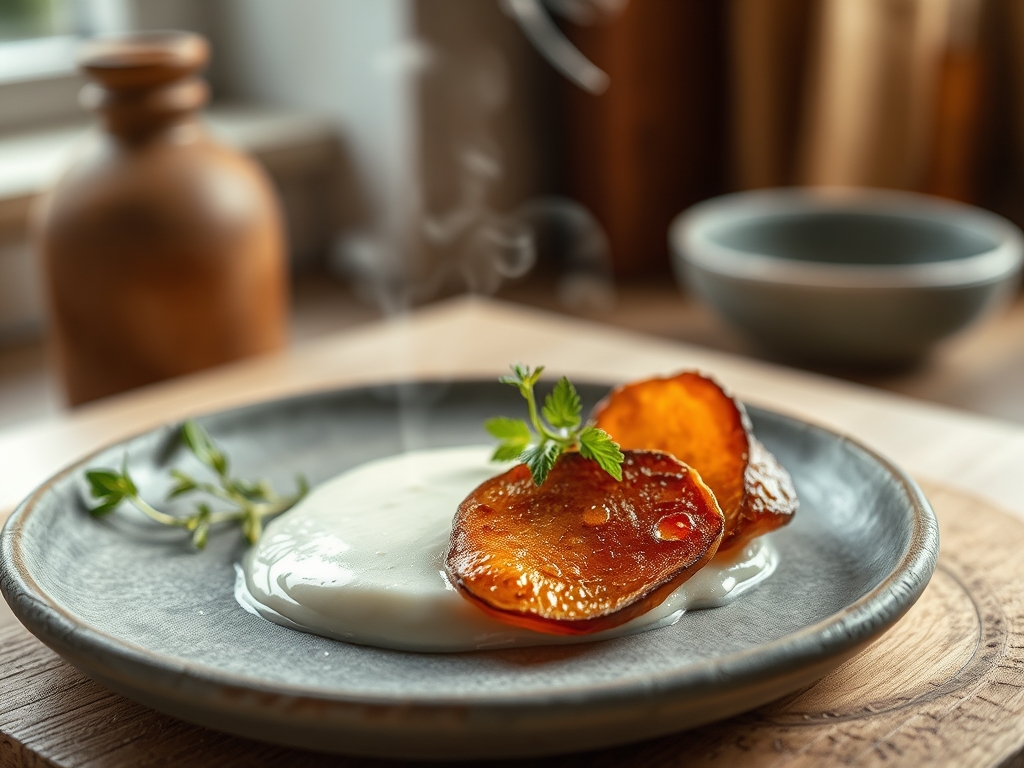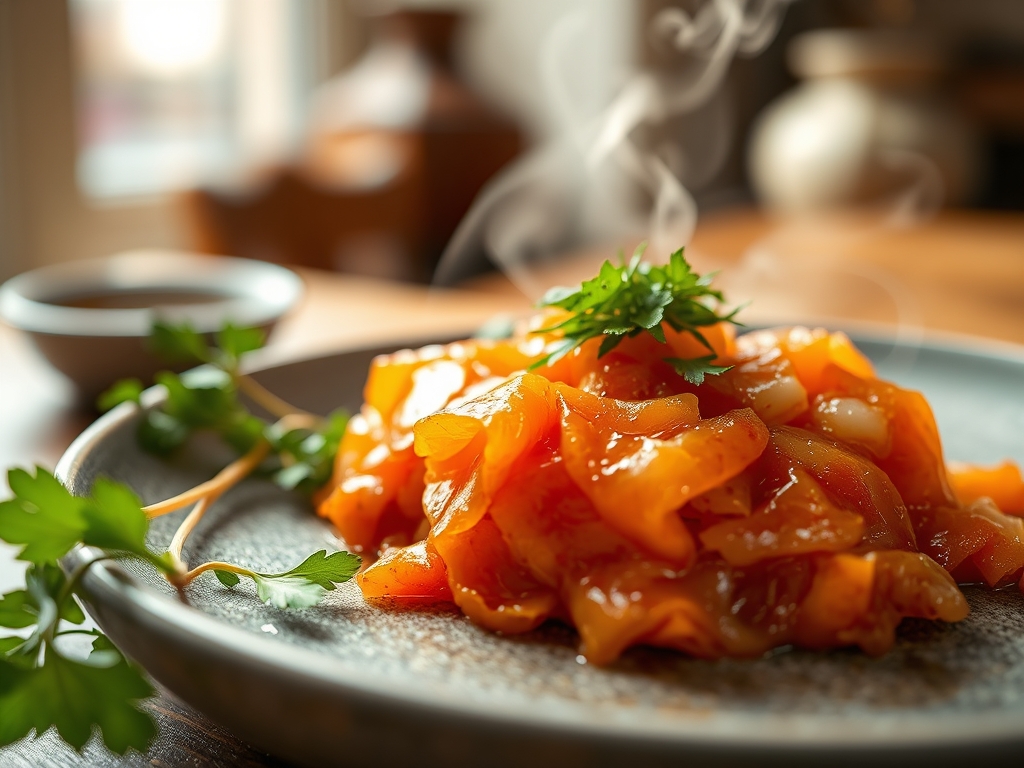
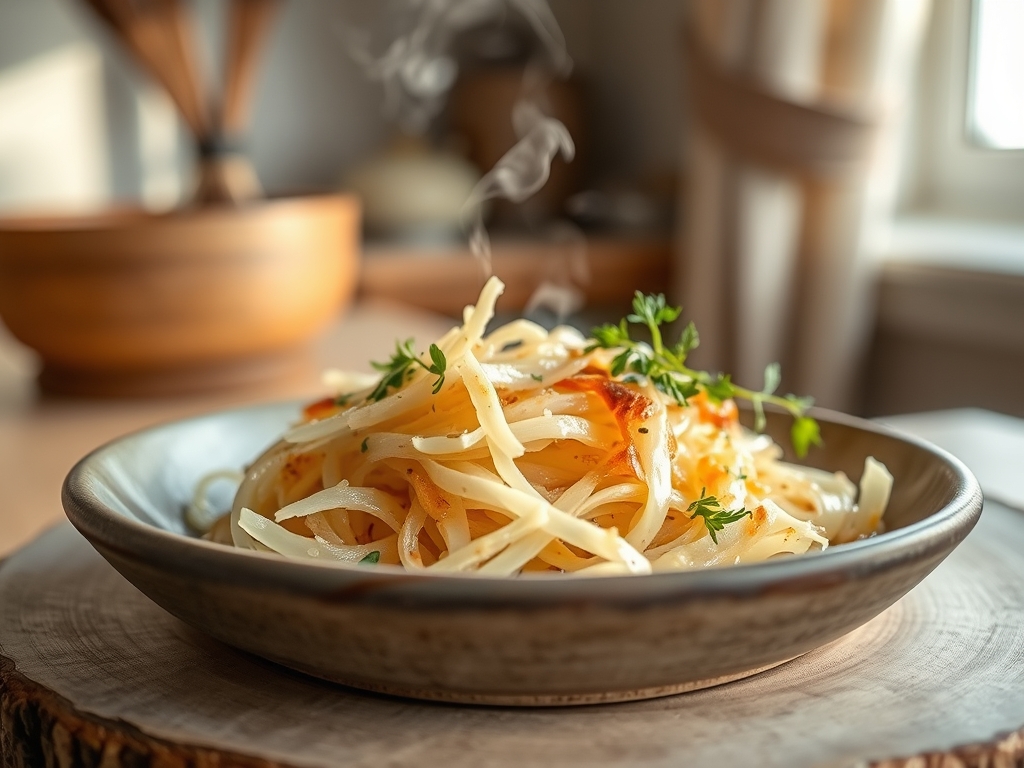
Forget everything you know about soggy, shelf-stable canned greens. We are entering the realm of biological warfare where the only casualty is the pathogenic bacteria trying to ruin your gut health. This is the raw power of the brine; a masterclass in cellular breakdown and the glorious rise of Sauerkraut Lactic Acid. When you slice into a dense head of cabbage, you are not just prepping a side dish. You are initiating a chemical coup. You are deploying salt to rupture cell walls, forcing the release of internal fluids to create a self-sustaining ecosystem. Within forty-eight hours, the Lactobacillus microbes wake up and begin their relentless feast on vegetable sugars. The result is a sharp, piquant transformation that vibrates on the tongue. This is high-stakes culinary infrastructure. If your salinity is off, you invite mold. If your temperature fluctuates, you get mush. But when you balance the variables correctly, you produce a crunch that echoes and a tang that defines the very essence of fermentation. Let us audit your technique and build a jar of gold.
THE DATA MATRIX
| Metric | Specification |
|---|---|
| Prep Time | 45 Minutes |
| Execution Time | 14 to 21 Days |
| Yield | 1.89 Liters / 2 Quarts |
| Complexity | 4 / 10 |
| Estimated Cost per Serving | $0.12 USD |
THE GATHERS
Ingredient Protocol:
- Green Cabbage (Core Removed): 2.27 kg / 5 lbs
- Non-Iodized Sea Salt: 45 g / 3 tbsp
- Caraway Seeds (Optional): 4 g / 1 tbsp
- Filtered Water (Emergency Brine): 250 ml / 1 cup
- Juniper Berries: 2 g / 1 tsp
Section A: Ingredient Quality Audit:
The primary failure point in fermentation is the raw material. If your cabbage is lackluster, your Sauerkraut Lactic Acid production will stall. Avoid heads that feel light or hollow; these lack the moisture content required to create a natural brine. If you use table salt containing anti-caking agents or iodine, you will stall the microbial growth and end up with a grey, unappealing mess.
Technical Fix: Always use a digital scale for salt calculation. You are aiming for exactly 2% salinity by weight. If your cabbage is older and "dry," do not just add more salt. Instead, prepare a 2% saline solution (20g salt per 1 liter of water) to top off the jar. This ensures the cabbage remains submerged in an anaerobic environment, preventing the growth of Kahm yeast or surface mold.
THE MASTERCLASS
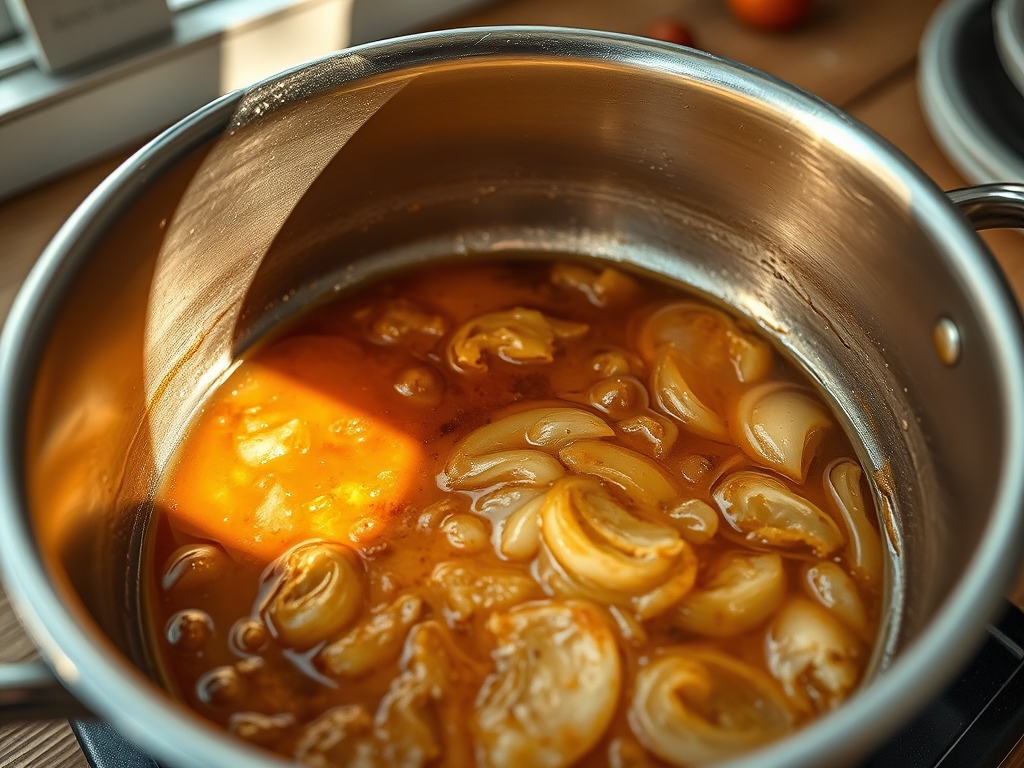
Step 1: The Precision Shred
Utilize a sharp chef knife or a professional mandoline to reduce the cabbage into fine ribbons. Aim for a thickness of 2mm. Consistency is not just for aesthetics; uniform surface area ensures even salt penetration and a predictable rate of fermentation.
Pro Tip: Use a bench scraper to efficiently move your shredded cabbage into a large stainless steel mixing bowl. The science here is surface area. Smaller shreds allow the salt to draw out moisture via osmosis much faster, accelerating the creation of your brine.
Step 2: The Mechanical Maceration
Sprinkle your weighed salt over the cabbage. Use your hands to aggressively massage and squeeze the greens. You are physically rupturing the cellulose structures to release the intracellular water. Continue until the cabbage looks translucent and a pool of liquid collects at the bottom of the bowl.
Pro Tip: If your hands tire, use a wooden kraut pounder or a heavy tamper. This mechanical stress is essential to render the liquid from the plant fibers, ensuring the Sauerkraut Lactic Acid has a liquid medium to move through as the bacteria proliferate.
Step 3: The Anaerobic Pack
Transfer the cabbage into a sterilized glass crock or wide-mouth mason jar. Pack it down with extreme force. You want to eliminate all oxygen pockets. The liquid should rise above the level of the cabbage.
Pro Tip: Use a digital scale to weigh down the cabbage with a glass fermentation weight. If oxygen touches the cabbage, aerobic bacteria will cause rot. By keeping it submerged, you ensure the Lactobacillus can infuse the cabbage with acid in a protected, oxygen-free zone.
Step 4: The Fermentation Vigil
Place the jar in a cool, dark spot (18 to 22 degrees Celsius). During the first 72 hours, "burp" the jar daily to release carbon dioxide buildup, or use an airlock lid. Monitor the bubbling activity, which signals that the microbes are actively converting sugars into acid.
Pro Tip: Use a pH meter or litmus strips to audit your progress. You are looking for a drop below 4.6 pH within the first few days. This acidity is the safety "kill step" that prevents spoilage and gives the kraut its signature piquant bite.
Section B: Prep & Timing Fault-Lines:
The most common human error is impatience. If you move the jar to the refrigerator too early, the Sauerkraut Lactic Acid profile will be thin and one-dimensional. Conversely, if the room is too hot (above 25 degrees Celsius), the fermentation happens too fast, leading to soft, mushy cabbage.
Technical Fix: Use a fermentation calendar. Taste the brine on day seven. It should be salty and slightly tart. By day fourteen, the "funk" should be balanced by a crisp texture. If the cabbage feels slimy, the temperature was too high, allowing pectin-destroying enzymes to take over. Keep your fermentation zone stable and shielded from direct UV light.
THE VISUAL SPECTRUM
Section C: Thermal & Visual Troubleshooting:
Look at the Masterclass photo above. Notice the vibrant, translucent glow of the cabbage. It should not look "cooked" or browned. If your kraut is turning brown, it is likely oxidation from being exposed to air. If the brine looks cloudy, do not panic; that is a sign of healthy microbial activity.
Visual Cues:
- Vibrant White/Pale Green: Perfect. The acid has preserved the natural pigments.
- Pink Tint: This often indicates a specific type of yeast growth, usually caused by uneven salting. It is generally harmless but indicates a flaw in your mixing protocol.
- Dark Grey/Black: Immediate discard. This is a sign of mold or metal contamination from a non-reactive bowl.
- Bubbles: Active carbon dioxide production is the visual "heartbeat" of your ferment.
THE DEEP DIVE
Macro Nutrition Profile:
Per 100g serving, sauerkraut is a nutritional powerhouse with approximately 19 calories, 0g fat, 4g carbohydrates (2g fiber), and 1g protein. Its true value lies in the billions of CFU (Colony Forming Units) of probiotics and high Vitamin C content.
Dietary Swaps:
- Vegan/Keto/GF: Sauerkraut is naturally all three. To add depth without calories, infuse the brine with mustard seeds, shredded carrots, or ginger.
- Low Sodium: While salt is required for safety, you can reduce it slightly if you use a starter culture to jumpstart the Sauerkraut Lactic Acid production.
Meal Prep & Reheating Science:
Never boil your sauerkraut. High heat (above 46 degrees Celsius) will kill the live probiotics, turning your functional food into mere fiber. To maintain the molecular structure and probiotic integrity, fold the kraut into warm dishes just before serving or eat it chilled as a garnish.
THE KITCHEN TABLE
Why is my sauerkraut soft instead of crunchy?
Softness usually stems from high temperatures or insufficient salt. The salt keeps the pectins in the cell walls firm. Ensure you are fermenting in a cool environment and using exactly 2% salt by weight to maintain structural integrity.
There is a white film on top of my brine. Is it mold?
If it is flat, white, and translucent, it is likely Kahm yeast. It is harmless but can affect flavor. Carefully skim it off. If the growth is fuzzy, green, or black, that is mold; discard the entire batch immediately.
Does the type of cabbage matter?
Late-season, dense heads of green cabbage are superior. They have higher sugar content and lower water volume than early-spring varieties, providing more fuel for the Sauerkraut Lactic Acid bacteria and resulting in a much better "crunch" factor.
How long will it stay fresh in the fridge?
Once moved to cold storage, the fermentation slows to a crawl. Your kraut will remain technically safe and delicious for 6 to 12 months, provided it stays submerged in its own protective, acidic brine.