Imagine the sharp, crystalline snap of a premium hydration profile hitting your palate with the force of a high-pressure jet. We are moving beyond the sugary, neon-colored sludge of the supermarket aisles. We are entering the realm of Coconut Water Isotonics; a space where fluid dynamics and cellular osmosis dictate the success of your recovery. The air smells of crushed lime zest and the saline tang of unrefined sea salt. This is not just a drink. It is a biological recalibration. When you consume a perfectly balanced isotonic solution, you are essentially performing a software update on your nervous system. The coconut water provides a viscous, mineral-rich base that carries electrolytes directly to the cellular gatekeepers. It is crisp, slightly nutty, and carries a piquant citrus finish that cuts through the natural sweetness of the fruit. This is the gold standard of natural hydration. We are auditing your current fluid intake and replacing it with a high-performance formula designed for peak physiological output. Prepare for total equilibrium.
THE DATA MATRIX
| Metric | Specification |
|---|---|
| Prep Time | 8 Minutes |
| Execution Time | 2 Minutes |
| Yield | 1 Liter / 4 Servings |
| Complexity (1-10) | 2 |
| Estimated Cost per Serving | $1.15 |
THE GATHERS
Ingredient Protocol:
- 1000ml / 4 cups Young Green Coconut Water (Fresh or high-quality bottled)
- 250ml / 1 cup Filtered Alkaline Water
- 60ml / 4 tbsp Freshly Squeezed Lime Juice
- 2g / 1/2 tsp Unrefined Pink Himalayan Salt
- 15ml / 1 tbsp Raw Organic Honey or Agave Nectar
- 5g / 1 tsp Freshly Grated Ginger Root (Optional for anti-inflammatory boost)
- 4-6 Large Ice Spheres (To maintain thermal stability)
Section A: Ingredient Quality Audit:
If your coconut water tastes metallic or overly sweet, you have likely purchased a product that was pasteurized at excessively high temperatures or contains added sugars. This compromises the enzymatic integrity of the liquid. To fix this, look for "cold-pressed" or "HPP" (High-Pressure Processing) labels which preserve the delicate electrolyte balance. If your lime juice lacks that bright, acidic punch, it is likely oxidized. Always zest the fruit before juicing to release the essential oils. If your honey has crystallized, do not microwave it; instead, place the jar in a warm water bath to gently infuse the sugars back into a liquid state without destroying the beneficial enzymes.
THE MASTERCLASS
Step 1: The Base Calibration
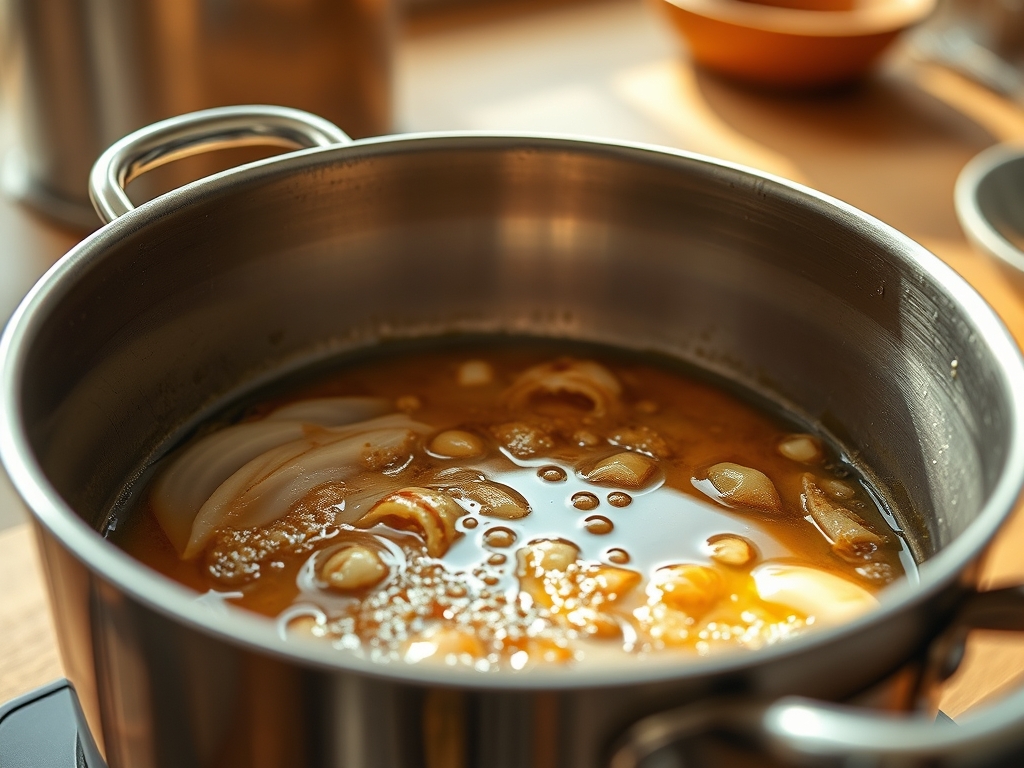
Begin by pouring your chilled coconut water into a high-capacity glass carafe or a professional saucier if you are preparing a warm infusion. Using a digital scale, measure your alkaline water and combine the two liquids. This dilution is critical to achieving an isotonic state; where the concentration of dissolved particles matches the concentration of your blood.
Pro Tip: The science of osmolality suggests that a 6 to 8 percent carbohydrate solution is ideal for rapid gastric emptying. By diluting the coconut water slightly, you ensure the fluid exits the stomach faster and enters the bloodstream with minimal delay.
Step 2: Electrolyte and Acid Integration
Add your freshly squeezed lime juice and the Himalayan salt. Use a microplane to grate the ginger directly into the liquid if you are opting for the inflammatory audit. The salt provides the sodium necessary to trigger the glucose-sodium transport mechanism in the small intestine.
Pro Tip: Sodium is the "key" that opens the cellular locks for water. Without it, you are simply rinsing your kidneys rather than hydrating your tissues. Using a whisk or a handheld milk frother can help aerate the mixture, ensuring the salt crystals are fully dissolved.
Step 3: Sweetener Emulsification
Introduce the honey or agave. Because raw honey is thick, it requires mechanical force to fully integrate into a cold liquid. Use a small offset spatula or a high-speed blender on the lowest setting for ten seconds to achieve a perfectly homogenous mixture.
Pro Tip: Honey contains a blend of fructose and glucose. This dual-source carbohydrate approach utilizes different transporters in the gut, allowing for higher total energy uptake without causing GI distress.
Step 4: Thermal Stabilization and Service
Drop in your ice spheres. Standard ice cubes have too much surface area and melt too quickly, which will deglaze the intensity of your isotonic profile. Large spheres maintain the temperature at a crisp 4 degrees Celsius without significant dilution.
Pro Tip: Professional bartenders use clear ice because it lacks the air bubbles that cause rapid melting. Use a bench scraper to clear any excess frost from your glassware before pouring for a pristine aesthetic.
Section B: Prep & Timing Fault-Lines:
The biggest failure in isotonic preparation is temperature mismanagement. If the liquid is too cold, it can cause the stomach to cramp; if it is too warm, the viscous mouthfeel becomes unappealing. Aim for "cellar temperature" if consuming during intense exercise. Furthermore, if you prep this more than 24 hours in advance, the vitamin C in the lime juice will begin to degrade. Always add your citrus at the "T-minus zero" mark for maximum antioxidant impact.
THE VISUAL SPECTRUM
Section C: Thermal & Visual Troubleshooting:
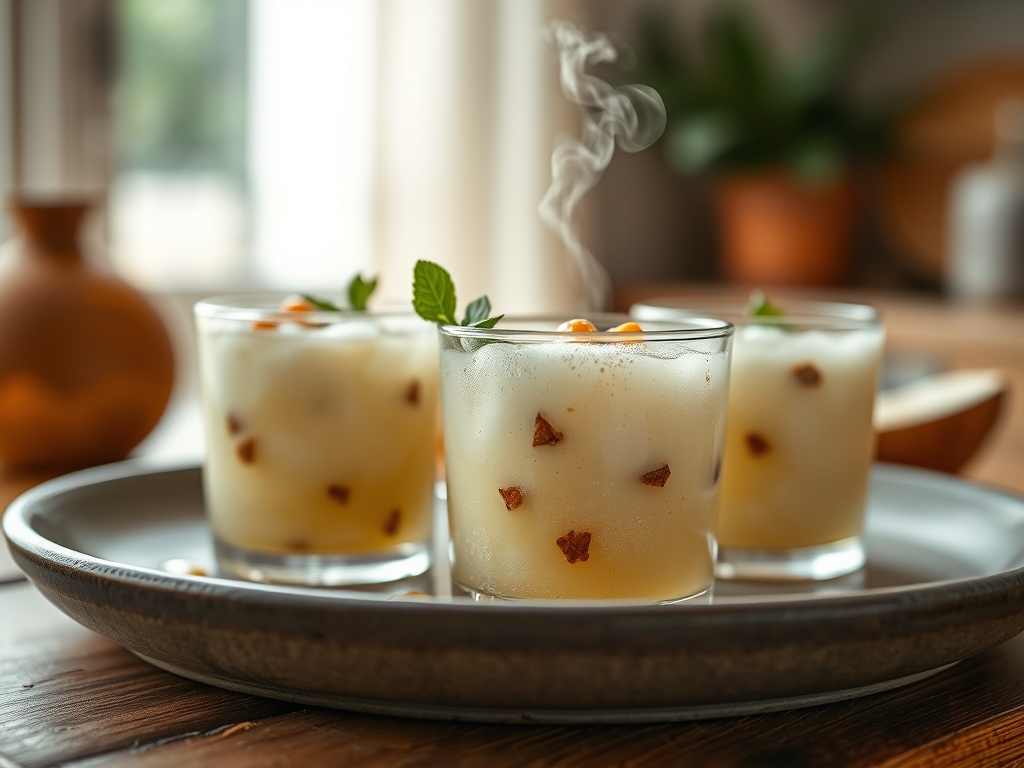
Referencing the Masterclass photo, your final product should exhibit a translucent, opalescent quality. If the liquid appears cloudy or "milky," your coconut water may have begun to ferment; discard it immediately. If the salt has settled at the bottom, your emulsification was insufficient. You should see tiny, suspended particulates of lime pulp and ginger if used; these provide a rustic, artisanal visual cue that the drink is fresh. If the color is dull or yellowish, your lime juice was likely old. A vibrant, pale green tint is the hallmark of a high-quality audit.
THE DEEP DIVE
Macro Nutrition Profile:
Per 250ml serving: 45 Calories, 0g Fat, 11g Carbohydrates (9g Sugars), 0.5g Protein. Sodium: 180mg. Potassium: 470mg. Magnesium: 25mg. This ratio is specifically engineered to mirror the electrolyte loss found in human sweat.
Dietary Swaps:
- Vegan: Ensure the use of agave or maple syrup instead of honey.
- Keto: Replace the honey with a few drops of liquid monk fruit or stevia. Note that this will slightly alter the osmotic pressure as glucose is a key component of isotonics.
- GF: Naturally gluten-free.
Meal Prep & Reheating Science:
While you would never "reheat" an isotonic, you can freeze this mixture into ice pops. The freezing process does not damage the minerals. However, avoid boiling the mixture, as extreme heat will render the vitamins useless and alter the delicate flavor of the coconut water. For best results, store in a vacuum-insulated stainless steel flask to maintain the molecular structure for up to 12 hours.
THE KITCHEN TABLE
Can I use canned coconut milk instead?
No. Coconut milk is an emulsion of fats and water, which is far too heavy for rapid hydration. You require the clear liquid found in the center of the nut to achieve an isotonic balance.
Why add salt to a fruit drink?
Sodium is the primary electrolyte lost through perspiration. It facilitates the absorption of water in the small intestine. Without salt, your body cannot effectively retain the fluids you are consuming during high-output activities.
How long does this stay fresh?
For peak performance, consume within 24 hours. The natural enzymes in raw coconut water are highly reactive. After 48 hours, the flavor profile will shift from piquant and fresh to sour and fermented.
Is alkaline water really necessary?
While filtered tap water works, alkaline water helps neutralize the acidity of the lime juice. This creates a smoother mouthfeel and is gentler on the stomach lining during intense physical exertion.